The post ‘I got this’: Learning to organize from my position and place appeared first on StriveTogether.
]]>I am a mother of three sons in Saint Paul, Minn. My children are 7, 10 and 17. I do not have a bachelor’s degree, so I have only secured jobs that do not require a college degree. I began working in call centers and was good at it. As I moved through corporate jobs, I gained additional skills in sales, customer service and management. I was hired for a call center position at a financial firm that required securities licensing. I passed the relevant tests and I could trade stocks, bonds and other securities, in addition to supervising colleagues.
Without much notice, I was laid off. Because of my unique skills in securities licensing and my strong work ethic, I was confident that I would get another job quickly. Unfortunately, that did not happen. After months of rejection from various companies, I was behind on rent. My landlord was empathetic and allowed my family to remain in the property for four months for free. Eventually, my family had to move out of our apartment. We started moving in with other families that provided temporary housing. Although I was grateful for the families that opened their homes to us, I worried about being a burden. I sent my two youngest boys to stay with their great aunt in Chicago while I tried to pull things back together.
My family was homeless for a few weeks. I was embarrassed to tell my children’s school about our situation. My younger sons often showed up late and sometimes had to borrow uniforms from the school. When I finally told the school about our living situation, Elder Joanne, a staff member of the school’s Center for Culture, Families and Learning, shared information about a state-sponsored rental assistance pilot program that helped families secure stable housing to support their children’s academic stability. I applied for and was accepted into it. I finally felt like my family was on solid ground. The boys were doing better emotionally and academically. I had space to think beyond meeting our immediate needs. I finally could focus on my family’s future.
Then I met Elder Pam, a long-time housing advocate and respected community leader, who introduced me to the Saint Paul Promise Neighborhood Parent Council. When I joined this group of parents who secured stable housing through the same pilot, they were advocating at the Minnesota legislature to make this a permanent program. Quickly becoming an active member, I went to weekly meetings and formed relationships with group members.
My first experience engaging leadership was speaking on a panel in front of Ramsey County service team leaders. I began developing relationships with county leaders and I was asked by policy advocates to join them for legislative visits and testify at committee hearings. As a result of my advocacy efforts, I was invited to join local and state advisory groups, including Ramsey County’s Low Income Committee and Heading Home Together: Minnesota’s 2018-2020 Action Plan to Prevent and End Homelessness. For the Low Income Committee, I serve on the Citizens Advisory Council, a group of volunteers advocating for individuals and families that need help meeting basic needs for food, shelter, clothing and medical care, because their income falls below federal poverty guidelines. I am a member of the Regional Expert Network for Heading Home Together: Minnesota, a table of public and private stakeholders responsible for executing the state’s plan to end homelessness.
Through the network I built as a volunteer parent advocate, I came across a job opportunity one day. Although I had not done community engagement in a professional capacity, I was qualified for the position based on the skills developed through my work with the Parent Council and my previous customer service jobs. I was hired as a community engagement specialist for the Science Museum of Minnesota in the Access and Equity Department. While working there, I joined and graduated from the Amherst H. Wilder Foundation’s Neighborhood Leadership Program, which helped me focus on my personal leadership journey and skills. I also joined the foundation’s Community Equity Program, where I further honed my legislative advocacy skills.
Recently, I was hired by People Serving People, a Community Equity Program policy partner and the largest and most comprehensive homeless shelter for families in Minnesota. My role as the whole family systems manager is to lead a five-year learning process and partnership to explore the problem of homelessness that overwhelmingly impacts African American and Native American families. I am also a Boards and Commissions Leadership Institute fellow at Nexus Community Partners, where I am learning about how to impact change at different levels of government. I was elected chair of my neighborhood organization, the Summit-University Planning Council. Additionally, I am a newly trained Circle Keeper, which helps me to effectively facilitate group conversations.
Now, through the Education Partnerships Coalition, a statewide network of collective impact organizations in Minnesota, I work alongside organizers from rural and urban communities to coach other parents on how to speak up for their families and teach institutional leaders how to listen to us. Through this work, I build awareness that parents do not need fancy degrees to positively change state and local systems.
From my advocacy experiences, I have learned that my community is a rich and abundant place of knowledge. The beloved ecosystem that I have built over the years has nurtured my educational growth — like my own personal college. Every little choice and every little step I took made a difference for me, my family and my community. I am in a new position and place, both figuratively and literally. I am committed to making sure other parents see and exercise their power from their position and place.
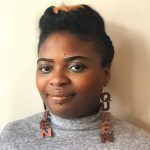 Erica Valliant is an organizer, activist and mother in Saint Paul, Minn., who works as the whole family systems manager at People Serving People. She also is a parent organizer with Education Partnerships Coalition, a grantee through the StriveTogether’s Cradle to Career Community Challenge Strategic Initiatives Fund. The coalition is comprised of Austin Aspires, Every Hand Joined, Generation Next, Growth & Justice, Northfield Promise, the Northside Achievement Zone, Partners for Student Success and the Saint Paul Promise Neighborhood.
The post ‘I got this’: Learning to organize from my position and place appeared first on StriveTogether.
]]>The post Three steps to better results in the New Year appeared first on StriveTogether.
]]>1. The ability to adapt and thrive in the face of challenge. Let’s face it — systems change and transformation is challenging work whether you’re working in one community or scaling what works across a network of nearly 70 communities. Our work requires leaders undaunted by challenging the status quo and changing narratives around economic mobility. We will define how this network holds economic mobility and, importantly, how our work puts young people on the path to economic mobility.
This will include embracing the U.S. Partnership on Mobility from Poverty’s definition of economic mobility that goes beyond attaining economic success and speaks to power and autonomy and the feeling of being valued in the community. While we have always focused on improving cradle-to-career outcomes for every child, we have grown to appreciate the power that resides with youth and families marginalized by systems designed to discount them. We can transform these systems to deliver more equitable results by working with youth and families.
2. An explicit focus on racial and ethnic equity. Racial equity is both a value we must deeply live and an outcome we must achieve to realize our vision. We will operationalize the racial and ethnic equity and inclusion that we seek to advance in nearly 70 communities across the country. Meaningful equity work requires not just change but transformation — a thorough shift in organizational practices, norms, culture and composition, from hiring and recruitment to daily management. This work is hard, messy and complex. It requires healing, reconciliation and commitment. Our resolve comes from the simple belief that every child has value and promise.
Leaders must have the courage to disaggregate data to consider race, ethnicity and gender to inform strategies, drive accountability and engage in tough conversations. While talking about race and ethnicity can be emotionally charged, we have to get comfortable having uncomfortable conversations about the systemic racism underpinning the systems we need to transform.
3. A willingness to collaborate with others, importantly the youth and families most impacted by our work. This speaks again to recognizing the power and authority that resides in the community. Leaders must go beyond listening to community members to validate factors and hone strategies. Leaders must work with affected youth and families by bringing them to the table to develop strategies for closing gaps and creating opportunities. We have called out communication and community engagement as one of the critical capacities needed to transform systems, and we will continue to support our network members in their efforts to more authentically engage and activate community in the work.
So, I extend my deepest appreciation and solidarity to leaders across the Cradle to Career Network. Every time you challenge the status quo, have uncomfortable conversations and disrupt systems in your community, you are taking critical steps toward our shared goal of putting every child on a pathway toward success. You are vital to a movement that is impacting the lives of 13 million kids and counting. The road ahead is long, but this Network is unstoppable.
The post Three steps to better results in the New Year appeared first on StriveTogether.
]]>The post Thrive Chicago earns national designation for youth-centered work appeared first on StriveTogether.
]]>Here are a few examples of how Thrive Chicago has partnered across the city to change systems:
Supporting youth to connect to opportunities
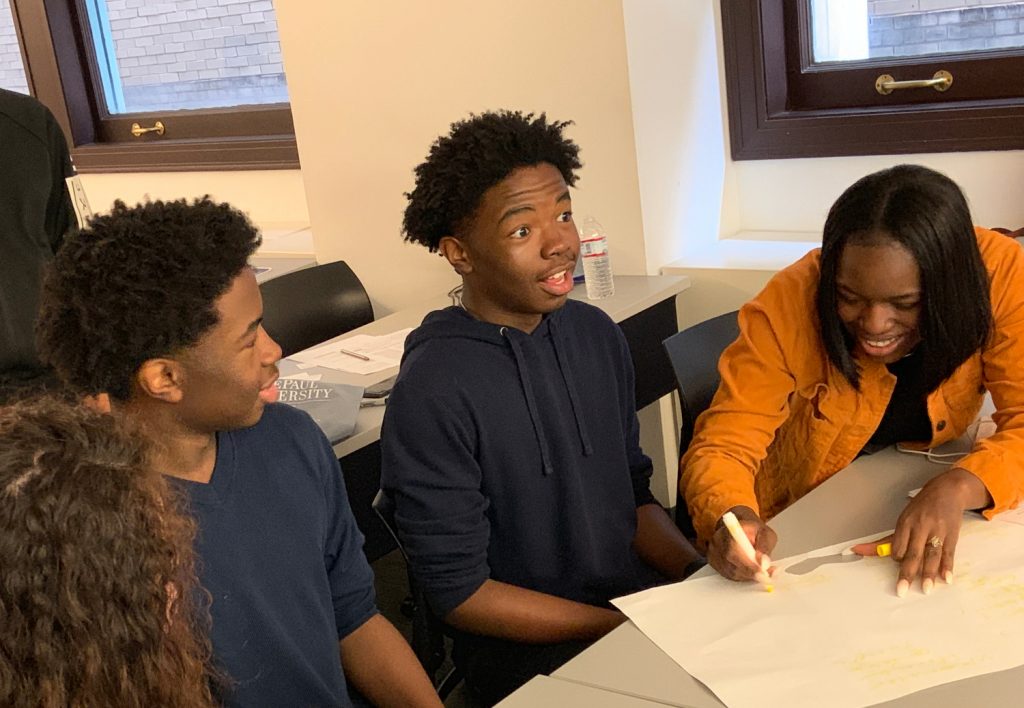 Thrive uses collective impact to unite partners around supporting youth aged 16-24 who are disconnected from work and school, called opportunity youth.
- Thrive convenes the Opportunity Youth Working Group, which used data to shift the City of Chicago’s understanding of opportunity youth. While the public narrative often associates opportunity youth with violence and men of color with low levels of education, data showed that the majority of Chicago’s opportunity youth have their high school diplomas, and 48% are female.
- This data analysis helped city leaders and practitioners develop recommendations for action, created with input from opportunity youth. The recommendations spurred citywide change, including reallocation of funding, shifts in programming (e.g. programming for high school graduates and women) and a change in how providers and policy makers talk about opportunity youth.
- One recommendations launched neighborhood-based Reconnection Hubs, physical spaces designed to help young people navigate the resources they need to reconnect to the education and workforce systems. These Reconnection Hubs, led by Thrive’s direct service partners, have connected 300 opportunity youth to work or school. The City of Chicago’s Department of Family and Support Services initially invested $500,000 to launch the Hubs, which are supported by both public and private funding.
Setting high school graduates up for success
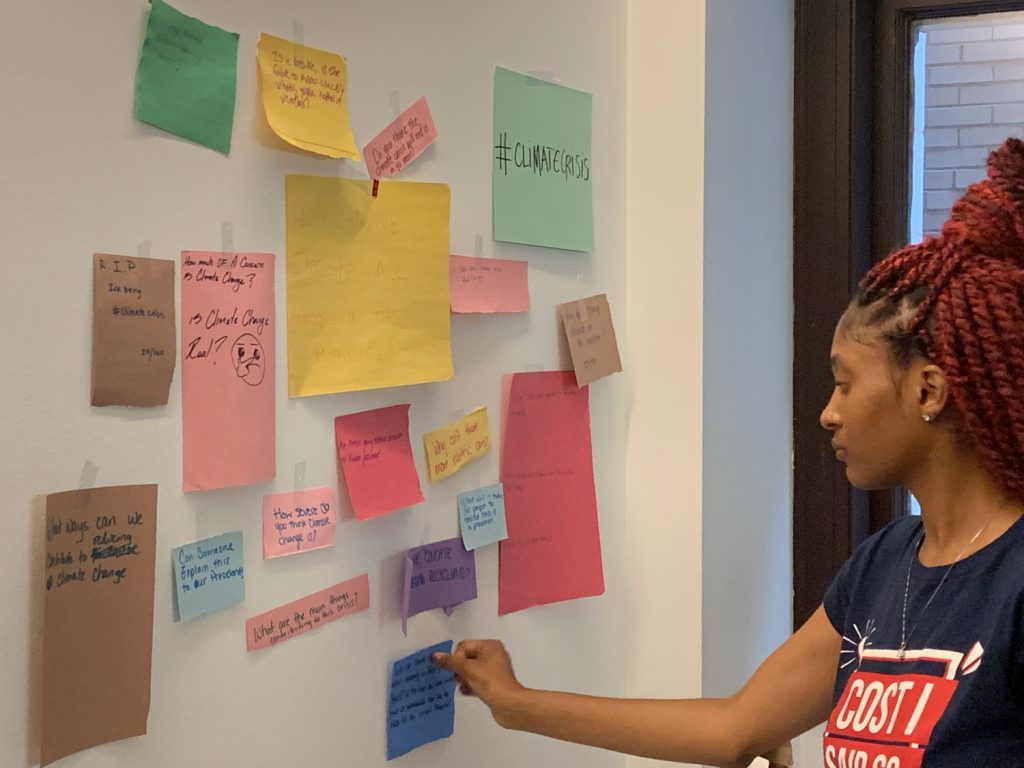 Thrive coordinates efforts to make sure that high school graduates who plan to start college have the support they need to get there.
- Every year, 5,000 high school graduates who intended to go to college do not actually enroll in college in the fall. This is called summer melt. In partnership with Chicago Public Schools and postsecondary support organizations, Thrive Chicago raised funding for and helped support a Summer Transition Coordinator strategy in 55 high schools that had the highest rates of summer melt. Coordinators helped college-bound students navigate hurdles that had the potential to prevent them from making it to their postsecondary institutions.
- After implementing the Summer Transition Coordinator strategy, 1,000 more students successfully started college. The strategy is now integrated into Chicago Public Schools’ broader postsecondary enrollment plan, with funding designated to support it.
In its work to support young people to succeed in school and beyond, Thrive Chicago has put youth at the center, working across the city to change systems. Congratulations to Thrive Chicago for reaching the proof point designation!
The post Thrive Chicago earns national designation for youth-centered work appeared first on StriveTogether.
]]>The post Boston Opportunity Agenda aligns the community for results appeared first on StriveTogether.
]]>Boston Opportunity Agenda supports community partners across Boston to change systems for youth. Now, the Cradle to Career Network member is one of 15 communities to reach an important milestone along the StriveTogether Theory of Action , earning the designation of proof point. Here are a few examples of how Boston Opportunity Agenda has influenced the way the system operates in Boston:
 Aligning on a shared vision
- With leaders from workforce development, education, philanthropy and more, Boston Opportunity Agenda developed a common definition of college, career and life readiness. Boston Public Schools is adopting the definition and is using it to make decisions, a constant even in leadership transition following a change in superintendents.
- Organizations across Boston are using the same set of measures and tools to improve outcomes for youth. The Summer Learning Community or Fifth Quarter collaborative began as a small set of funded organizations serving 232 youth but has grown in breadth and depth to a network of over 160 organizations serving over 14,000 young people.
Using data to create strategies
- Success Boston and the Summer Learning Community have seen population-level changes in their outcomes as a result of the improvements made using student-level data year over year. The work of Success Boston, the partnership’s postsecondary attainment collaborative action network, has resulted in increases in persistence, performance and progress as well as increasing the regional completion rate from 39% to 52%. These results were achieved while increasing the number of students completing high school and enrolling in postsecondary education.
- Boston After School and Beyond and Boston Public Schools developed a data sharing agreement for their collaboration, integrated with the academic school year system to allow the district and partners to track growth over the course of the entire calendar year.
- At Boston’s Bunker Hill Community College, data showed that Black and Latinx males had the lowest completion rates. The administration is now focusing on system changes to improve college completion and address that disparity. Partners are acting on this data as well. A coaching model being expanded through Boston’s Lumina Talent Hubs initiative now requires that young men of color comprise 40% of the coaching caseload. The Talent Hubs Initiative also set goals for the effort that are broken down by race.
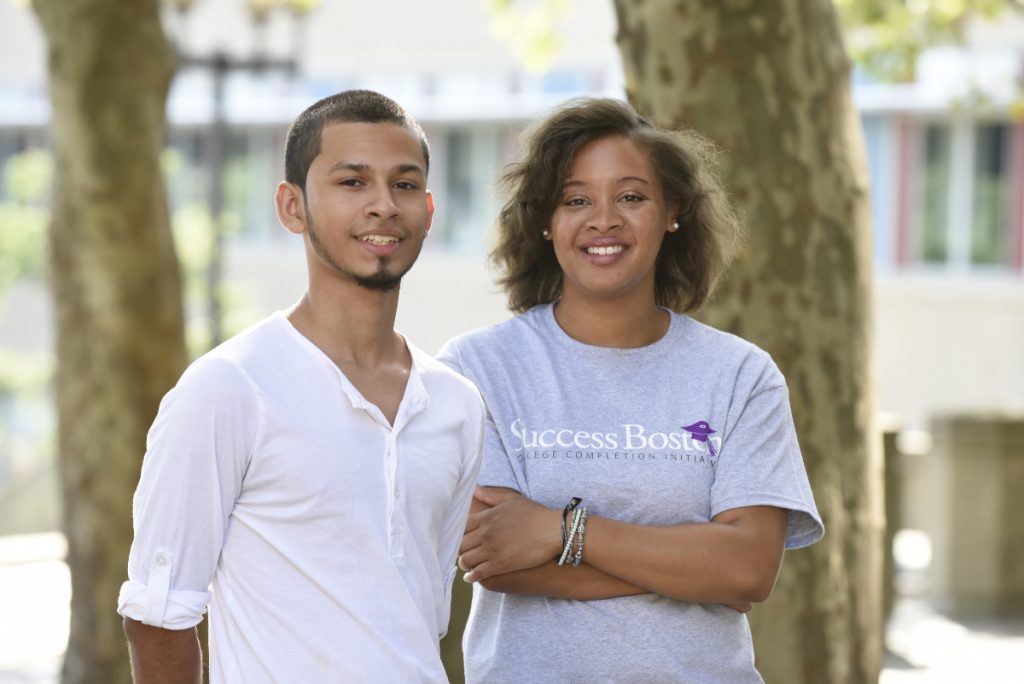
Engaging the community
- There is a clear model for local collaboration in Boston. Every action network relies on youth and family voice. Some of the strategies employed by the partnership include family engagement committees with parents and parent coordinators, parent representation at leadership tables, employing youth to gather feedback from their peers, and a student advisory council that gathers feedback to strengthen policies and practices.
- Danubia Camargos Silva, a family engagement partner, shared, “When I first started engaging with Boston Opportunity Agenda, it meant a lot that the issues I raised as the only parent in the room were taken up by the partners. They went back and took a look at the things I said. They took it very seriously and I felt that I was heard. Today, three years later, I can see for the first time on the BOA report, family engagement is an indicator. That is big. They are shining a light on family engagement that was never there before.”
Investing in what works
Across Boston, public and private funding investments advance practices that work to improve outcomes for students.
- Boston Public Schools invested $3.2 million for the Fifth Quarter summer learning initiative.
- University of Massachusetts Boston and Bunker Hill Community College have implemented the navigation coaching pioneered by Success Boston, reaching all incoming freshmen.
- Funding from the Massachusetts Department of Housing and Community Development is expanding on the lessons learned from the Connection Center pilot, connecting youth with postsecondary education programs, workforce development and employment.
Boston Opportunity Agenda’s work shows how policies, relationships, resources and power structure can shift to support students and families of color and those in low-income households. StriveTogether is excited to celebrate the community’s milestone of achieving the proof point designation.
The post Boston Opportunity Agenda aligns the community for results appeared first on StriveTogether.
]]>The post Key factors for success in collective impact appeared first on StriveTogether.
]]>The post StoryCorps: Danae Davis and Parvathi Santhosh-Kumar appeared first on StriveTogether.
]]>The post StoryCorps: Danae Davis and Parvathi Santhosh-Kumar appeared first on StriveTogether.
]]>The post The path to American renewal starts in our communities appeared first on StriveTogether.
]]>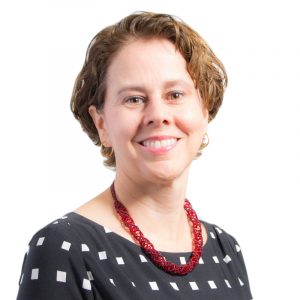 Guest post by Cecilia Muñoz, vice president for public interest technology and local initiatives at New America
One of the many lessons I learned working for President Obama comes from his insistence that cynicism is one of the biggest threats our democracy faces. We believe that the system is broken so we back away, taking our hands off of the very levers that give us the capacity to make the changes that we seek.
There may be plenty of reason for cynicism in these challenging times. But there is also plenty of reason for hope, especially if you turn your head away from the dysfunction in Washington and focus on what good people are doing all over the country to address our public problems.
Those problems are grave indeed. Recent studies from Raj Chetty’s team at Harvard tell us that 70% of Americans born in the lowest income quintile will never reach the middle class, and that African American, Latinx and Indigenous children are more likely to experience downward mobility than their white peers. Too often, solutions aimed at young people focus on only one stage of a child’s education — such as early childhood, K-12 and higher education — at the expense of their broader life experience.
But there are promising signs that skillful hands and hearts are using data and other innovative tools to drive impact in small towns and big cities across the country. For example, StriveTogether, a national network committed to supporting the success of every child, offers a framework that is generating impressive impact in nearly 70 communities. In Memphis, Tennessee, a StriveTogether community partner worked with other nonprofits and a local children’s hospital to expand the Parent as Teachers program using an evidence-based curriculum to empower parents and connect families with community resources. Early results indicate that enrollment in home visiting programs has already increased by 9%. They also recently scored a policy win by making the case to city and county government to collaboratively invest $11 million to provide about 1,400 4-year-olds living in poverty access to full-day pre-K. The approved legislation also commits to expanding the program to full enrollment over the next two years, for a total investment of $40 million.
In Salt Lake City, Utah, nonprofit leaders, teachers, business owners and other community members gathered to tackle chronic absences among students at eight local elementary schools — the success has been remarkable. In one school, absence rates dropped from 16% to 2% among a group of chronically absent first-graders over a 10-month period of targeted interventions. At another school, 7% of special education students tested above reading benchmarks — a new high. This StriveTogether community is also advocating for public policy change, which has resulted in some important strides forward for early childhood funding, including the creation of the Governor’s Early Childhood Commission.
StriveTogether’s collective impact approach is already impacting the lives of 13.7 million youth across the nation — 8.6 million of whom are children of color. In the last year alone, 59% of their partnerships reported successes in three out of the six outcomes they measure for improvement, which include kindergarten readiness; early-grade reading and middle-grade math; high school graduation; postsecondary enrollment; and postsecondary completion to getting a good job that provides economic mobility.
These successful practices offer proof that we have the tools available to solve big challenges if we use them wisely and dare to measure our results. The next big challenge is to bring these changes to scale, which will take innovative new public policies. It’s not enough to increase the number of people who get to college in a single community; we need to replicate this success throughout the country. That means translating lessons learned from these localized experiences into policies to benefit children everywhere.
I say this as a policymaker — government doesn’t have to be broken. It can deliver the results it was designed to deliver. Good people with great ideas are making it happen locally, and there’s no reason that it can’t happen at a national scale. We don’t need Washington to give us the answers; our communities already have them. We should bring those ideas to our policymakers rather than the other way around. All we need to achieve collective impact are some proven strategies and the desire to make a difference in the lives of our kids.
The post The path to American renewal starts in our communities appeared first on StriveTogether.
]]>The post Census 2020: What nonprofits need to know appeared first on StriveTogether.
]]>Why does the count matter for nonprofits and those they serve?
An undercount of African American residents in the upcoming census could mean a loss of representation and funding, including one to two congressional seats; about $1.2 billion in federal funding over 10 years; at least $12,000 to $15,000 per decade in Health and Human Services funding along for each uncounted person; and diminished availability of funds for nonprofits. Public infrastructure is also determined by census numbers. Governments and business use the data to determine where to locate schools, transit and retail outlet for communities.
To ensure all are counted and receive their fair share of economic resources, political representation and social services, three key takeaways emerged from the Chicago Urban League event.
Understand who is excluded/undercounted and the barriers that uniquely impact that group. “Sadly, of the top 10 cities with the highest of number of African Americans, Chicago ranks number 2 in percentage of African American in Hard to Count populations,” shared Butler. In addition to certain African American communities, Hard to Count populations include young children, rural residents, other communities of color, immigrants, individuals experiencing homelessness and others. Many of these communities are undercounted for multiple reasons, such as living in housing units not on the Census Bureau’s Master Address File, living in a multi-unit building or in complex households, moving frequently and experiencing language barriers.
Specific attitudinal barriers such as distrust, apathy and privacy concerns were also discussed as reasons African American communities in Chicago are undercounted. Kareem shared, “While there is apprehension among African American communities regarding census data, how it will be used, who will have access to it and concerns about the privacy of sensitive information, it is important to recognize that the degree of these barriers might be different across communities. African American communities in Chicago are not monolithic.”
Nonprofit representatives during the session recommend creating a community culture assessment or using an existing community assessment tool to uncover the unique barriers that impact different neighborhoods.
Create solutions that directly address the barriers unique to that community or neighborhood. Personalizing messages based on Hard to Count population type is critical. Those who have completed the census before might need to be re-oriented to or re-educated about the process. Others who are unfamiliar with the new process of completing the census through mail and online might respond to social media messaging.
“It is important to meet people where they are and talk specifically about what the census is, how to complete it and the ways the census data will impact their lives. We need to give each group that comes through our organization targeted and tangible examples of where the benefits of being counted show up and talk to them in a way that resonates with what they are going through,” shared Angela Brown, Sinai Community Institute’s system director. Brown works with seniors on Chicago’s West Side and stressed the importance of framing the conversation around census data on matters that impact seniors, particularly their concerns around Medicaid.
Where a message on Medicaid benefits might land well with senior populations, other populations will respond to different priorities. For example, the 18-25-year-old African American male population includes residents who may have had higher levels of contact with the criminal justice system or are apathetic about the census process and see it as pointless. This group might need tangible examples of how being counted benefits programs that support individuals who were recently incarcerated.
Champion the role that nonprofits can play in a fair and accurate count. Whether nonprofits are framing the message of the 2020 census as active empowerment and “claiming resources and representation that belong to the people,” or resistance to “negative rhetoric around immigration and communities of color coming from the current White House administration,” they are well positioned in communities with Hard to Count populations. As a low-cost measure, no new program needs to be developed, considering the everyday contact nonprofits have with communities most at risk of being undercounted. According to the Nonprofit Vote, “Those nonprofits, who have already established relationship with the communities they serve, can act as a powerful vehicle for education about the importance of the census. When the message to be counted comes from a trusted entity, people are more likely to participate.”
The 2020 census is around the corner. As part of the nonprofit community, the Cradle to Career Network has an “inherent interest in ensuring that our communities have access” to economic resources, political representation and social services impacted by the census. Consider how you can use your position as a trusted entity in the community to ensure everyone is counted!
The post Census 2020: What nonprofits need to know appeared first on StriveTogether.
]]>The post The Cradle to Career Network is unstoppable appeared first on StriveTogether.
]]>— Stacey Abrams, activist, author and civil rights leader
Reflecting on the recent 10th annual Cradle to Career Network Convening, I am more convinced than ever that we are truly unstoppable when we unite for kids and families. Together, we are a national movement impacting 13.7 million youth and counting, fueled by a shared belief that we can — and should — do better for every child. We saw that in the results and progress shared from across the Network on the plenary stage and in workshop and session rooms.
We celebrated and shared some incredible work and impact nationally, including:
- Our 2019 Cradle to Career Champion and a new honor — the Courage in Leadership Award! Let’s congratulate again Susan Dawson, founder, president and executive director of network member E3 Alliance in Central Texas; and ROC the Future, a network member in Rochester, N.Y., and the recipient of our first Nancy Zimpher Courage in Leadership Award.
- Validation that our rigorous approach to quality collective impact produces better results for kids and families. These fantastic findings about the StriveTogether Theory of Action are summarized in this recent Stanford Social Innovation Review piece.
- More network members are advocating, mobilizing and influencing public policy to better serve youth and families. As one example, in New Mexico, Mission: Graduate scored a major legislative victory to curb student absences and improve school climate.
- Three more communities have reached the Proof Point designation: Promise Partnership of Salt Lake in Salt Lake, Utah; Northfield Promise in Northfield, Minn.; and UP Partnership in San Antonio, Texas.
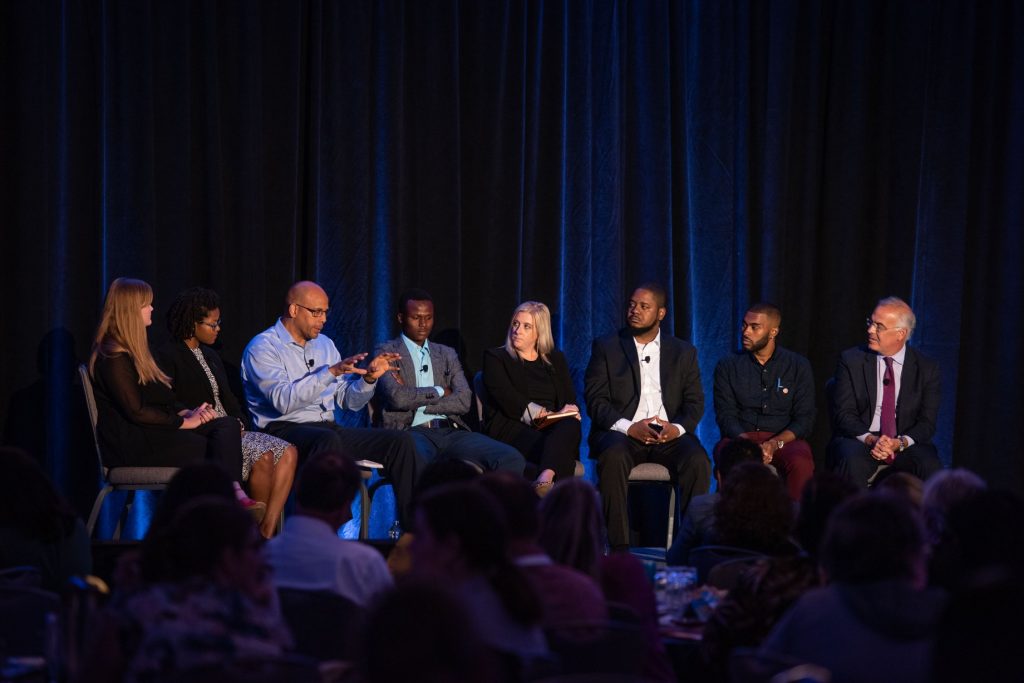
If you are among the 500-plus changemakers who gathered with us in Washington, D.C., I hope you too spent time asking yourself how to better support the success of every child, particularly those facing the most barriers. As I said during the opening plenary, so many of today’s systems perpetuate inequities in the lives of black and brown kids. These are the systems we must transform.
And that work is no easy feat — it’s hard, challenging, messy and exhausting. We need a way to feel rejuvenated, and I think we have plenty of inspiration for the next 12 months from this year’s amazing lineup of keynote speakers including Stacey Abrams, David Brooks, Cecilia Muñoz, Richard Reeves and David Williams.
Here are some key takeaways that emerged from our plenaries:
- “Other people have to see themselves in our story. You have to be willing to create space for other people’s goals to join yours. That’s what makes it collective and that’s what creates real impact.” — Stacy Abrams, activist, author and civil rights leader
- “The data is so important, but data only tells you about the whole population. It doesn’t tell you about the young man or woman sitting in front of you.” — David Brooks, The New York Times
- “Doing, as important as it is, isn’t enough. To get to scale, we have to translate learning to policy so that it can happen everywhere.” — Cecilia Muñoz, New America
- “Evaluation is key. We have to move from policy-based evidence making to evidence-based policymaking.” — Richard Reeves, Brookings Institution
- “How do we take this research and empower folks on the ground? More importantly, how do we get on the ground to understand what the real questions are?” — David Williams, Opportunity Insights
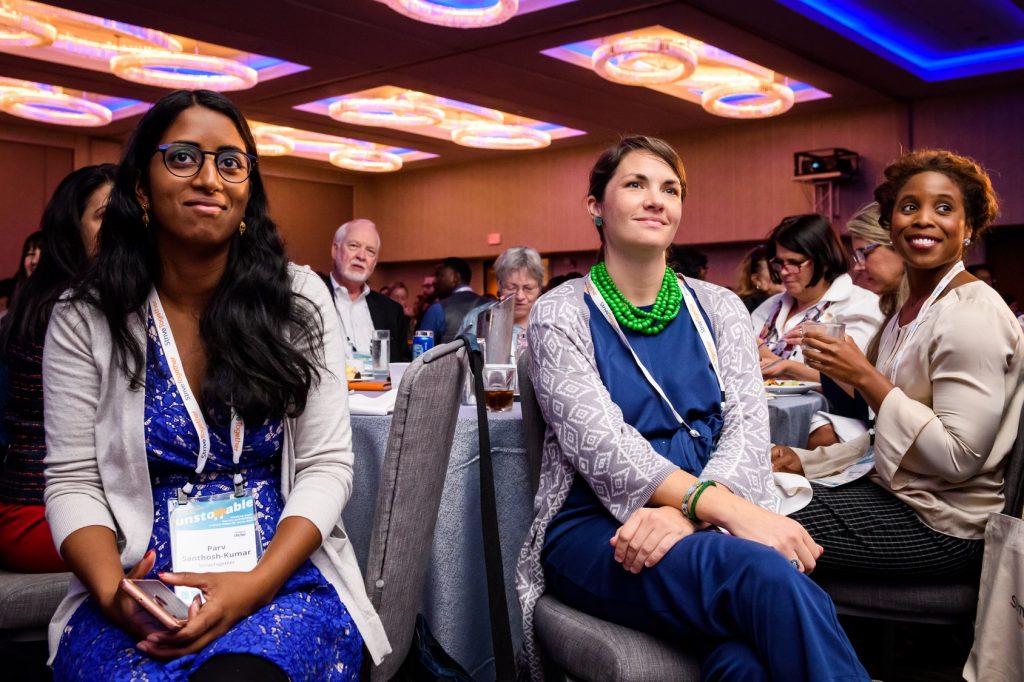
Developing a culture of continuous improvement is one of our core principles — we try to model this annually when we make adjustments to the convening. Last year, we heard a resounding call to continue to center equity in our work.
We shared the work of the Racial Equity Planning Team for network member feedback, including our first racial equity statement. A number of people talked to a TEGA (Technology Enabled Girl Ambassador) about the statement and gave us valuable input. StriveTogether will soon have a racial equity statement to guide our work and we look forward to sharing it.
Recognizing the importance of peer-to-peer learning, we launched a new partner portal! This platform makes it easy to find what you need and connect with other network members. Over 100 people representing 51 partnerships have already logged on to the new portal!
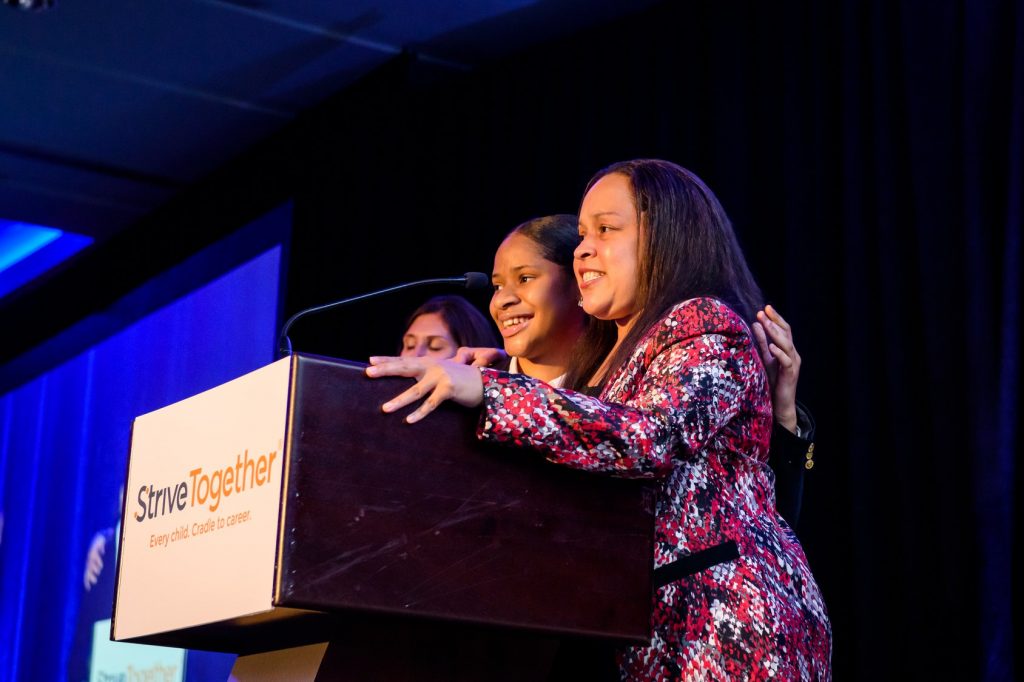
I feel so proud and fortunate to be working in community with thousands of people across the country, breaking down barriers and building better futures for kids and families. But as much progress as we’ve made, we have more work to do to ensure 24 communities reach systems transformation by 2023. I am more confident than ever that we will achieve this goal through the unwavering commitment and unmatched efforts of everyone in the Network.
Thank you to everyone who joined in D.C. or watched our plenaries via livestream (that was new this year!). We know success in this work is possible because we are unstoppable together. As you find better ways to help every child thrive, I charge you to continue lifting up the voices and expertise of young people and to learn what success means to them.
The post The Cradle to Career Network is unstoppable appeared first on StriveTogether.
]]>The post Weaving communities for better results appeared first on StriveTogether.
]]>Last summer, Brooks toured the country, visiting communities enriched by what he calls “weavers” — individuals and organizations creating trusting relationships to repair the frayed social fabric seen in the ways we ignore our neighbors or separate ourselves by our differences.
Collective impact aims to strengthen this fabric. Brooks got his first look at the StriveTogether brand of collective impact when visiting the Spartanburg Academic Movement, where he was touched by the way community-based partnerships were connected to serve the community’s children. He chronicled his discovery in a column aptly titled “A really good thing happening in America.”
At the convening, Brooks pulled forward his experience in South Carolina in his remarks and the panel discussion that followed. The panel was moderated by Jim Shelton, the former deputy secretary of education who coined the Cradle to Career Network’s term “proof point.” Shelton opened with a line from the column that crystalized one Brooks’ primary lessons from his Spartanburg visit: “Trust is built and the social fabric is repaired when people form local relationships around shared tasks.”
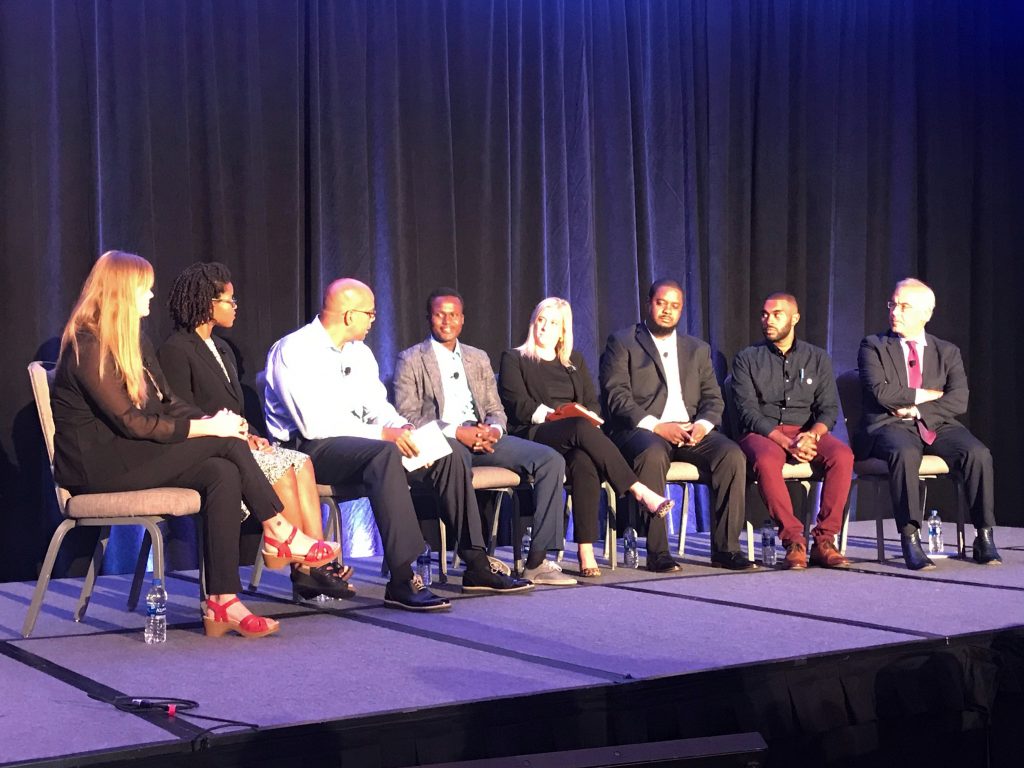
One by one, panelists described the examples of weavers working on these tasks in each of their communities:
- For Abdi Iftin and Amy Tehrens Terpstra at United Way of Salt Lake, weavers are the 565 volunteers in the community who donated school supplies for students, and the young people who work as grassroots connectors for parents and families across a range of immigrant experiences.
- Keith Lovelace of New York City’s Community School 61 and Michael Partis of South Bronx Rising Together spoke of the elders who make multiple visits to schools each week to read to students, alongside former students who return as volunteers.
- Elyse Peters and Shardé Oliver at Bold Goals Coalition of Central Alabama described how colleagues in rural Alabama build trust by sharing their local context, weaving partners into the community fabric.
These and other examples shared illustrate communities creating connections through meaningful relationships and appreciation of place. Such stories of relationships can often be overshadowed by leaders’ drive to achieve results. Brooks reminded audience members that as they navigate challenges back home, it is their relationships that will sustain the work. Relationship building is a skill, Brooks said.
“We all say we want to be good at relationship, but the people who are really good at it have gone through some sort of metamorphosis,” he shared.
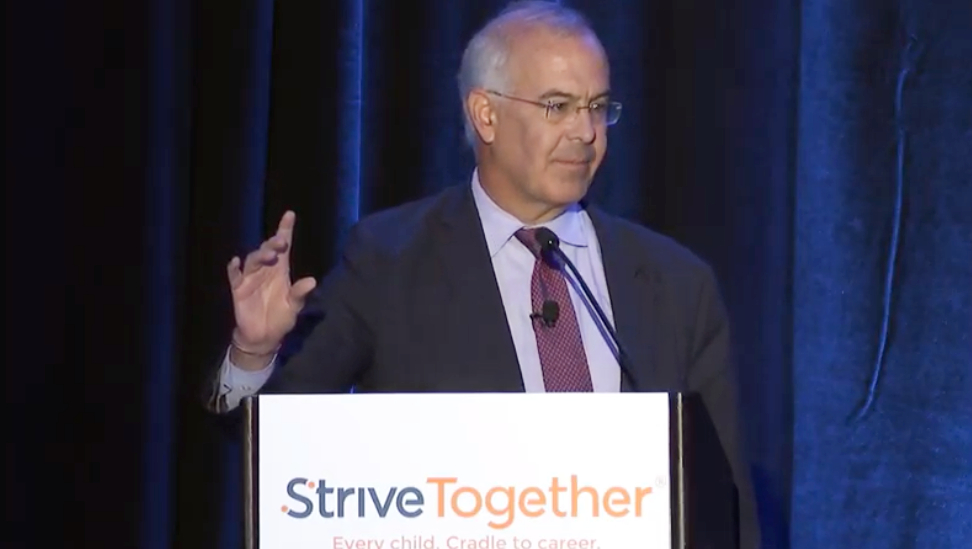
This metamorphosis is a narrative that Brooks has experienced in his own life, which he explained using StriveTogether’s name. Of the words “Strive” and “Together,” Brooks says he’s always been better at the first. He was a striver from an early age who chose his profession of writing after reading about Paddington Bear as a child. His journalism studies have led him to a career of achievement, with multiple books and a regular column in one of the country’s most prominent periodicals. But as his career progressed, Brooks found himself mostly alone, falling into a personal valley caused by a “lack of togetherness.” His charge to the audience was to remember the second part of StriveTogether’s name.
As an organization, StriveTogether too has seen metamorphosis, beginning as a network of like-minded partnerships creating collective impact in more than 100 communities. After an update to our theory of action added rigor to our framework, many communities left the Cradle to Career Network. Since then, the network has strived plenty, with a total of 13 proof point communities and an ambitious goal of 24 communities reaching systems transformation by 2023. But deep in the data lies something else — the strength of the community connectivity that has made it all possible.
Today, nearly 70 StriveTogether network members nationwide are creating relationships across sector, across difference and across the railroad tracks with a deep commitment to equity and closing disparities. As collective impact leaders, we are relationship builders first, and as we continue to learn and grow as a network, we take a note from David Brooks, who, as Jim Shelton noted, has not only the courage to change, but the courage to do it in public. And if individuals can change, culture can change, systems can change, and we can all keep striving — together.
The post Weaving communities for better results appeared first on StriveTogether.
]]>