The post ‘I got this’: Learning to organize from my position and place appeared first on StriveTogether.
]]>I am a mother of three sons in Saint Paul, Minn. My children are 7, 10 and 17. I do not have a bachelor’s degree, so I have only secured jobs that do not require a college degree. I began working in call centers and was good at it. As I moved through corporate jobs, I gained additional skills in sales, customer service and management. I was hired for a call center position at a financial firm that required securities licensing. I passed the relevant tests and I could trade stocks, bonds and other securities, in addition to supervising colleagues.
Without much notice, I was laid off. Because of my unique skills in securities licensing and my strong work ethic, I was confident that I would get another job quickly. Unfortunately, that did not happen. After months of rejection from various companies, I was behind on rent. My landlord was empathetic and allowed my family to remain in the property for four months for free. Eventually, my family had to move out of our apartment. We started moving in with other families that provided temporary housing. Although I was grateful for the families that opened their homes to us, I worried about being a burden. I sent my two youngest boys to stay with their great aunt in Chicago while I tried to pull things back together.
My family was homeless for a few weeks. I was embarrassed to tell my children’s school about our situation. My younger sons often showed up late and sometimes had to borrow uniforms from the school. When I finally told the school about our living situation, Elder Joanne, a staff member of the school’s Center for Culture, Families and Learning, shared information about a state-sponsored rental assistance pilot program that helped families secure stable housing to support their children’s academic stability. I applied for and was accepted into it. I finally felt like my family was on solid ground. The boys were doing better emotionally and academically. I had space to think beyond meeting our immediate needs. I finally could focus on my family’s future.
Then I met Elder Pam, a long-time housing advocate and respected community leader, who introduced me to the Saint Paul Promise Neighborhood Parent Council. When I joined this group of parents who secured stable housing through the same pilot, they were advocating at the Minnesota legislature to make this a permanent program. Quickly becoming an active member, I went to weekly meetings and formed relationships with group members.
My first experience engaging leadership was speaking on a panel in front of Ramsey County service team leaders. I began developing relationships with county leaders and I was asked by policy advocates to join them for legislative visits and testify at committee hearings. As a result of my advocacy efforts, I was invited to join local and state advisory groups, including Ramsey County’s Low Income Committee and Heading Home Together: Minnesota’s 2018-2020 Action Plan to Prevent and End Homelessness. For the Low Income Committee, I serve on the Citizens Advisory Council, a group of volunteers advocating for individuals and families that need help meeting basic needs for food, shelter, clothing and medical care, because their income falls below federal poverty guidelines. I am a member of the Regional Expert Network for Heading Home Together: Minnesota, a table of public and private stakeholders responsible for executing the state’s plan to end homelessness.
Through the network I built as a volunteer parent advocate, I came across a job opportunity one day. Although I had not done community engagement in a professional capacity, I was qualified for the position based on the skills developed through my work with the Parent Council and my previous customer service jobs. I was hired as a community engagement specialist for the Science Museum of Minnesota in the Access and Equity Department. While working there, I joined and graduated from the Amherst H. Wilder Foundation’s Neighborhood Leadership Program, which helped me focus on my personal leadership journey and skills. I also joined the foundation’s Community Equity Program, where I further honed my legislative advocacy skills.
Recently, I was hired by People Serving People, a Community Equity Program policy partner and the largest and most comprehensive homeless shelter for families in Minnesota. My role as the whole family systems manager is to lead a five-year learning process and partnership to explore the problem of homelessness that overwhelmingly impacts African American and Native American families. I am also a Boards and Commissions Leadership Institute fellow at Nexus Community Partners, where I am learning about how to impact change at different levels of government. I was elected chair of my neighborhood organization, the Summit-University Planning Council. Additionally, I am a newly trained Circle Keeper, which helps me to effectively facilitate group conversations.
Now, through the Education Partnerships Coalition, a statewide network of collective impact organizations in Minnesota, I work alongside organizers from rural and urban communities to coach other parents on how to speak up for their families and teach institutional leaders how to listen to us. Through this work, I build awareness that parents do not need fancy degrees to positively change state and local systems.
From my advocacy experiences, I have learned that my community is a rich and abundant place of knowledge. The beloved ecosystem that I have built over the years has nurtured my educational growth — like my own personal college. Every little choice and every little step I took made a difference for me, my family and my community. I am in a new position and place, both figuratively and literally. I am committed to making sure other parents see and exercise their power from their position and place.
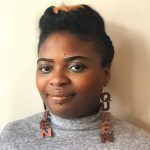 Erica Valliant is an organizer, activist and mother in Saint Paul, Minn., who works as the whole family systems manager at People Serving People. She also is a parent organizer with Education Partnerships Coalition, a grantee through the StriveTogether’s Cradle to Career Community Challenge Strategic Initiatives Fund. The coalition is comprised of Austin Aspires, Every Hand Joined, Generation Next, Growth & Justice, Northfield Promise, the Northside Achievement Zone, Partners for Student Success and the Saint Paul Promise Neighborhood.
The post ‘I got this’: Learning to organize from my position and place appeared first on StriveTogether.
]]>The post The path to American renewal starts in our communities appeared first on StriveTogether.
]]>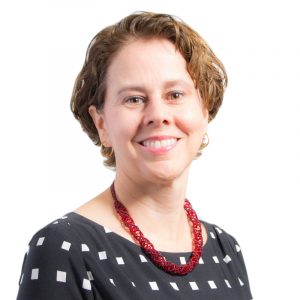 Guest post by Cecilia Muñoz, vice president for public interest technology and local initiatives at New America
One of the many lessons I learned working for President Obama comes from his insistence that cynicism is one of the biggest threats our democracy faces. We believe that the system is broken so we back away, taking our hands off of the very levers that give us the capacity to make the changes that we seek.
There may be plenty of reason for cynicism in these challenging times. But there is also plenty of reason for hope, especially if you turn your head away from the dysfunction in Washington and focus on what good people are doing all over the country to address our public problems.
Those problems are grave indeed. Recent studies from Raj Chetty’s team at Harvard tell us that 70% of Americans born in the lowest income quintile will never reach the middle class, and that African American, Latinx and Indigenous children are more likely to experience downward mobility than their white peers. Too often, solutions aimed at young people focus on only one stage of a child’s education — such as early childhood, K-12 and higher education — at the expense of their broader life experience.
But there are promising signs that skillful hands and hearts are using data and other innovative tools to drive impact in small towns and big cities across the country. For example, StriveTogether, a national network committed to supporting the success of every child, offers a framework that is generating impressive impact in nearly 70 communities. In Memphis, Tennessee, a StriveTogether community partner worked with other nonprofits and a local children’s hospital to expand the Parent as Teachers program using an evidence-based curriculum to empower parents and connect families with community resources. Early results indicate that enrollment in home visiting programs has already increased by 9%. They also recently scored a policy win by making the case to city and county government to collaboratively invest $11 million to provide about 1,400 4-year-olds living in poverty access to full-day pre-K. The approved legislation also commits to expanding the program to full enrollment over the next two years, for a total investment of $40 million.
In Salt Lake City, Utah, nonprofit leaders, teachers, business owners and other community members gathered to tackle chronic absences among students at eight local elementary schools — the success has been remarkable. In one school, absence rates dropped from 16% to 2% among a group of chronically absent first-graders over a 10-month period of targeted interventions. At another school, 7% of special education students tested above reading benchmarks — a new high. This StriveTogether community is also advocating for public policy change, which has resulted in some important strides forward for early childhood funding, including the creation of the Governor’s Early Childhood Commission.
StriveTogether’s collective impact approach is already impacting the lives of 13.7 million youth across the nation — 8.6 million of whom are children of color. In the last year alone, 59% of their partnerships reported successes in three out of the six outcomes they measure for improvement, which include kindergarten readiness; early-grade reading and middle-grade math; high school graduation; postsecondary enrollment; and postsecondary completion to getting a good job that provides economic mobility.
These successful practices offer proof that we have the tools available to solve big challenges if we use them wisely and dare to measure our results. The next big challenge is to bring these changes to scale, which will take innovative new public policies. It’s not enough to increase the number of people who get to college in a single community; we need to replicate this success throughout the country. That means translating lessons learned from these localized experiences into policies to benefit children everywhere.
I say this as a policymaker — government doesn’t have to be broken. It can deliver the results it was designed to deliver. Good people with great ideas are making it happen locally, and there’s no reason that it can’t happen at a national scale. We don’t need Washington to give us the answers; our communities already have them. We should bring those ideas to our policymakers rather than the other way around. All we need to achieve collective impact are some proven strategies and the desire to make a difference in the lives of our kids.
The post The path to American renewal starts in our communities appeared first on StriveTogether.
]]>The post Teens take action in Louisiana appeared first on StriveTogether.
]]>My name is Ta’Mya Davis and I am a junior at Benton High School in Benton, La. I serve as the communications chair for the Teen Advisory Committee (TAC) at Step Forward, a member of the StriveTogether Cradle to Career Network. The committee launched this past January with teens representing the diverse population of six parishes in the community.
I was first introduced to the Teen Advisory Committee through my school counselor who thought it would be a perfect match for me — boy, was he right! I became involved with the group because I recognized it as an extremely beneficial opportunity. It provided a chance for me to improve myself so I can become a more effective leader, give back to the community and work with diverse groups of people.
The Teen Advisory Committee is something that my community has needed for a long time. As of right now, Louisiana has one of the lowest graduation rates and teens experience high levels of anxiety and stress. I, personally, would like to see more teens get involved in their community to talk about these issues.
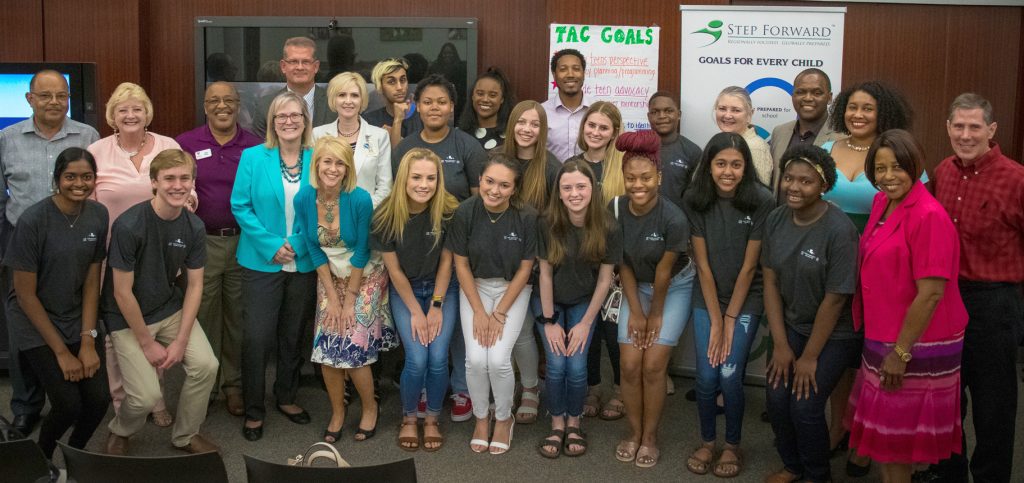 We, as a group, are currently working toward fixing and improving these problems. The Teen Advisory Committee has been an eye opener that helps adults realize the daily struggles and challenges that teens face in our community. This unique and amazing group allows us, the teens, to be the experts. Because we actually deal with these problems and experiences head-on, we can offer unique firsthand thoughts and opinions that adults don’t have. We have had many opportunities to present our platform and discuss our ideas with large groups of adults such as Step Forward’s Leadership Council and its Workforce Development and Middle-Grade STEM (Science, Technology, Engineering and Math) network team.
We usually present top-level findings at Step Forward’s meetings. For each challenge cited, we propose solutions. As an example, to enhance career readiness, we said hire more guidance counselors and expose students to “real-life” employment pathways. For the most part, the adults have been very open to hear what we have to say. Some adults were even shocked to hear some of the problems that we mentioned.
In a short amount of time, I have worked with other members of the group to establish bylaws and lay the foundation for present and future members. We are currently going through training and working on choosing a community service project that will be based on what we feel are the biggest problems teens in our community face today. The areas that we think need the most improvement are education, health, especially mental health, and civic engagement.
This decision was made by the 30 teens within the Teen Advisory Committee, including an executive committee of officers and committee chairs. The executive committee is the leadership of the group, which governs the organizational structure, membership, group activities and professional conduct. At a typical meeting, the president, Bhavani Tivakaran, calls the meeting to order. She and the vice president, Robert Lawrence, co-facilitate to make sure the meeting is running smoothly. The secretary, Annika Robinson, takes notes and reads the minutes from the previous meeting.
Before we close out our meetings, we usually discuss the time, date and location for the next meeting. As the communications chair, I keep the group updated on meeting dates/times by sending a “remind” message to the entire group. Our meetings are held once a month at a central location and last anywhere from 90 minutes to two hours. We accomplish a lot in the two hours that we meet.
Outside of my involvement with the Teen Advisory Committee, I am a member of several organizations: the Student Council, Students Against Destructive Decisions (SADD), Young Women Choosing Action (YWCA), band, interact club, literary rally and Junior Optimist International. Being in the Teen Advisory Committee has allowed me to improve and hone some of my leadership skills. Since becoming a member, I have improved my time management, communication and effective listening skills. Because I am involved in many other groups, I have to properly manage my time. When I am doing my job as the communications chair, such as sending out reminders, I must make sure that there is no miscommunication and that everyone understands the upcoming events. When we brainstorm ideas for our community service project, I am learning how to listen to everyone’s different views.
My participation in the Teen Advisory Committee has allowed me not only to become a better version of myself, but to help my peers do the same. Honestly, I have never been more excited to be a part of a group! The other members allow me to be optimistic about the future. They are ready to work, take action and improve the overall well-being of teens. I believe, without a doubt, that the Teen Advisory Committee will achieve great things and I am ecstatic to see what all we do. It is an honor to work alongside peers who have the same goal as me: to change the future for the better.
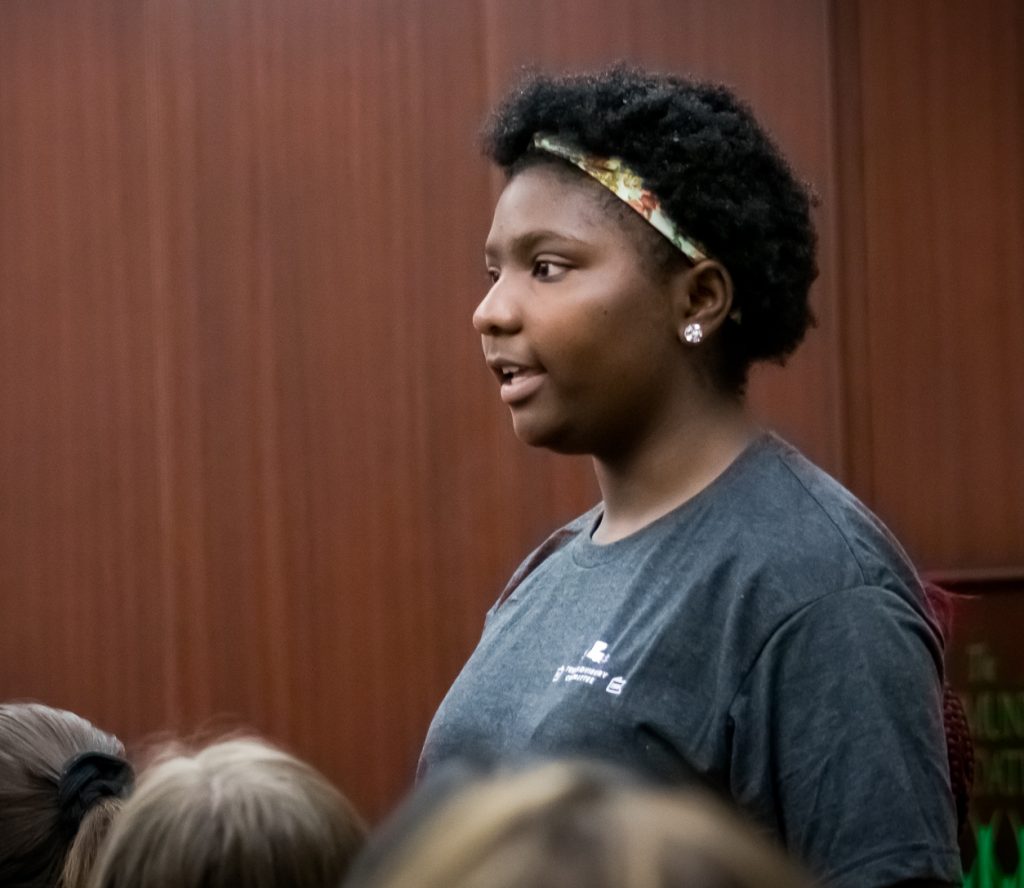 The Teen Advisory Committee was established by Step Forward, a member of the Cradle to Career Network. Training and funding for the committee were provided by International Youth Foundation’s LEAPS initiative as part of efforts to engage young people and communities in addressing youth challenges in rural Texas and northern Louisiana.
The post Teens take action in Louisiana appeared first on StriveTogether.
]]>The post Raise DC welcomes the Cradle to Career Network to Washington, D.C. appeared first on StriveTogether.
]]>On behalf of our partners in the District of Columbia, Raise DC is thrilled to welcome the StriveTogether Cradle to Career Network communities to the nation’s capital for this year’s convening.
The District is popularly known for federal policy, historic monuments and swampy weather, but it is also a vibrant and diverse city (and hopeful 51st state) that offers scores of tradition and culture. For many of our 700,000 residents, “politics” means getting to use the excuse of being delayed by motorcades or rallies more than most. While you’re here, we hope you get the opportunity to experience some of the things that make DC so unique, like half-smokes, go-go music and history in all eight Wards, including the National Museum of African American History and Culture in Ward 2 and the Frederick Douglass House in Ward 8.
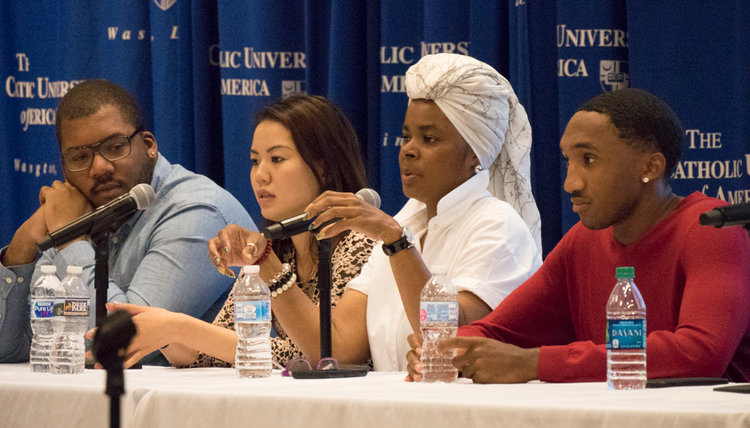
The theme of this year’s Network convening, “Unstoppable,” is a fitting rallying cry to keep us pushing forward in our work to remove systemic barriers that have been designed to hold back so many of our young people, particularly our black and brown children and youth.
At Raise DC, we are united in building a future in which every DC young person — regardless of their race, ethnicity, Ward, gender identity or disability — has access to equitable opportunities that allow them to define success for themselves and achieve it. We recognize that changing the narrative to positively show the potential and assets of each child and youth in DC (more than 150,000 of them in our cradle-to-career continuum) is critical to ensuring we can unite all of the sectors, partners and resources that will help us overcome barriers together.
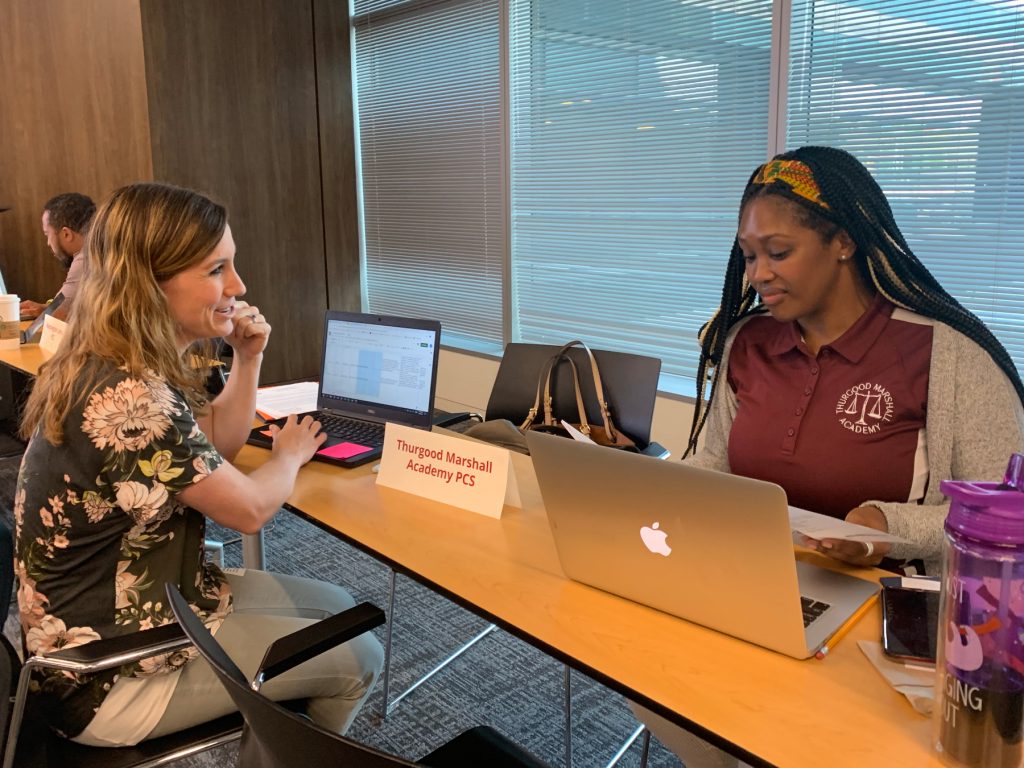 We are working to be “unstoppable” in many ways, including through our:
- Bridge to High School Data Exchange: In partnership with DC’s Office of the State Superintendent of Education and dozens of school leaders from DC Public Schools and public charter schools, Raise DC launched a Bridge to High School Data Exchange, in which middle and high schools exchange critical information on students transitioning to ninth grade. Now in its fourth year, the Bridge to High School has seen participation from 95% of eligible campuses, having positively influenced more than 14,000 rising freshmen since 2016.
- Summer Melt Initiative: We partnered with DC College Access Program (DC-CAP), American University and DC Public Schools in 2018 to implement a text message platform to reduce the rate of summer melt among 3,500 rising college freshman by sending them reminders about deadlines, housing and advising. The program continued through the school year and expanded over this past summer.
- Change Networks: Our collaborative action networks continue to grow. More than 70 local organizations, schools and agencies now count themselves as members of our Early Grade Change Network, 9th Grade Counts Network, Disconnected Youth Change Network or Postsecondary Access and Completion Change Network. All groups are using continuous improvement to test strategies that will ultimately improve educational outcomes across our cradle-to-career continuum.
We know communities across StriveTogether’s Cradle to Career Network are bringing about great change, united in building an equitable future. We are eager to host this year’s convening and share some of what makes the District great, as well as hearing bright spots from partnerships across the Network.
 Herbert R. (Herb) Tillery is the Leadership Council co-chair for Raise DC, a member of the StriveTogether Cradle to Career Network in Washington, D.C. He also serves as the executive director of College Success Foundation – District of Columbia.
The post Raise DC welcomes the Cradle to Career Network to Washington, D.C. appeared first on StriveTogether.
]]>The post Starting at home for success at school appeared first on StriveTogether.
]]>I always find it helpful to get out of my “Tacoma tunnel vision” and see how other communities think differently. I recently had the chance to learn with eight other communities from across the country at a convening of the StriveTogether Opportunity Fund. We came together in Denver to share progress and insights from our work to change systems, including effectively collaborating across the community.
Tacoma Housing Authority commits to helping our customers succeed as parents, students, wage earners, tenants and builders of assets. With StriveTogether Cradle to Career Network member Graduate Tacoma, supported by the Foundation for Tacoma Students, we share a vision of a Tacoma where every child succeeds. We work toward this vision with other organizations in different sectors, like education, health care, transportation and more.
As federal resources continue to decline or remain flat, we look to cross-sector collaboration as the best way to use housing dollars to meet other goals. We invest in helping young people succeed as students. We also help our local school district and colleges succeed in serving low-income students, all of which aligns with the work of the Graduate Tacoma movement.
Here are a few of the ways we use our housing efforts to support kids in every aspect of life:
Hosting a Head Start program
We host a Head Start program at one of our housing properties — the only school district Head Start in Tacoma not hosted at a school. The Head Start model takes a comprehensive approach to meeting the needs of young children, including education, health, parent involvement and social services.
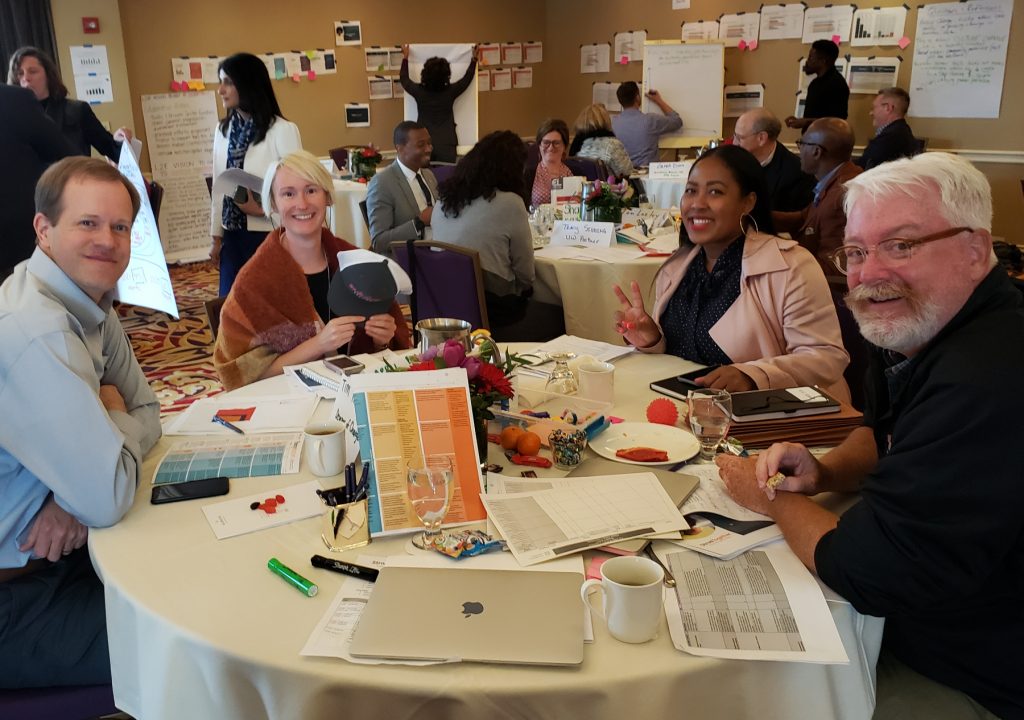
Providing immediate housing for families and students
We partner with Tacoma Public Schools to make housing immediately available to homeless and near-homeless families. Backed by a federal law called the McKinney-Vento Homeless Education Assistance Act, this partnership ensures immediate enrollment and educational stability for homeless children and youth.
We also partner with two Tacoma colleges to make housing immediately available to homeless and near-homeless students. In the first three years of this program, participating students have reached higher persistence rates than other homeless students and higher GPAs and graduation rates than the general campus population. These results have motivated us to expand the program to serve more students.
Building our relationship with the Foundation for Tacoma Students helped me see that we could expand this program to homeless high school seniors who are old enough to sign their own leases. After returning from Denver, we dove into these ideas and are planning to launch the expansion this fall. This expansion shows homeless high school students that there is a path to college and economic mobility. Housing is foundational on that path.
Helping families save for the future
We offer a Children’s Savings Account program to the children at our largest housing property. We open a savings account for each child in kindergarten and continue matching their savings through elementary school. Beginning in middle school, we deposit funds in the account each time a student meets a milestone that will help them graduate from high school and enroll in college. The student has access to their funds after graduating from high school and enrolling in a postsecondary program.
The goal of the program is to plant a seed with parents and children when children are young to let them know that college is for them and we support their goals. We continue to work on building a true college-going culture. The work of our local StriveTogether network is a key to helping us do that.
Attending the Opportunity Fund convening was exciting and reinvigorating for me. Thank you for letting me into your circle. I am motivated by the work to come!
Graduate Tacoma was awarded a grant through the Cradle to Career Community Challenge’s Opportunity Fund, focused on deeper systems change through aligning education with other sectors like health, housing, transportation and more.
The post Starting at home for success at school appeared first on StriveTogether.
]]>The post Statewide collaboration for Minnesota’s kids and families appeared first on StriveTogether.
]]>When communities work together at a state level, they can get powerful results for kids and families. Recent policy work in Minnesota demonstrated this effect with a win for education.
Minnesota began the 2019 state legislative session with the only divided government in the nation — with a Democratic governor, Tim Walz, and a House of Representatives with a Democratic majority alongside a Senate controlled by Republicans. The focus of the session was to pass the nearly $50 billion state budget, determining what funding would be available for education, human services and more.
Ensuring children and families can succeed is not a partisan issue. This goal is shared across Minnesota by members of the Education Partnerships Coalition, collective impact organizations that include six members of the StriveTogether Cradle to Career Network and two members of the Promise Neighborhood Institute. The group is supported by a grant from StriveTogether’s Cradle to Career Community Challenge.
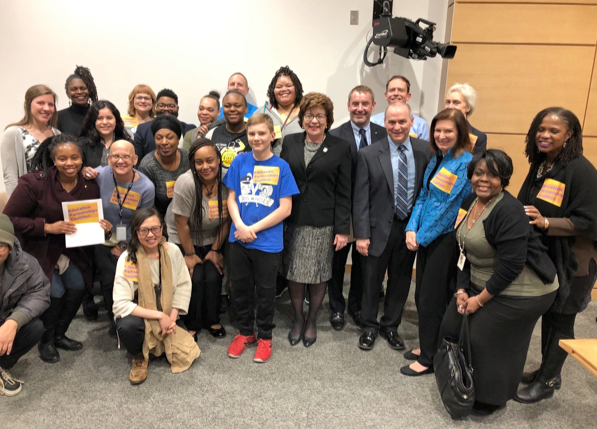
Senate Chief Author Carla Nelson with members of the Education Partnerships Coalition after the education committee hearing.
With a mission to eliminate some of the nation’s worst opportunity gaps, the Education Partnerships Coalition sought state funding to provide deeper support to more families across Minnesota. The EPC’s bill (House File 1056/Senate File 939) added additional rigor and requirements to the EPC’s existing state statute (124D.99) in addition to funding for Coalition members and planning grants to expand collective impact to new communities.
Throughout the legislative session, the Education Partnership Coalition supported parents to share their experiences and advocate for their families and communities. During the House and Senate committee hearings, legislators heard parents, students and school officials share why the StriveTogether framework is a key solution to eliminating educational disparities and enabling children and parents to thrive.
After a contentious special session, the Education Partnership Coalition was successful in passing its legislation and securing nearly $3 million in new state appropriations, in addition to $5.2 million in existing base funding. This marks an increase of $1.54 million from the state for this work over the next two years. In addition to legislative leadership, this victory is a result of powerful parent advocacy.
The Education Partnerships Coalition is made up of collective impact organizations from across Minnesota, including six members of the StriveTogether Cradle to Career Network: Austin Aspires, Generation Next in the Twin Cities, Every Hand Joined in Red Wing, Northfield Promise, Partner for Student Success in the St. Cloud area, and Cradle to Career in Rochester. The other Coalition members — Saint Paul Promise Neighborhood and the Northside Achievement Zone in Minneapolis — are members of the Promise Neighborhood Institute.
 Sarah Clarke is director of government affairs at Hylden Advocacy & Law. She is project manager for the Education Partnerships Coalition.
The post Statewide collaboration for Minnesota’s kids and families appeared first on StriveTogether.
]]>The post Connecting families to solutions in Memphis appeared first on StriveTogether.
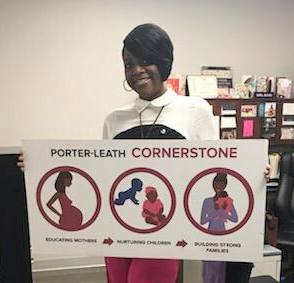
]]>Through the Prenatal to Age 3 Impact and Improvement Network, I had the opportunity to help impact home visitation in Memphis and Shelby County, Tennessee. The Impact and Improvement Network is a collaboration of communities from across the country building strategies to improve results for families and children aged 0 to 3. To reach more families with our support services, my team has developed a strategy to increase enrollment in the Parent as Teachers program that I manage here at Porter-Leath.
The Parent as Teachers program uses evidence-based curriculum to develop positive parent-child relationships, connects families with community resources and promotes the overall health and wellbeing of the child. |
Here are three of our insights from our work:
To develop solutions, you need to get to the root cause of the issue.
The Parents as Teachers team recruited families, but they weren’t turning those families into clients. Our team created a process map that allowed us to identify roadblocks to enrollment into the program, and this deeper dive showed that some of those barriers came from what we were communicating with families.
The way we talk about our programs and our work matters.
We noticed that some potential clients did not want to enroll in the home visitation program after showing interest during the initial contact, because what they were actually looking for was child care services. To reach the right families, we developed a script to better describe the program with insights and feedback from clients, educators and more.
We shared the new script with staff and affiliates to ensure that everyone was communicating the same information about the program. Now when we first meet with families, everyone understands what we offer.
Changing the way we talked about the program had a big impact. After we implemented the script into our recruitment process, our enrollment numbers increased by 9 percentage points.
Keeping partners informed about your results can make them excited to make changes, rather than hesitant.
Moving forward, we’re hoping to capitalize on this momentum with other home-visiting programs to ensure that together, we’re reaching as many families as possible. Throughout the process, we kept the full Early Success Coalition, a Shelby County coalition of home-visiting programs, informed on our process and results.
At first, other home visitation programs were hesitant to make changes, because they each have their own process for enrollment. As our enrollment increased, we watched key program staff grow from hesitant to actively interested in going through a similar process in hopes of seeing the same positive change we’re seeing with Parents as Teachers. We’ve already started working with another program to identify key themes to attract new clients by interviewing current clients.
We’re excited for the prospect of improving enrollment rates across home-visiting programs and look forward to continuing to see the positive impact of our time with the Prenatal to Age 3 Impact and Improvement Network. We’re grateful for this opportunity and the incredible impact the work has had on our programs and the families of Memphis.
 Kimberly Thomas manages the Parents as Teachers program at Porter-Leath, a partner of Cradle to Career Network member Seeding Success. Seeding Success is one of six network members participating in the StriveTogether Prenatal to Age 3 Impact and Improvement Network, in partnership with the National Institute for Children’s Health Quality.
The post Connecting families to solutions in Memphis appeared first on StriveTogether.
]]>The post The collective impact of collective impact appeared first on StriveTogether.
]]>For three weeks this spring, I was fortunate enough to tour the U.S. visiting a variety of cradle-to-career initiatives on a Winston Churchill Fellowship. The Fellowship enables UK citizens to travel the world looking at innovative solutions to the world’s most pressing problems and bring them back to the UK.
A fitting culmination of my travels was a convening with some of StriveTogether’s most advanced communities in Denver. I was lucky enough to observe two inspiring days with nine StriveTogether partnerships from around the country. I have learned so much from the many people who generously gave their time and expertise, sharing the challenges and opportunities that come with this important work. Here are a few reflections from my time in the States and in particular at the StriveTogether event.
In StriveTogether President and CEO Jennifer Blatz’s opening comments at the convening, she rightly described the work of StriveTogether partnerships as “ground breaking,” which almost by definition means that it is hard because well-established antecedents are few and far between. But it also means that it resonates: As we know, successful collective impact in a community can resonate nationally and, as my visit is testament, it can resonate internationally as well. As we develop our work in the UK, where cradle-to-career efforts are less established, it is incredibly helpful to be able to point to the work of StriveTogether and the Cradle to Career Network as an example of what can be achieved. So, my main duty is to thank those of you doing this pioneering work.
A revelation, in the course of my trip, was that StriveTogether is not only about collective impact in individual communities, but about the collective impact of the Network itself. One participant said to me that his partnership “would not have achieved 1/10th of what it has achieved without the Network.” It is this element of what I saw in the States that I am most envious of — a supportive community of people and organizations that are having comparable experiences across the country and who are happy to pick up the phone or host a visit to share best practices or solve problems collectively.

And a final general reflection on the StriveTogether Cradle to Career Network and indeed cradle-to-career partnerships I observed across the States is the way in which people individually live and breathe a collaborative, collective approach. The openness and honesty with which individuals have been willing to share their victories but also their struggles has been truly humbling. I suppose this must in part be because the work attracts a certain sort of person who is open to collaboration, but I suspect it is also a set of qualities and values that can be trained and learned over time, so that it occurs not only in formal “collective impact” interactions but is instilled in the structural operating values of an organization. In a world where competition is more often the underlying ideology, this collaborative approach was a breath of fresh air.
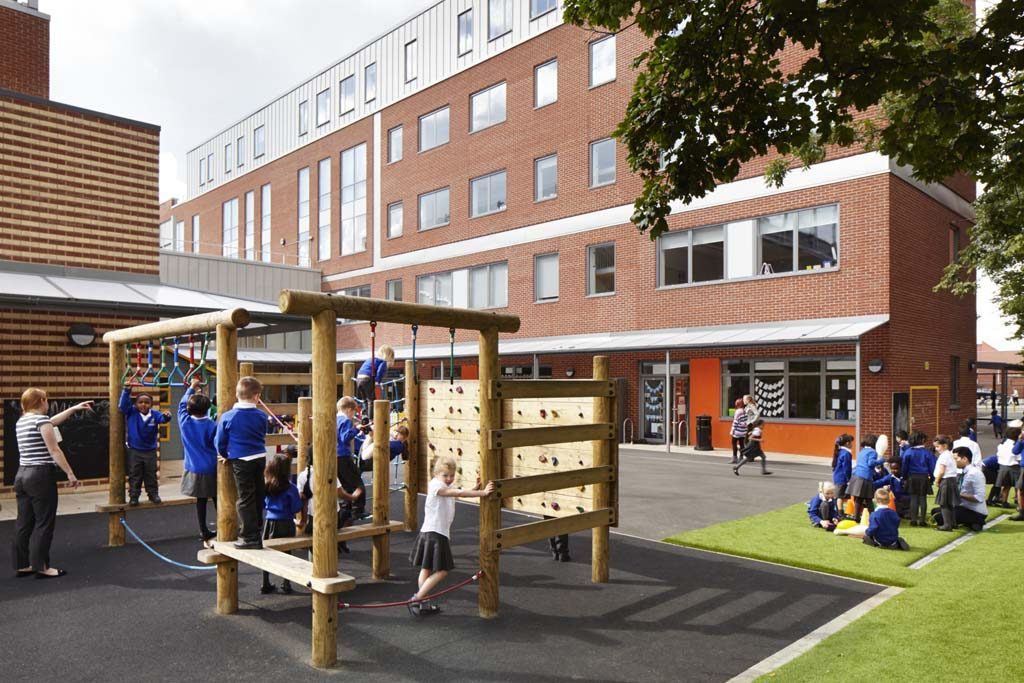
My visit was particularly important to me because of my work with Reach Academy, where I am a trustee. In 2012, I co-founded the school with Ed Vainker and Rebecca Cramer. We are deepening our impact in the community with a new children’s hub offering cradle-to-career support, and a second Reach Academy is due to open in the neighborhood in the next few years.
Thank you to all who shared their experiences with me. Please do visit us in London or reach out over email. I look forward to continuing the conversation.
 Jon McGoh is a trustee and co-founder of Reach Academy in Feltham, England. The school received an “Outstanding” Ofsted rating and achieved the 16th best progress score in the country in its first set of examinations.
McGoh helped to produce the documentary film “H is for Harry,” which is set in the school. The film, which was released earlier this year, is being used nationally and internationally as a call to action for this work, particularly around the need for early intervention.
The post The collective impact of collective impact appeared first on StriveTogether.
]]>The post Moving from diversity to equity in the community of Oak Park appeared first on StriveTogether.
]]>Oak Park, Ill., is an aspirational community, touted by residents as a diverse and progressive place where all people can live and thrive together. But despite efforts to promote Oak Park’s legacy of integration, ongoing discrepancies in student achievement tell another story: Our community has overlooked, even ignored, the importance of equity.
Students across Oak Park occupy the same streets and schools, but they don’t all have access to the same opportunities. These challenges reflect a failing of our systems and adults, not our children. If we are to be a community that is inclusive of differences in race, ethnicity, gender, beliefs, income, culture, sexual orientation, ability and family structure, then our systems — which were not developed to accommodate these differences — must change. And change is hard.
In response to research and our own data, Success of All Youth is tackling the systemic racism and biases that have long kept so many black and brown students from reaching their full potential. Here are some examples of what we’ve learned in our journey to become a community in which every kid thrives:
- Set out specific policies, procedures and leadership focused on equity, and keep equity at the forefront. We found that simply putting goals in strategic plans was not cutting it. Instead, we set a stronger stance for equity across the community. District boards of education approved formal equity policies, like those adopted by District 97 and District 200, and hired equity directors, like District 97’s Carrie Kamm and District 200’s LeVar J. Ammons. Equity will be a focus in all school decisions, from capital improvements to curriculum. Accountability and monitoring practices are being put in place in school districts, and efforts are underway to do the same in village government.
- Lift up youth and parent voice. It’s crucial to develop solutions with those closest to the challenges. We strengthened youth voice through affinity groups, social justice groups and participation in decision-making committees. The community has also supported the development of a student-created and -led racial equity course, developed by Students Advocating for Equity (SAFE). To hear from and work with parents, we gathered affinity and advocacy groups and include parent participation in making decisions.
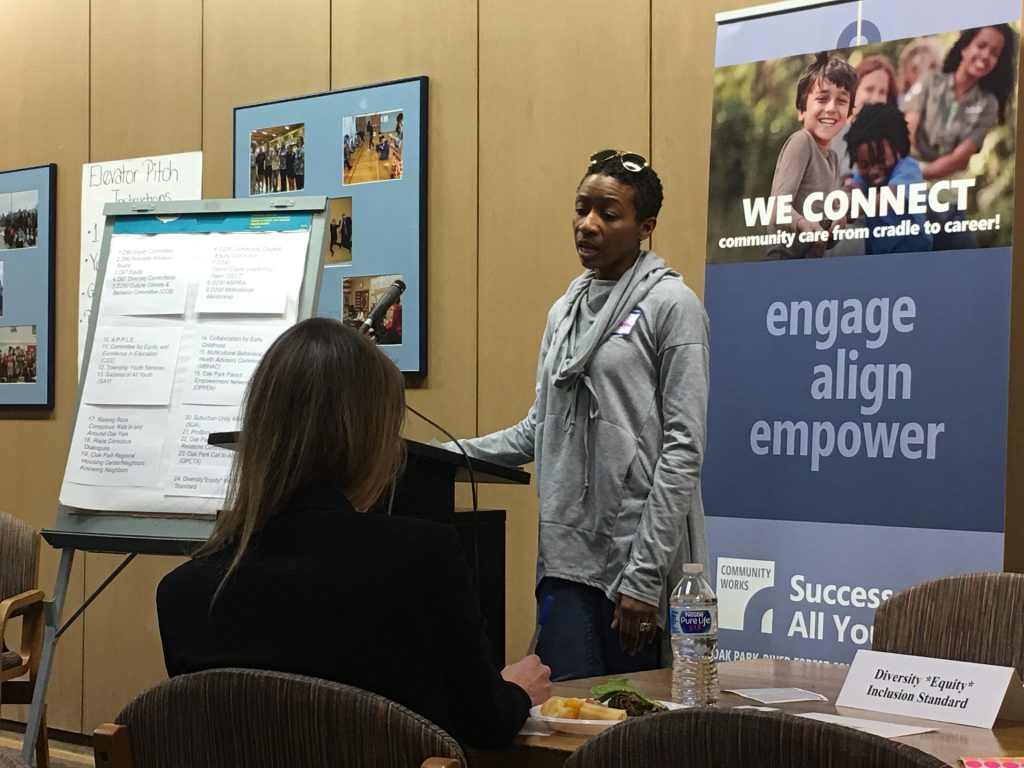
- Start a practice of consistent communication. Because change is not always met with open arms, ongoing communication is important in working to include the whole community. Clear communication can address misunderstandings and fear. Success of All Youth uses strategies like creating community committees, conducting surveys, hosting forums, partnering with the local paper and using social media.
- Provide training to help the community tackle this work. We’ve established ongoing training for our staff, teachers, students, police officers and community members. Opportunities include offerings from Courageous ConversationTM and Umoja, along with other professional development focused on race and trauma-informed practices, in addition to training and reflection for the community.
This work is a marathon, not a sprint, and it has come with numerous stops, starts and bumps along the way. The right leadership is crucial. We’ve also learned that to make systemic change that can withstand the challenges to come, we have to take an approach that outlives the current administrations, boards and even community members.
Supporting every child to reach their potential is not just about teaching and learning within the walls of schools. Academic achievement depends on a holistic community approach that addresses the social, emotional and health needs of children and youth and works to address the failings of systems and adults. Success of All Youth is proud to support this work in Oak Park and River Forest as we work toward our vision of a community where every kid has opportunities to thrive.
Linda T. Francis is the director of Success of All Youth, community partners working together to ensure every child in Oak Park and River Forest, Ill., is empowered to reach their full potential. Success of All Youth is a member of the StriveTogether Cradle to Career Network.
The post Moving from diversity to equity in the community of Oak Park appeared first on StriveTogether.
]]>The post The power of design thinking across the Cradle to Career Network appeared first on StriveTogether.
]]>In the past 15-20 years, we have heard the words “innovation” and “design thinking” thrown around a lot in the corporate world. But what do these words really mean? How do they work in the nonprofit field? I’m a graphic designer and did not understand what these phrases meant when I joined StriveTogether in January for an internship. I have always been told that design starts with a concept and ends as an object or something visual — there is a finished piece of work at the end.
My thoughts on design thinking shifted recently when I took part in a panel discussion at the University of Cincinnati, where I am a student majoring in fine arts and focusing on graphic design. Comments from some participants gave a new perspective to my time at StriveTogether. The work of graphic designers is not limited to the products they create while sitting at a computer. All designers are creative problem solvers who provide or improve an experience for a user. StriveTogether supports the success of every child by providing technical assistance, resources, tools and proven processes. But I know what you may be wondering: How exactly does this national nonprofit organization act as a design team?
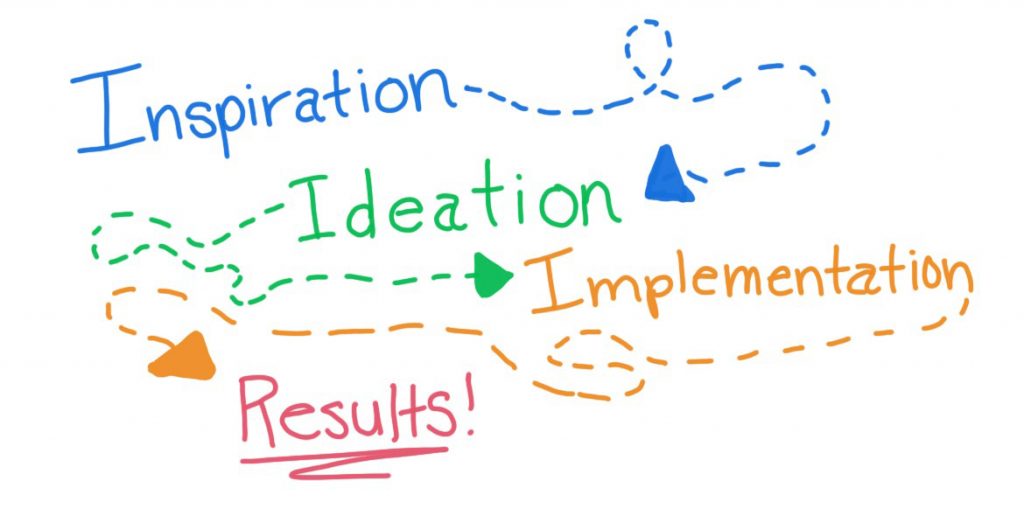
Here’s how it works: Communities join the StriveTogether Cradle to Career Network to get better results for kids. StriveTogether then works with those communities to find and refine solutions to the problems they are facing. StriveTogether also convenes communities to share stories of success. Learning from each other, communities develop strategies and best practices specific to their local needs. This collaboration leads to the Network Effect, which closes disparity gaps and helps create equitable outcomes for every child.
The StriveTogether approach began as an idea inspired by the inequities faced by kids in the U.S. education system. This idea was tested, refined and shared with others, where it was then tested and refined again — growing wider and deeper in scale until it was proven to work in a variety of contexts. Now, challenges and obstacles in nearly 70 communities across the country are being solved in creative and innovative ways.
No, the StriveTogether approach does not produce a singular packaged product for the user and will inevitably continue to evolve, but it is still based in design methodology. In this case, the problems are systems that create disparity gaps and the users are every child in the Cradle to Career Network.

I have come to learn through working at this organization that I am not a designer for a nonprofit. I am a designer for a national movement to get better results for kids, working on a team where every single member is a designer.
Blog post by Connor Johns, who served as the graphic design intern at StriveTogether from January to May in 2019. Connor is a senior at the University of Cincinnati studying fine arts, art history and psychology.
The post The power of design thinking across the Cradle to Career Network appeared first on StriveTogether.
]]>