The post Census 2020: What nonprofits need to know appeared first on StriveTogether.
]]>Why does the count matter for nonprofits and those they serve?
An undercount of African American residents in the upcoming census could mean a loss of representation and funding, including one to two congressional seats; about $1.2 billion in federal funding over 10 years; at least $12,000 to $15,000 per decade in Health and Human Services funding along for each uncounted person; and diminished availability of funds for nonprofits. Public infrastructure is also determined by census numbers. Governments and business use the data to determine where to locate schools, transit and retail outlet for communities.
To ensure all are counted and receive their fair share of economic resources, political representation and social services, three key takeaways emerged from the Chicago Urban League event.
Understand who is excluded/undercounted and the barriers that uniquely impact that group. “Sadly, of the top 10 cities with the highest of number of African Americans, Chicago ranks number 2 in percentage of African American in Hard to Count populations,” shared Butler. In addition to certain African American communities, Hard to Count populations include young children, rural residents, other communities of color, immigrants, individuals experiencing homelessness and others. Many of these communities are undercounted for multiple reasons, such as living in housing units not on the Census Bureau’s Master Address File, living in a multi-unit building or in complex households, moving frequently and experiencing language barriers.
Specific attitudinal barriers such as distrust, apathy and privacy concerns were also discussed as reasons African American communities in Chicago are undercounted. Kareem shared, “While there is apprehension among African American communities regarding census data, how it will be used, who will have access to it and concerns about the privacy of sensitive information, it is important to recognize that the degree of these barriers might be different across communities. African American communities in Chicago are not monolithic.”
Nonprofit representatives during the session recommend creating a community culture assessment or using an existing community assessment tool to uncover the unique barriers that impact different neighborhoods.
Create solutions that directly address the barriers unique to that community or neighborhood. Personalizing messages based on Hard to Count population type is critical. Those who have completed the census before might need to be re-oriented to or re-educated about the process. Others who are unfamiliar with the new process of completing the census through mail and online might respond to social media messaging.
“It is important to meet people where they are and talk specifically about what the census is, how to complete it and the ways the census data will impact their lives. We need to give each group that comes through our organization targeted and tangible examples of where the benefits of being counted show up and talk to them in a way that resonates with what they are going through,” shared Angela Brown, Sinai Community Institute’s system director. Brown works with seniors on Chicago’s West Side and stressed the importance of framing the conversation around census data on matters that impact seniors, particularly their concerns around Medicaid.
Where a message on Medicaid benefits might land well with senior populations, other populations will respond to different priorities. For example, the 18-25-year-old African American male population includes residents who may have had higher levels of contact with the criminal justice system or are apathetic about the census process and see it as pointless. This group might need tangible examples of how being counted benefits programs that support individuals who were recently incarcerated.
Champion the role that nonprofits can play in a fair and accurate count. Whether nonprofits are framing the message of the 2020 census as active empowerment and “claiming resources and representation that belong to the people,” or resistance to “negative rhetoric around immigration and communities of color coming from the current White House administration,” they are well positioned in communities with Hard to Count populations. As a low-cost measure, no new program needs to be developed, considering the everyday contact nonprofits have with communities most at risk of being undercounted. According to the Nonprofit Vote, “Those nonprofits, who have already established relationship with the communities they serve, can act as a powerful vehicle for education about the importance of the census. When the message to be counted comes from a trusted entity, people are more likely to participate.”
The 2020 census is around the corner. As part of the nonprofit community, the Cradle to Career Network has an “inherent interest in ensuring that our communities have access” to economic resources, political representation and social services impacted by the census. Consider how you can use your position as a trusted entity in the community to ensure everyone is counted!
The post Census 2020: What nonprofits need to know appeared first on StriveTogether.
]]>The post The elephant and the rider: Supporting change to connect health and education appeared first on StriveTogether.
]]>The 2018 Rohit and Harvanit Kumar Conference on the Economics of Early Childhood Education focused on the health care system’s role in impacting educational disparities. Throughout the event, economists, health care practitioners and researchers made it very clear that early investment in high quality learning has significant power to close gaps, particularly for children living in poverty. When those gaps close, benefits include lower rates of poverty, higher graduation and employment rates and better health outcomes. And the health sector is well-positioned to support early learning, as most families start interacting with the health care system before they interact with any other institutions.
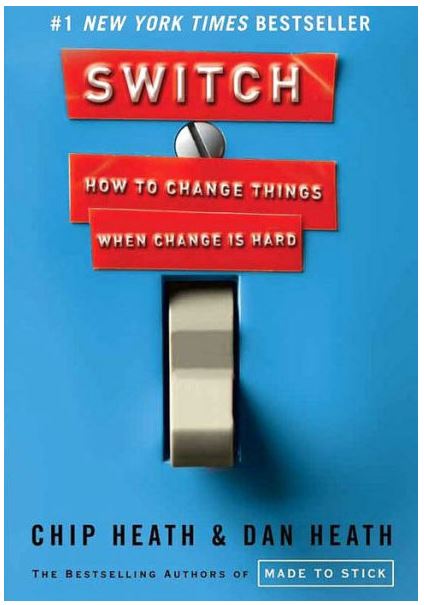 Despite the clear benefits of an interdisciplinary approach to health and education, change is difficult. The difficulty inherent in change brought to my mind the ideas I recently encountered in “Switch: How to Change Things When Change Is Hard.”
In this book, authors Chip and Dan Heath use the simple metaphor of an elephant and rider to explain the complex nature of institutional and behavioral change. Leaders can make lasting change when they weigh the emotions — the elephant — and the rational side — the rider — of individuals and groups, while simultaneously adjusting the environment to make change manageable.
Many advocates, researchers and practitioners at the conference were doing just that — directing the rider, motivating the elephant and shaping the path for the health care sector to improve childhood outcomes.
Directing the rider
Often in institutional change efforts, directing the rider, or the rational side of individuals, is not an easy task. Despite best intentions, individuals and institutions often fall prey to the comfortable feelings of old practices, leading to inconsistent implementation and disconnected work. At the conference, Dr. Allison Metz from the National Implementation Research Network highlighted that while many programs use research and evidence best practices, these practices are often not implemented with the consistency needed to sustain and spread them. In our metaphor, this challenge is a classic disagreement between elephant and rider, with the elephant making it difficult for the rider to follow the correct path.
To manage large-scale change efforts, Dr. Metz encouraged participants to follow what the Heath brothers call “script[ing] the critical moves,” or planning the necessary steps. For example, HealthySteps, an evidence-based primary care program, uses this kind of script to set up successful collaboration with other organizations. When a health institution is interested in working with HealthySteps, it’s given a readiness assessment that outlines small behavioral changes needed to successfully use HealthySteps’ programming.
Scripting these critical moves through the assessment helps organizations diagnosis current challenges and determine how to put new practices into place. It also helps organizations think in terms of specific behavioral changes. Who do we need to involve in determining if this programming is a good fit? What behavioral shifts do we need to make to ensure the program enhances current work rather than diminishing it?
 Motivating the elephant
Although planning is crucial, the Heath brothers share, “In highly successful change efforts, people find ways to help others see the problems or solutions in ways that influence emotions, not just thought.” And that is exactly what advocates from Reach Out and Read did at the conference when they shared a video of a family making a routine pediatric visit for their 11-month-old baby. While the father and siblings took turns reading to the youngest, the room — filled with researchers, economists and health care professionals — could not restrain their “Oohs” and “How cute” comments. In other words, “Find the feeling.” Making sure people know something, like the benefits of integrating health and early literacy, isn’t enough to cause change. People must also feel something.
Directing the path
Scaling and sustaining consistent behavior changes requires what the Heath brothers call “rallying the herd” and “tweaking the environment.” In that same spirit, advocates from Reach Out and Read stressed the importance of having a medical champion. Behavior is contagious, and the more a medical partner “rallied the herd” or championed the benefits of the Reach Out and Read program, the more others took up the mantle. Instead of viewing talking to parents about reading aloud to their children as just another item to cover in an already tightly scheduled visit, pediatricians began to see it as an integral part of their work.
Not only does directing the path to results require a champion, it also requires an implementation leader or team — an individual or group that can see what small shifts in the environment could best support the change effort. This team might ask: What are the biggest challenges to consistency? What shifts in the environment need to be made to build practitioner buy-in? What processes and communications are needed to sustain change?
Every child deserves to grow up in a language- and literacy-rich environment. The long-term benefits for children in poverty are immense. To close disparity gaps and reach every child, our individual and institutional change efforts must engage the heads and hearts of those working with families and children ages 0 to 5 and develop a path to achieve that ambitious goal.
The post The elephant and the rider: Supporting change to connect health and education appeared first on StriveTogether.
]]>The post Closing gaps in health outcomes for mothers and children of color appeared first on StriveTogether.
]]> The article came to mind last month while I attended the 2018 CityMatCH Leadership & MCH Epidemiology conference, Partnering with Purpose: Data, Programs and Policies for Healthy Mothers, Children and Families. Health practitioners and researchers presented evidence-based public health programs and innovative strategies to promote and improve the health of women, children and families. They also shared ideas for how to advance racial equity in the health sector at a greater scale.
The problem
During each session at the conference, I found myself inundated and incensed by the same information in Villarosa’s article:
- “The Centers for Disease Control and Prevention (CDC) notes that from 2011 to 2015, the percentage of women who initiated breastfeeding was 64.3 percent for African American, 81.5 percent for whites and 81.9 percent for Hispanics.”
- “Black infants in America are now more than twice as likely to die as white infants —11.3 per 1,000 black babies, compared with 4.9 per 1,000 white babies.”
- “Black women are three to four times as likely to die from pregnancy-related causes as their white counterparts, according to the CDC.”
- “Education and income offer little protection. In fact, a Black woman with an advanced degree is more likely to lose her baby than a white woman with less than an eighth-grade education.”
Such health outcomes are frightening for Black mothers and their children, but the disparities also persist for other minority groups. For example, according to the U.S. Department of Health and Human Services Office of Minority Health, American Indian/Alaska Native mothers are 2.5 times as likely to receive late or no prenatal care as compared to non-Hispanic white mothers, and their babies are twice as likely as non-Hispanic white babies to die from sudden infant death syndrome (SIDS).
Practitioners and researchers at the conference offered a long history of the debates over why such a minority-white divide exists in maternal health, infant birth weight, breastfeeding and mother/child mortality rates. The moral call to act — to engage those who experience the disparate outcome and cross-sector partners, to implement tiered systems-level interventions in the fight to eliminate racial disparities in maternal and infant health — was resounding.
Two key insights emerged for me during the conference:
 Community-engaged partnerships are central to making a difference. Often initiatives to improve Native American maternal and children’s health (MCH) populations have only included the voice of health practitioners and health departments. Renee Lawson, pediatric clinic supervisor at Wind River Family Community Health Care Center, suggests addressing historical injustices and gaps in these populations. Tribes must be integrated into the U.S. public health system through effective partnerships with state health departments, community organizations and tribal-serving agencies. Using an inclusive collaborative model, partnerships among the Wind River Family and Community Health Care Center, Sage West and the Wyoming Department of Health led to changes to improve community infant mortality rates. One shift included client-centered reproductive health discussion in clinics. This approach focused on thinking about pregnancy planning and/or prevention based on client desires; respecting the ambivalence that Native women may experience when in contact with health professionals; and training providers on preconceptions about Native American health and patients as well as culturally respectful contraceptive counseling.
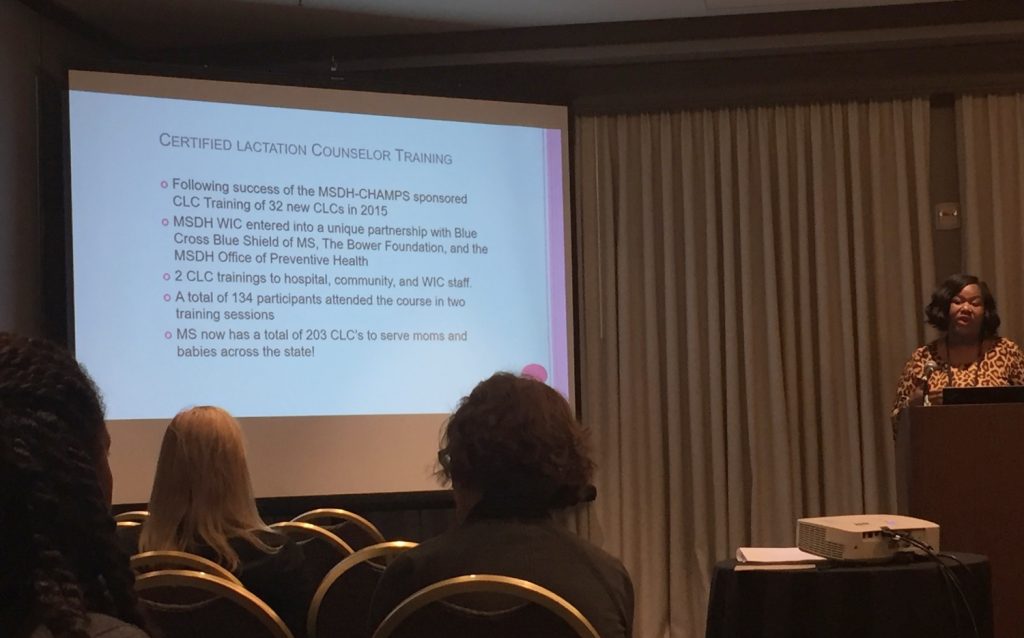
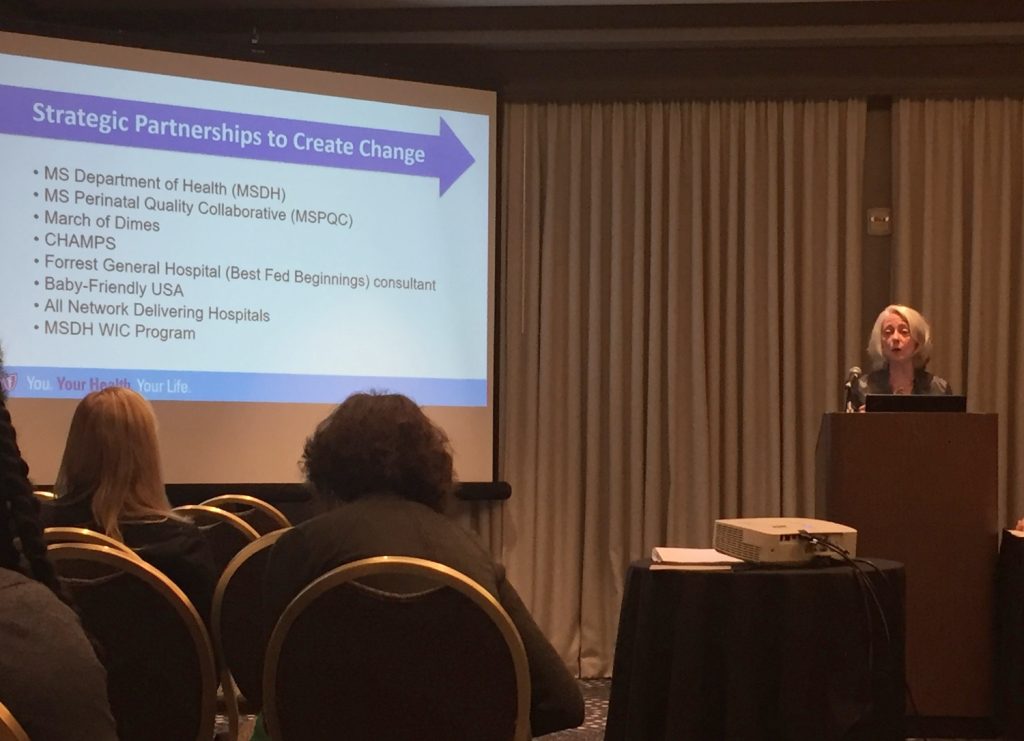
Gaps in health outcomes for mothers and children of color require interventions at various levels of the system. To be effective in this work, panelists at this year’s conference also encouraged every community to carry the right mix of practices, programs and policies at the state and local level to support vulnerable communities. For example, despite the many benefits of breastfeeding in maternal and child health, African-Americans mothers have the lowest rates. Some recommended solutions include increasing the number of hospitals becoming baby friendly with nearly all of the state’s hospitals entering the Baby Friendly Pathway; expanding the Baby Cafe community supporting breastfeeding practices; increasing health insurance coverage of breastfeeding resources; and transforming Women, Infant, and Children Food and Nutrition Services (WIC) programs from not only serving recipients to providing support to every woman through hospital and community partnerships. In Mississippi, connections among a host of different groups — the State Department of Health, the Mississippi Perinatal Quality Collaborative, Blue Cross and Blue Shield of Mississippi, the Baby Cafe USA organization, statewide policymakers and mothers — have all contributed to this unprecedented change in the landscape of breastfeeding.
For any family supporting a woman who is carrying or having a child, it can be a turbulent and joyful journey. For women of color and their families, who face what could appear as insurmountable disparate outcomes in the maternal and child health space, the journey seems even more daunting.
Villarosa wrote in her article, “For Black women in America, an inescapable atmosphere of societal and systemic racism can create a kind of toxic physiological stress, resulting in conditions — including hypertension and pre-eclampsia — that lead directly to higher rates of infant and maternal death. And that societal racism is further expressed in a pervasive, longstanding racial bias in health care — including the dismissal of legitimate concerns and symptoms — that can help explain poor birth outcomes even in the case of Black women with the most advantages.”
Despite those seemingly intractable barriers, as an African-American woman and soon-to-be mother, I left the CityMatCH conference encouraged by the outrage of others in attendance. And in their outrage, they were collectively engaging and working at various levels of state and local health systems to improve outcomes for women who look like me and their children.
The post Closing gaps in health outcomes for mothers and children of color appeared first on StriveTogether.
]]>The post Equity Summit addresses complexities of racial exclusion and disparities appeared first on StriveTogether.
]]>The work of advocates, leaders and practitioners at the summit echoed a blog post by Timothy Shanahan, distinguished professor emeritus at the University of Illinois at Chicago. Shanahan’s blog explores the complex reasons students have trouble learning to read, comparing tackling literacy challenges to the process of treating disease.
Shanahan draws insight from a piece by renowned author Malcolm Gladwell about the discovery of new drugs. In the early 20th century, “microbe hunters” worked to find “silver bullet remedies…the one chemical that will kill off a disease.” While penicillin was a solution for simple bacterial infections, diseases like leukemia or tuberculous do not have silver bullet remedies, Gladwell explains. When treated with just one chemical, these diseases “reconstitute and continue to ravage the patient.”
Scientists learned that attacking those diseases multiple ways made it harder for the disease to respond, which led to better recovery for the patient. Similarly, Shanahan connects, keeping the disease of poverty or illiteracy from “reconstituting” requires multiple solutions: intervening with better schools, safer neighborhoods, health care and employment.
For leaders and practitioners at the Equity Summit, this is not a new concept. “Multiple solutions to a single complex problem” sounds like the right mix of antidotes for not only school failure, as Shanahan suggests, but also tackling the exclusion of marginalized groups in other sectors.
At this year’s Equity Summit, advocates for equitable transit, debt reform and consumer protection, public housing, decriminalizing poverty and ending profiteering in the justice system shared how they are remedying the disease of exclusion and advancing racial and economic equity by keeping two antidotes in mind.
Name your target population by looking at data.
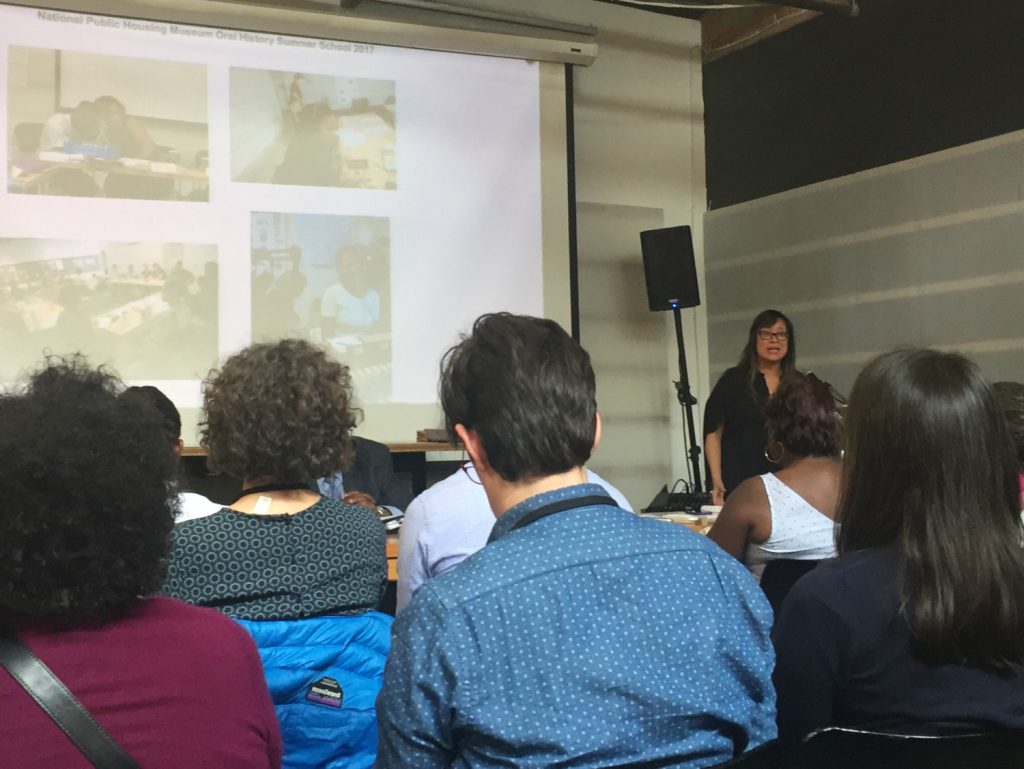 Leaders and practitioners from the National Consumer Law Center and the Center for Responsible Lending presented compelling evidence on the ballooning personal debt crisis and predatory lending practices and their disproportionate impact on people of color and low-income people. People of color and low-income people were found to borrow at higher rates with greater frequency than other races and ethnicities. Compounded by wage and employment discrimination, as well as disparate college preparation programs, students of color and low-income students face an enormous battle to end the cycle of debt.
Equity Summit speakers on a panel called “Growing the Movement for Debt Reform and Consumer Protection” did not shy away from naming race barriers as part of the scope of their work, discussing strategies to “promote consumer justice and economic security” specifically for black and brown people.
Create multiple solutions at the state and local level.
To be effective in this work, panelists at this year’s summit also encouraged every community to carry the right mix of practices, programs and policies at the state and local level to support vulnerable communities. For example, moderator and panelist Alexandra Bastien’s research on “Ending the Debt Trap: Strategies to Stop the Abuse of Court-Imposed Fines and Fees” outlined a mix of remedies to address the disease of unjustifiable fines and fees and its impact on low-income people and people of color. Some of those solutions both big and small included eliminating excessive court fees, ending driver’s license suspensions for nonpayment and standardizing court practices. Determining a low-income defendant’s ability to pay court-ordered fines and fees should use a uniform standard applied to all defendants within a jurisdiction and across a state.
Throughout the summit, I was stunned by the disease of exclusion’s far-reaching consequences. Their permeation in housing, access to transportation and criminal justice have manifested in the education and wealth gap. While the work of each sector can sometimes seem meaningless given the complexity of racial exclusion, I saw the complete opposite at the summit. Advocates took on Shanahan’s tenor of taking action now. While he supports renewed efforts to improve the lives of children most impacted by poverty, Shanahan recognizes that literacy instruction is still an essential piece to the puzzle regardless of whether other sectors change.
“Teachers can’t wait until other conditions improve. They have to teach their hearts out now,” Shanahan says. Advocates in public health can’t wait for conditions in education to improve; they are transforming public housing now with an emphasis on creating mixed and affordable housing. Advocates tackling the debt crisis can’t wait for conditions in education to improve; they are working at the federal and state level to codify and enforce consumer protection laws. If we want the disease of racial exclusion to stop reconstituting, we must employ multiple solutions: intervening with better schools, safer neighborhoods, healthcare, employment and more – and we need to begin now.
The post Equity Summit addresses complexities of racial exclusion and disparities appeared first on StriveTogether.
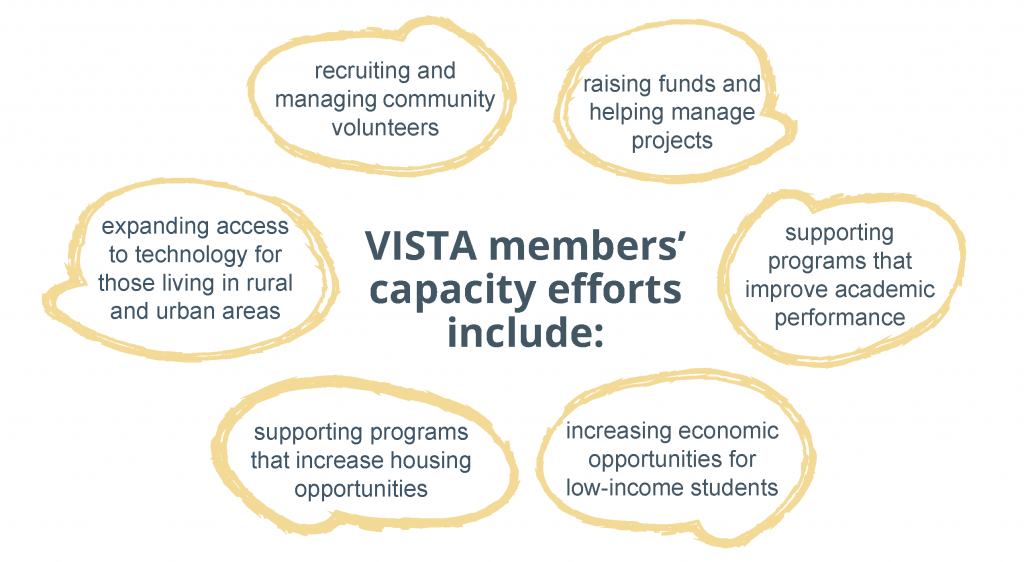
]]>The post AmeriCorps VISTA members build capacity with StriveTogether partners appeared first on StriveTogether.
]]>
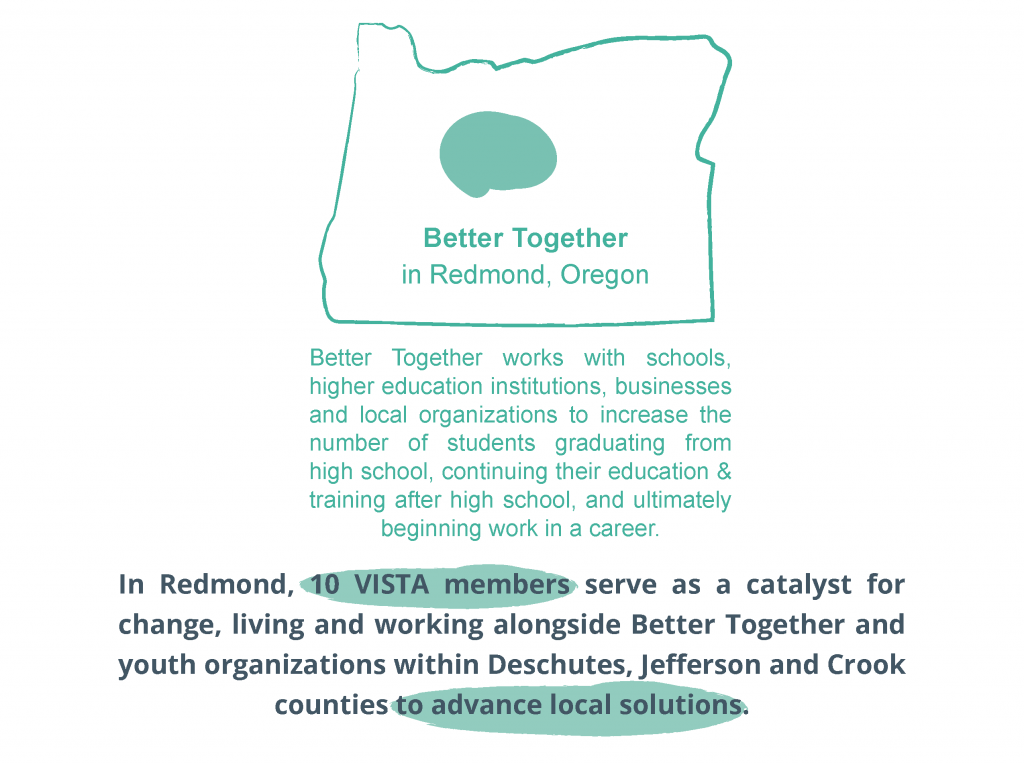
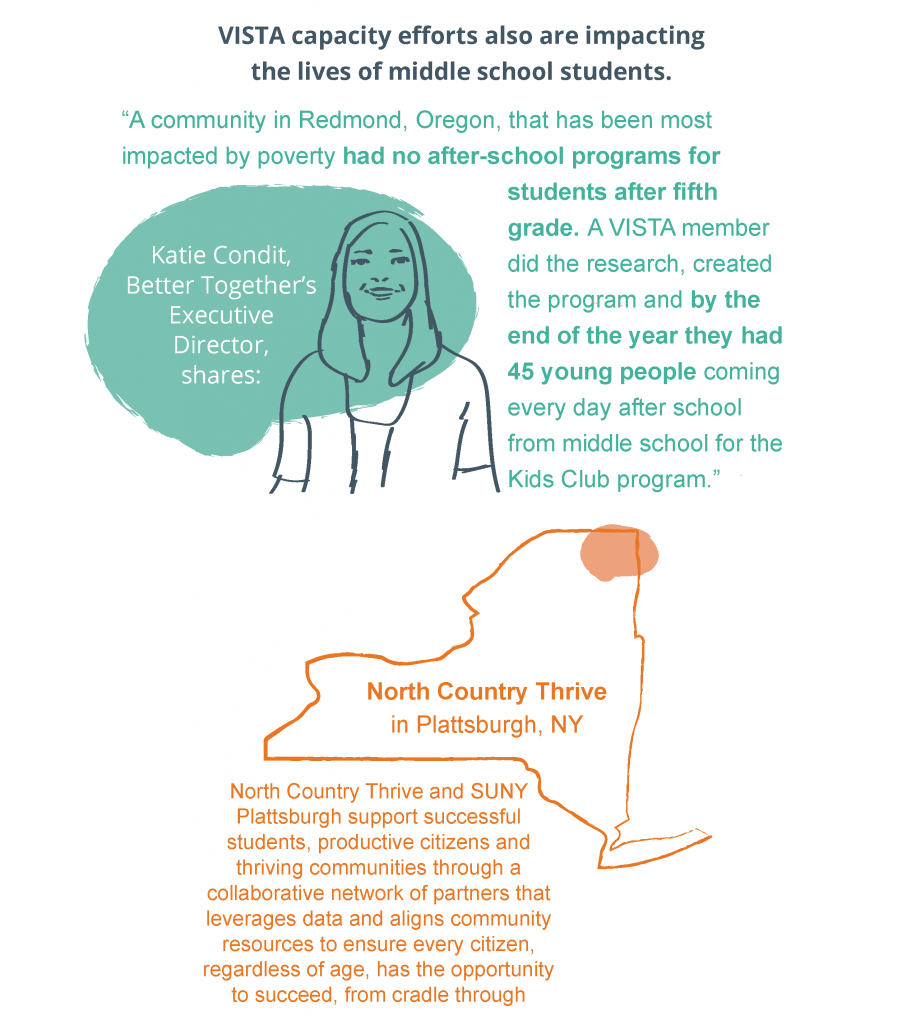
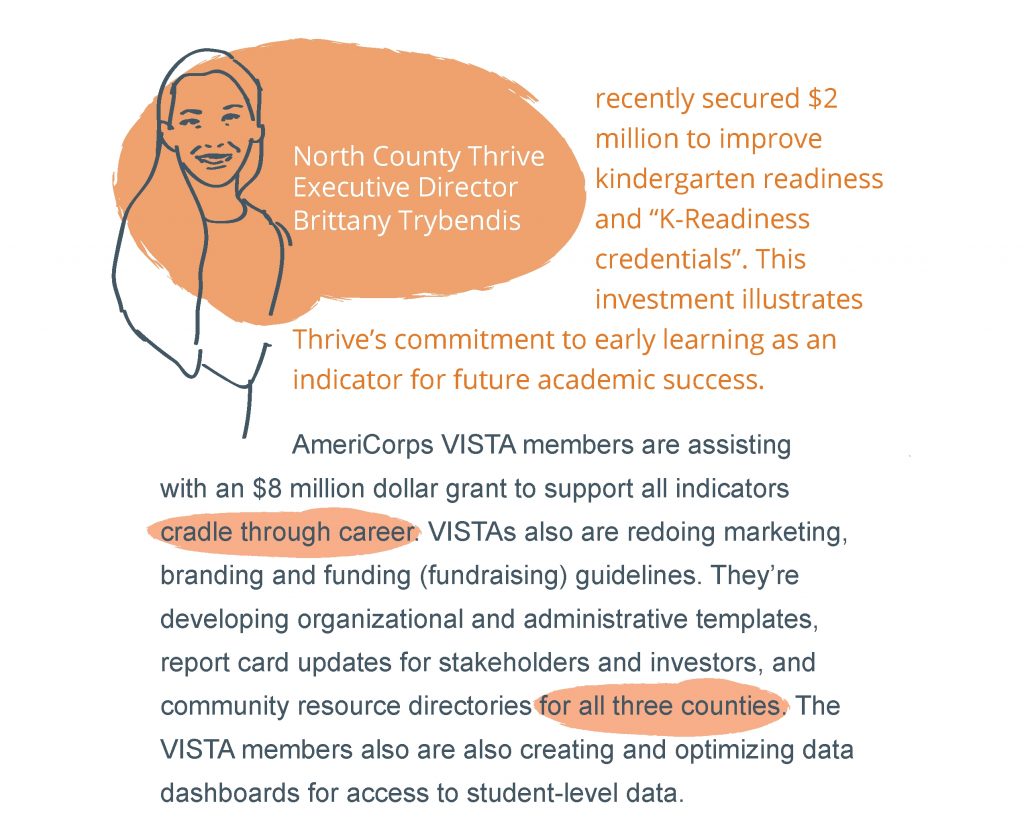
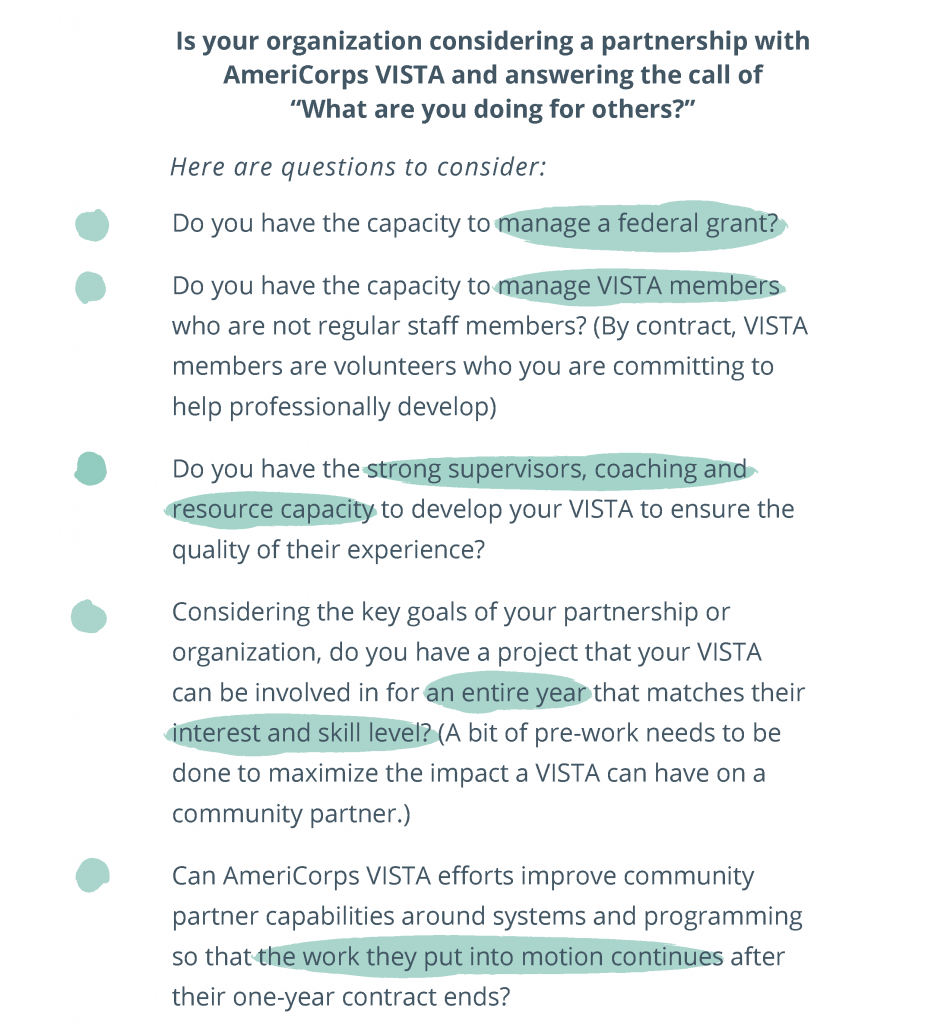
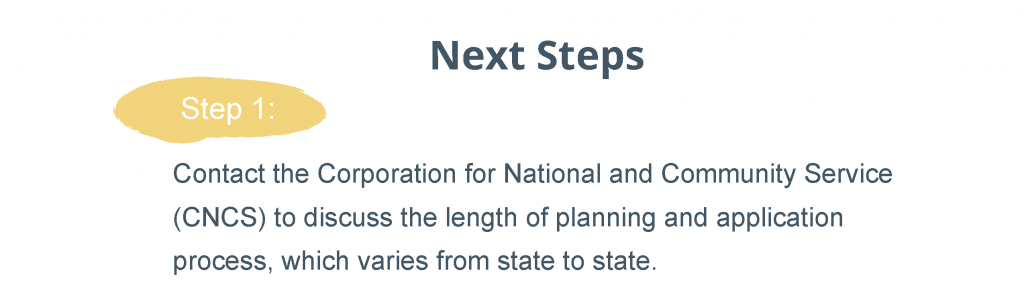
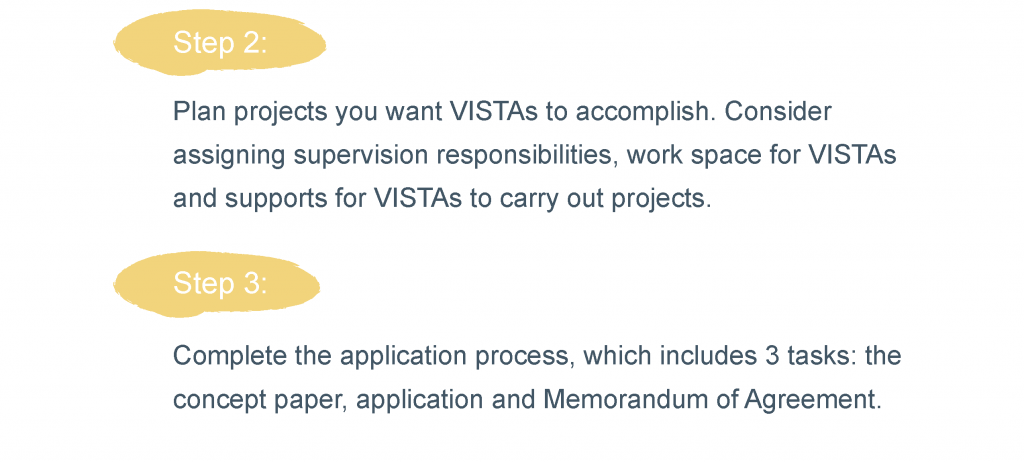
 Design and artwork by Tabitha Jordan-Nichols, StriveTogether’s graphic design co-op. Tabitha is a second-year student at the University of Cincinnati’s College of Design, Architecture, Art and Planning (DAAP), where she is majoring in communication design. View more of Tabitha’s work at www.tabithajordannichols.com.
The post AmeriCorps VISTA members build capacity with StriveTogether partners appeared first on StriveTogether.
]]>The post ‘The Color of Law’ uncovers causes of housing segregation appeared first on StriveTogether.
]]> Most of my adult life, I’ve heard residential segregation is the result of the private prejudices of homebuyers, realtors and lenders. This common but false narrative is even accepted by judges, most policymakers and both liberals and conservatives. I’ve gained a different perspective after reading “The Color of Law: A Forgotten History of How Our Government Segregated America” by Richard Rothstein. The accepted myth of private prejudices, he argues, ignores the history of federal, state and local laws and policies that mandated the discriminatory patterns that continue to this day.
Rothstein chronicles the U.S. government’s failure to protect African-American rights under the Fair Housing Act as well under the Constitution. It began in the 1920s, when the federal government administered Federal Housing Authority-backed loans to developers building segregated public housing. In the 1940s and 1950s, the federal government authorized exclusionary zoning laws for newly developed suburbs. Also, during this time nonprofits including churches, hospitals and universities were allowed to maintain their tax-exempt status despite promoting unconstitutional restrictive covenants.
At the state and local level, real estate commissions ignored the Buchanan vs. Warley court decision on the unconstitutionality of redlining and racial zoning. State courts ordered the eviction of African-American homeowners in neighborhoods with restrictive covenants. Local police did little to restrain the mob violence that erupted when African-Americans moved into white neighborhoods.
Present-day disparities in wealth and income between African-American and white households also can also be attributed to unconstitutional federal housing. Many African-American families could afford homes in the suburban subdivisions that were developed post-World War II, but they were prevented from doing so because of their race. I think that bears repeating — they had the money, but they weren’t allowed to buy homes and build wealth because of their skin color. Instead, they were forced to live in apartments or accept contract arrangements with inflated monthly payments. Meanwhile, white families have accumulated wealth through generations of homeownership and home equity.
Unfortunately, these pernicious practices have more far-reaching consequences. Current gaps in academic achievement have their roots in housing segregation. School boards in the 1920s and 1930s drew boundaries to ensure separation of African-American and white students. Despite Brown v. Board of Education, states and local governments shirked their constitutional duty. They intentionally drew school boundary lines to avoid integration, often leaving schools in African-American neighborhoods without adequate resources.
“We have created a caste system in this country, with African-Americans kept exploited and geographically separate by racially explicit government policies,” Rothstein writes. “Although most of these policies are now off the books, they have never been remedied and their effects endure.”
Rothstein suggests that the aggressive systematic violation of African-American constitutional rights requires an equally aggressive constitutional remedy. The federal government could:
- Withhold mortgage interest and property tax deductions from those living in neighborhoods that do not make progress toward racial and economic integration
- Buy a percentage of the houses that come up for sale in segregated suburban developments and resell them to African-American buyers for a price below the current market value
- Provide federal subsidies for middle-class African-Americans to purchase homes in suburbs that were once racially exclusive
- Require local housing authorities to establish a preference for tenants who volunteer to use their section 8 benefits to find apartments in integrated, low-poverty neighborhoods
In our current divisive political climate, state and local efforts might be more feasible. Consider how your community is:
- Protecting affordable housing units in new developments and gentrified communities
- Dismantling “exclusionary zoning” in urban areas, which would eliminate minimum square footage requirements for the development of smaller affordable housing units
- Increasing the value of housing choice vouchers for low-income families to rent quality housing in affluent neighborhoods in the private market
- Extending property tax reductions to landlords in low-poverty neighborhoods who rent to voucher holders
- Supporting initiatives for revitalizing low-income communities
I highly recommend Rothstein’s book if you are interested in learning more about the true causes of the housing segregation still plaguing cities like Chicago today.
The post ‘The Color of Law’ uncovers causes of housing segregation appeared first on StriveTogether.
]]>The post In Waterbury, Bridge to Success focuses on equity and family engagement appeared first on StriveTogether.
]]>Bridge to Success in Waterbury, Connecticut, strives to uphold those voices, believing that family engagement is essential to educational and racial equity. When parents are engaged and listened to as active partners, students reach their full academic potential. Bridge to Success starts with both students and parents at the center of their work as co-contributors in shaping and shifting policies and programs, instead of bringing parents on board after the fact.
Althea M. Brooks
Despite growth in overall graduation rates in Waterbury, the achievement gaps between White, Black and Brown children persist. Demographic shifts have changed Waterbury from a predominately White working-class community to a burgeoning Latino and African-American population. Bridge to Success and its new Executive Director Althea M. Brooks recognize that policies, practices and beliefs of the community have not shifted at the rate of demographic changes, leaving behind many students and parents.
In the current divisive political climate, much of our public discourse on the issues of race and demographic changes are reduced to bitter criticism without a historical lens of the weight of racial inequity. Bridge to Success is committed to peeling back the layers of the onion of racial equity and providing a sacred space for students as well as parents to call out inequities and propose solutions.
Call out racial equity
Chemay Morales-James
Explicitly talking about racial inequity has been a provocative subject on the national level and even more so for Waterbury’s small local community. “When we talk about equity, we are talking about racial equity,” says Chemay Morales-James, Bridge to Success’ boost coordinator. “What was so important for me walking in the door was why this wasn’t central to all of the work? You can’t do any of this work in a community like Waterbury without equity being at the center. Equity and family/parent engagement have to be at the center and not on the periphery.”
Bridge to Success and its race equity partners support building the capacity and capability of schools to consider equity in their work. They challenge education practitioners to examine the impact of racial identity development and to recognize how children’s cultural development influences their academic performance and behavior. One partner, the Waterbury Public Schools system, has prioritized listening to voices of parents and students in the process of addressing inequities.
“Admitting that equity has to be at the center and tangibly moving forward in that direction is the biggest hurdle that systems can overcome, and now [Bridge to Success] is doing that,” Brook says. “Our Equity Matterz Think Tank and collaborative action networks [will] serve as the training and informing arm for our schools, parents and partners.”
Create a platform for parent and student voices
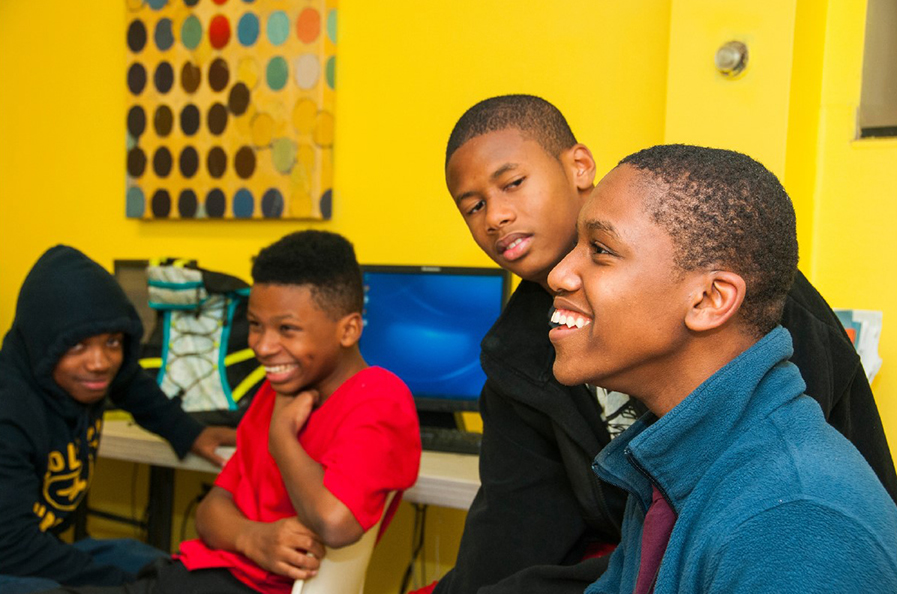
To move toward equity, parents, community leaders and educators should have conversations about how perceptions around race shape interactions in schools. To discuss racism and bias in public schooling, a two-day conference was recently convened with parents, students, educators and community leaders to discuss racism and bias in public schooling. It was Radical Advocates for Cross-Cultural Education (R.A.C.C.E.), My Reflection Matters and Lotus Counseling of Connecticut in partnership with the William Caspar Graustein Memorial Fund. Morales-James shared that many of those who convened are individuals “who for a long time have been silenced or who have felt fearful to say the truth [about inequity].” At the conference, she says, they felt a sense of relief at having a space to voice inequities experienced and witnessed in their interactions with schools.
Sessions were led with the belief that we should not “pathologize groups” by making generalized assumptions about race. Topics included mitigating high suspension rates among African-American and Latino students; employing mindfulness and yoga strategies for parents and schools as alternative options; dissecting trauma and its impact on education outcomes for Black and Brown students; and uplifting parent concerns. These types of community conversations are exactly what Brooks and Morales-James envision Bridge to Success will be participating in and leading as they continue bringing equity to the forefront of their community-based work.

Shape goals and strategies around parent and student concerns
Bridge to Success encourages communities to look beyond whole-populations results to see the story underneath. “Yes, we’ve moved the needle — graduation rates are getting better as a whole, but what do these number mean for diverse groups of students? How does that number look in comparison to Black or Latino students? The whole number is not enough to tell us if we are equitably meeting the needs of children and their parents,” Morales-James says. Although uncomfortable, the true equity work begins when onion layers are peeled back and the data underneath reveals inequities in performance among various racial groups.
Once the data is brought to light, collaborative action goals and strategies should be redefined. “Peeling the onion back on the data means our strategies and interventions will be different in our community, it will be different from group to group; then we can be clear about what our target goals are for those parents and students,” Brooks says.
The saying “a rising tide lifts all boats,” or broad interventions and strategies work for everyone, doesn’t fare in Bridge to Success’ plans for 2018. These plans start with student-level, quantitative data and qualitative data gleaned from students and parents during earlier focus groups and surveys, where they voiced concern over unwelcoming school communities and biased attitudes toward them as parents of color. Now, Bridge to Success is starting its targeted intervention and strategies with parents instead of teachers. “The heart of our work needs to center around parents and families, and we are putting them first,” Morales-James says.
Putting racial equity and parent engagement at the forefront changes the direction of an organization. Parents and students who feel the brunt of inequity the most are ready to be active participants. They’re asked to voice their concerns and are supported by a community as they navigate the Waterbury education system and advocate for their children.
The post In Waterbury, Bridge to Success focuses on equity and family engagement appeared first on StriveTogether.
]]>The post Across Racine County, outcomes are improving and systems are changing appeared first on StriveTogether.
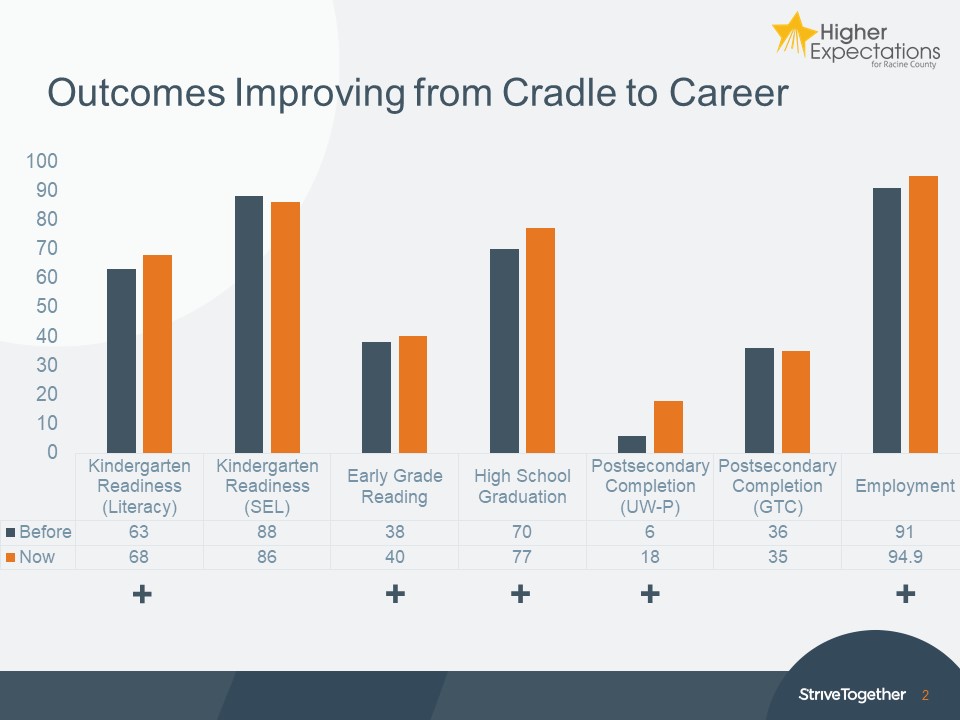
]]>Aligning partners around a shared result: Higher Expectations and its partners have aligned their work around a fully capable and employed Racine County workforce in policy and practice. United Way of Racine County (UWRC) aligns all funding decisions to this vision, and Racine Unified School District (RUSD) launched its “North Star,” a vision of “all students graduating prepared for college and/or career.” Recognition from Ford Next Generation Learning highlights RUSD in collaboration with Higher Expectations efforts to develop a collaborative structure that supports community engagement in schools. Higher Expectations also has engaged more than 91 employers in the Academies of Racine, which provides students with opportunities to gain skills needed for a 21st century workforce.
“I’ve now lived in four different communities, but have never seen a community as well aligned on a single focus, a real purpose of preparing [young people] for careers. [Higher Expectations’] work resonated strongly with me,” said Chad Severson, InSinkErator CEO and a Higher Expectations leadership table member.
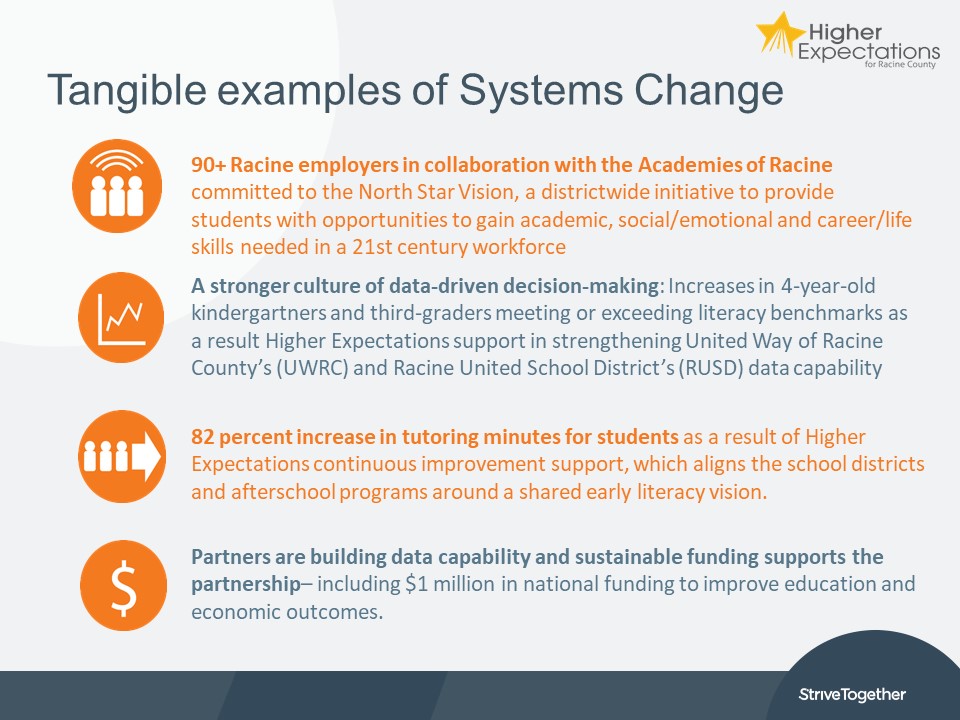
Building a culture of data-driven decision-making: Employing tools from the StriveTogether Leadership Program and the Tableau Fellowship, Higher Expectations has strengthened the capability of United Way of Racine County (UWRC) and Racine Unified School District (RUSD) to refine and disaggregate student-level data, set literacy achievement goals and assess and monitor programmatic impact through continuous improvement.
RUSD has seen a 5 percent increase in 4-year-old kindergartners meeting or exceeding spring literacy development and a 2.7 percent increase in the number of third-graders achieving or exceeding the spring national literacy benchmark for the Measure of Academic Progress (MAP) assessment.
District administrators described the power of using data for improvement after seeing 80 percent of classrooms with teachers participating in district training achieving higher reading growth than the median high-poverty, first-grade classes districtwide.
“Higher Expectations’ data support has taken the fear out of continuous improvement for teachers,” said Janell Decker, Racine Unified School District assistant director of curriculum and instruction. “Teachers in the literacy instruction cohort are collecting and looking at data daily, and meeting monthly to see what the data is telling us. Is this literacy intervention working? If not, then it is fun to theorize around why. Teachers go and research, and we think about how to support in better ways.”
Other achievements include:
- Higher Expectations Data Manager Matt Snyder supported United Way of Racine County (UWRC) in tracking weekly “minutes data” for the Schools of Hope Tutoring program. As a result, UWRC each week identified and supported students who were at risk of not meeting the 1,800-minute goal (a goal set by analyzing best practice research from other tutoring programs). In the 2016-2017 academic year, there was an 82 percent increase in the number of tutoring minutes students received because of weekly data analysis and strategy changes in real time.
- Higher Expectations and RUSD used national research and local data to make the case for expanding access to full-day, 4-year-old kindergarten (4K) in Racine. RUSD increased the number of full-day 4K classes from 0 to 10 in three years. The district prioritized expansion to Title I schools, recognizing the need to support low-income students. This represents a $1 million commitment to expanding high-quality early learning programs.
Building and investing in capability and staff to get results: Partners consistently build capability and staff are supported with sustainable funding to implement the evolving partnership strategy.
Higher Expectations has played a significant role in building the capability of partners across Racine County, including hiring and coaching new data support; Results Count leadership development for cross-sector teams working on five outcomes; and advocacy and policy.
After having the opportunity to have her own capabilities built, Racine County’s Human Services Director Hope Otto identified opportunities to spread Results Count skills and competencies across the agency to better address the skill shortage among Racine county residents.
“The A3, B/ART (boundaries of authority, role, task) and other results-based leadership tools has paid dividends. The A3 tool helped narrow the focus, so we could see what to work on. Now we are seeing triple the number of GEDs (general equivalency diplomas),” Otto said.
Higher Expectations has multiple years of sustainable funding, including multi-year funding commitments from local employers and public institutions with $1 million in national funding to support improving education and workforce outcomes for Racine County.
The post Across Racine County, outcomes are improving and systems are changing appeared first on StriveTogether.
]]>The post Expand your reach: Mission: Graduate supports adult ‘comebackers’ interested in postsecondary completion appeared first on StriveTogether.
]]>- Where should I attend?
- What should I study?
- Will my major translate into meaning employment after I graduate?
- How will I pay for tuition? Books? Room and board?
- How do I file for student aid? Am I eligible for any grants?
- What about student loans?
Imagine asking these same questions, but your situation is compounded by the financial responsibility of raising a family and you being years removed from a high school classroom and without the support of a college counselor.
Mission: Graduate recognized that to reach its goal of an additional 60,000 degrees and certifications in New Mexico by 2020, the partnership had to expand efforts beyond high school graduates to adults or “comebackers” interested in completing postsecondary degrees and certification programs.
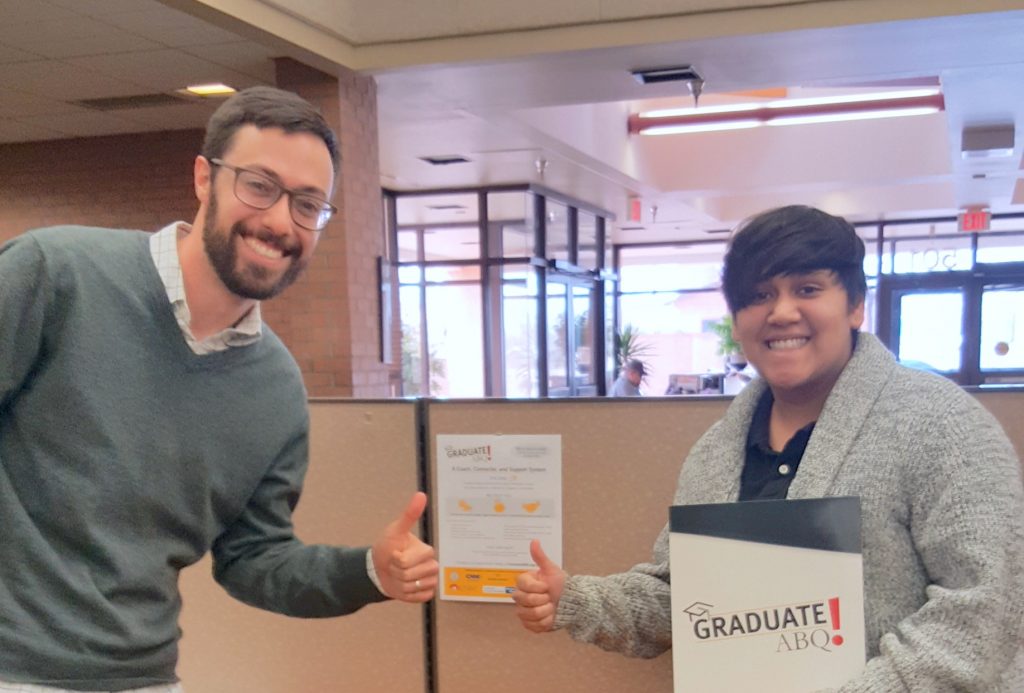
Adopted from The Graduate! Network out of Philadelphia, Graduate! ABQ brought together New Mexico Workforce Connection, Central New Mexico Community College (CNM), the University of New Mexico (UNM), Youth Development, Inc., and the City of Albuquerque to develop an adult student support system to help them get into college, figure out how to pay for it, navigate course offerings, connect course work to available career options in Albuquerque and help make a personal connection with the appropriate person at the college of their choice.
Teri Wimborne, United Way of Central Mexico director of collective impact, and Angelo Gonzales, executive director of Mission: Graduate, challenge those interested in expanding their reach to achieve educational outcomes to:
Commit to your target and population level
- Determine your target and population levels. Who is completing college and who is not for both high school graduates and adults? What is an indicator you can use to measure what success looks like for the target and population level you’ve selected?
- Tailor and market adult student support systems to your most vulnerable populations. Consider how you can use social media campaigns and commercials that market toward re-engaging adults interested in postsecondary completion.
Determine the supports
- Survey adult students who have completed postsecondary programs to ascertain what helped them succeed.
- Provide guidance through a career exploration assessment for those adults unsure about what to study that considers their interest and stackable credentials.
- Ensure your “comebackers” understand the Free Application for Federal Student Aid process and whether they qualify for Pell grants.
- Facilitate a “warm handoff” by connecting adult students to the advisor at the university they have chosen.
- Compile of a list of employment opportunities that are readily available after degree or program completion.
Engage other sectors
- Leverage other partners (postsecondary and religious institutions and workforce programs) to help with outreach efforts and share responsibility for counseling services for adults. Remember, population-level changes cannot be made by a single program or agency.
- Give the work back. Build the capability of other workforce programs through coaching to gradually help them take on this work of walking adults through the college enrollment process.
Future implications
Consider the long-term implications of the Mission: Graduate ABQ! initiative. Postsecondary completion is a critical outcome for educational success. Wimborne shares that workers with at least an associate’s degree can earn more than those with a high school diploma through reverse transfer—a process for awarding associate degrees to students who have transferred to four-year institutions.
A plethora of benefits abound when increasing the number of degreed citizens. College attainment not only increases potential income earnings, but has been linked to improved health, lower criminal behavior and more community involvement. Increasing the number of degreed and certified citizens in Albuquerque will impact the number of people with sustainable jobs. Wimborne recognizes that increasing parental education levels will have a significant impact on their children’s educational attainment. Mission: Graduates extended reach to support not only students navigating the college landscape but their parents is leaving an indelible mark.
The post Expand your reach: Mission: Graduate supports adult ‘comebackers’ interested in postsecondary completion appeared first on StriveTogether.
]]>The post Changemakers encourage using crisis as a catalyst during plenary at 2017 Cradle to Career Network Convening appeared first on StriveTogether.
]]>USA news reports, “1 in 10 schools are dropout factories.”
34 percent enrollment gap in pre-K. 32 percent of all third-graders read at grade level.
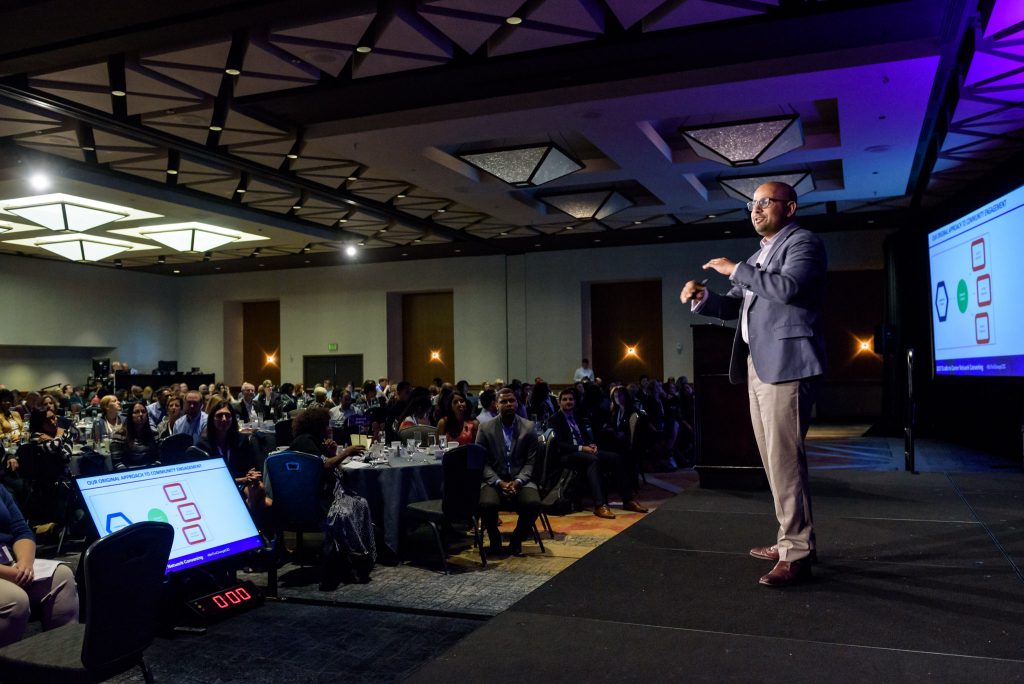
This news can be disheartening for any leader. However, at Be the Change: Getting Results for Every Child, StriveTogether’s 2017 Cradle to Career Network Convening, three changemakers who have made a difference in the lives of children, shared their story of how they used moments of crisis as a catalyst to disrupt inequitable systems and change outcomes for children in their communities.
When calamity occurs, worlds collide. Education practitioners, community leaders, local police enforcement and parents are forced to engage. At this intersection, Michelle Gayles, chief strategy officer at Phoenix Union High School District, encourages leaders to use this moment of crisis as an opportunity for collaboration. Once siloed institutions now can share their stories, raise the conscience of others about the plight facing children and eventually identify strategies for meaningful change.
Intentionality in collaboration is key
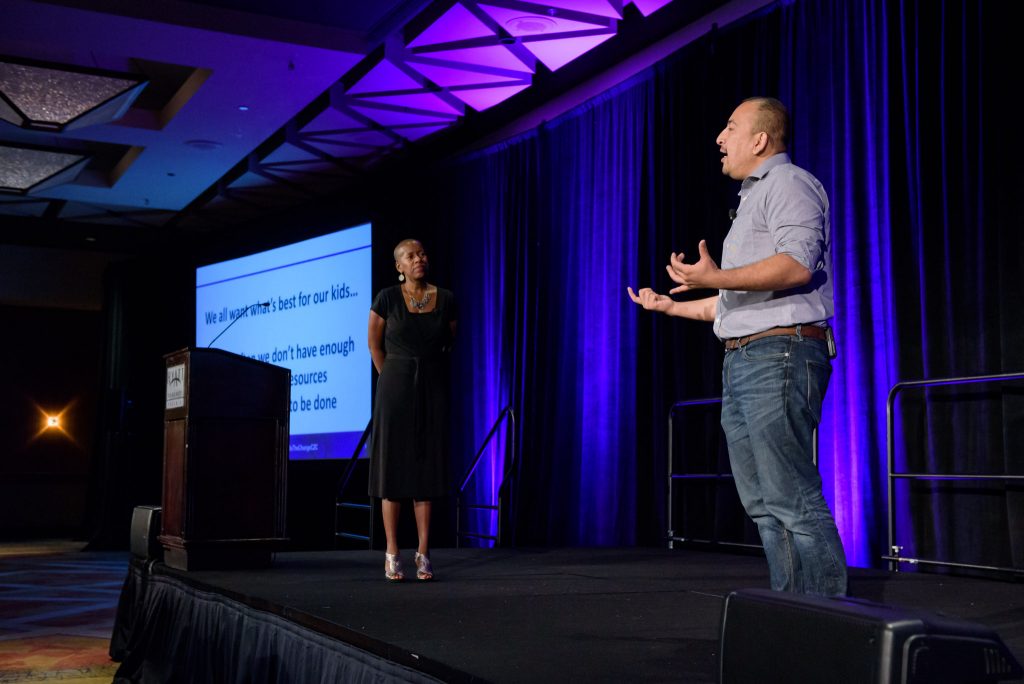
Collaboration is not easy. Changemakers leading collaborative networks must be intentional in the work. Partners of Thriving Together, Michelle Gayles and Joseph Larios, co-founder of the Center for Neighborhood Leadership in Phoenix, Arizona, say intentionality must involve:
- Allowing communities to be vulnerable to present their truth. Understanding and empathizing with complex histories of interaction, such as communities of color and local police departments, is essential for open discourse.
- Stepping into the moment as an institution differently. Facilitate dialogue so people feel they can share and challenge the status quo.
- Identifying what you have and do not have. Determine who is already doing the work and how can you use what you have to disrupt inequitable systems?
- Empowering and uplifting parents as changemakers is a tool to influence change. How are you engaging parents’ voice in systems change work?
Low graduation rate demands a systems disruption
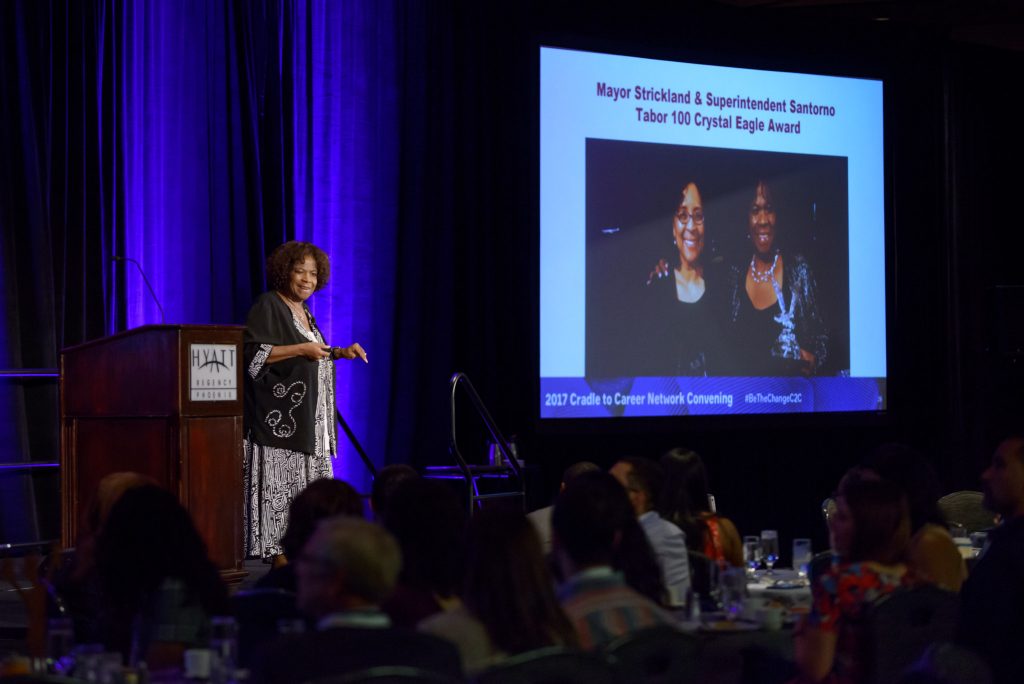
Carla Santorno, superintendent of Tacoma Public Schools, calls out what is at stake when a crisis like low graduation rates become your community’s headline in a major newspaper. The most vulnerable student populations (students of color, English language learners, low-income students and homeless students) are at risk.
In the face of this adversity, Santorno passionately exalts, “Poverty is not destiny.” This changemaker in collaboration with Graduate Tacoma, schools and local partners blew up this systemic crisis in Tacoma by:
- Changing the way school was done. Tacoma incorporated innovative school designs and programs, such as the Whole Child Initiative, STEM (science, technology, engineering and math) and International Baccalaureate.
- Creating a strategic plan in partnership with the community that aligns local partners work with the goals of seeing every student graduate from high school.
- Using data to inform decisions and recognizing that every number represents a child who is the center of the work. To call out indicators that are trending in the right direction means kids are getting a better education.
- Creating a system that changes the way business is done — everything from policy to programs to communication to budgeting.
- Creating benchmarks and criteria that defined the success desired. This creates trust in the system and determines if interventions are working.
Analyze, activate and grow
Sagar Desai, chief operating officer of The Commit Partnership, urged other changemakers at the convening to ask what story is revealed when you break down the numbers of your student population on the education pipeline.
The Commit Partnership shared that a plethora of crisis emerged during its analysis, such as enrollment gaps in kindergarten among racial groups, inadequate quality in early childhood education and teacher prep programs, slides in reading between PK to third grade. Upon deeper reflection, larger issues came to light, such as fragmented systems; lack of alignment among charter, public and nonprofit institutions; misaligned philanthropic dollars; and inefficient policies to address current gaps.
Such a crisis called for activation. The Commit Partnership did the following and encouraged other partnerships in:
- Identifying the crisis and the outcome you want to achieve, whether it’s increasing access, improving quality or ensuring awareness or demand.
- Organizing strategy team, action networks and working teams around data, common goals and strategies.
- Aligning and developing funding to support those initiatives.
- Influencing policy by organizing people to demand for change. For example, partnerships can help organize grass-roots messages that can be sent to lawmakers.
Action commit!
Don’t let crisis go to waste. How are you using the crisis in your local community to drive the changes you need to do this work? How are you organizing people to demand for change? How do you take the turmoil and use it to uplift and empower forgotten change agents like parents and community members?
The post Changemakers encourage using crisis as a catalyst during plenary at 2017 Cradle to Career Network Convening appeared first on StriveTogether.
]]>