The post Connecting families to solutions in Memphis appeared first on StriveTogether.
]]>Through the Prenatal to Age 3 Impact and Improvement Network, I had the opportunity to help impact home visitation in Memphis and Shelby County, Tennessee. The Impact and Improvement Network is a collaboration of communities from across the country building strategies to improve results for families and children aged 0 to 3. To reach more families with our support services, my team has developed a strategy to increase enrollment in the Parent as Teachers program that I manage here at Porter-Leath.
The Parent as Teachers program uses evidence-based curriculum to develop positive parent-child relationships, connects families with community resources and promotes the overall health and wellbeing of the child. |
Here are three of our insights from our work:
To develop solutions, you need to get to the root cause of the issue.
The Parents as Teachers team recruited families, but they weren’t turning those families into clients. Our team created a process map that allowed us to identify roadblocks to enrollment into the program, and this deeper dive showed that some of those barriers came from what we were communicating with families.
The way we talk about our programs and our work matters.
We noticed that some potential clients did not want to enroll in the home visitation program after showing interest during the initial contact, because what they were actually looking for was child care services. To reach the right families, we developed a script to better describe the program with insights and feedback from clients, educators and more.
We shared the new script with staff and affiliates to ensure that everyone was communicating the same information about the program. Now when we first meet with families, everyone understands what we offer.
Changing the way we talked about the program had a big impact. After we implemented the script into our recruitment process, our enrollment numbers increased by 9 percentage points.
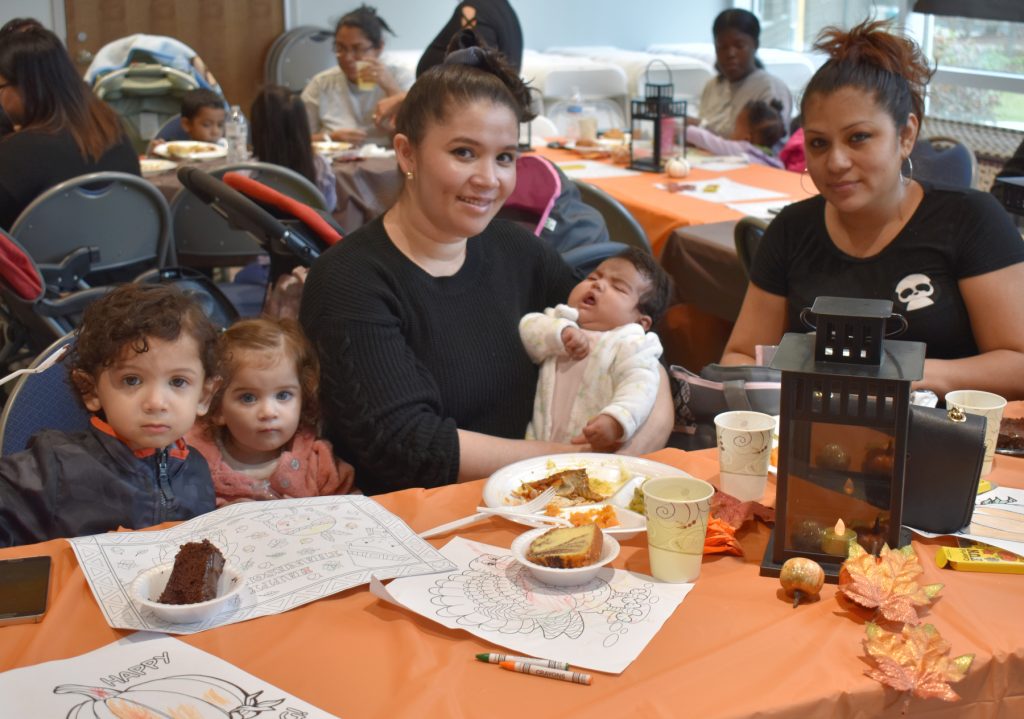
Keeping partners informed about your results can make them excited to make changes, rather than hesitant.
Moving forward, we’re hoping to capitalize on this momentum with other home-visiting programs to ensure that together, we’re reaching as many families as possible. Throughout the process, we kept the full Early Success Coalition, a Shelby County coalition of home-visiting programs, informed on our process and results.
At first, other home visitation programs were hesitant to make changes, because they each have their own process for enrollment. As our enrollment increased, we watched key program staff grow from hesitant to actively interested in going through a similar process in hopes of seeing the same positive change we’re seeing with Parents as Teachers. We’ve already started working with another program to identify key themes to attract new clients by interviewing current clients.
We’re excited for the prospect of improving enrollment rates across home-visiting programs and look forward to continuing to see the positive impact of our time with the Prenatal to Age 3 Impact and Improvement Network. We’re grateful for this opportunity and the incredible impact the work has had on our programs and the families of Memphis.
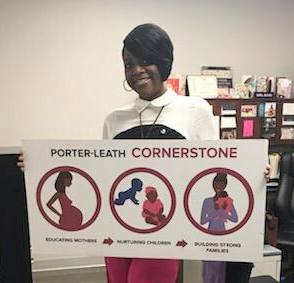 Kimberly Thomas manages the Parents as Teachers program at Porter-Leath, a partner of Cradle to Career Network member Seeding Success. Seeding Success is one of six network members participating in the StriveTogether Prenatal to Age 3 Impact and Improvement Network, in partnership with the National Institute for Children’s Health Quality.
The post Connecting families to solutions in Memphis appeared first on StriveTogether.
]]>The post Government and nonprofits can seed and nurture innovation appeared first on StriveTogether.
]]>Promise Neighborhoods communities share our belief that every child should have the opportunity to succeed in school and in life, regardless of race, zip code or circumstance. The purpose of Promise Neighborhoods is to transform communities to support cradle-to-career solutions and get better results for children and youth. The program is a great example of the federal government seeding an innovative approach for improving outcomes in the nonprofit sector. StriveTogether is proud to partner with PolicyLink, which leads the Promise Neighborhoods Institute, to accelerate the achievement of equitable results for kids and families.
Directors from three Promise Neighborhoods participated on the panel:
- Dreama Gentry, Partners for Education in Appalachian Kentucky
- Richard Raya, Mission Promise Neighborhood in San Francisco
- Sondra Samuels, Northside Achievement Zone in Minneapolis
Dr. Betina Jean-Louis of the Harlem Children’s Zone in New York City also joined us for this discussion, which focused on children in these communities being just as capable of living successful and fulfilling lives as peers from more advantaged backgrounds and communities. But we need to change current systems, practices and policies to support the trajectory of these children toward future opportunities and upward mobility.
The neighborhoods represented by this panel couldn’t have been more diverse. They represent large populations of children from rural, overwhelmingly white to urban, overwhelmingly Latino and urban, overwhelmingly black. The organizations behind these cradle-to-career, cross-sector collective impact approaches have their origins in the sectors of nonprofit, financial and housing assistance, and higher education. Here are four insights they have in common despite these differences:
- Outcomes are impacted by what takes place at school, at home and in communities. Improving student outcomes means intentionally linking the unique needs of children in all settings with all parties who have a contribution to make in this work.
- Stakeholder decision-making must be grounded in data. First, this means data must be accessible to communities and stakeholders at the whole population level and individual level. Also, it must be disaggregated by race and other factors so that inequities can be properly identified.
- Community members and youth must be a part of the solution. Ownership of strategies to transform communities and neighborhoods can only be reached through co-design of solutions.
- Strong school partnerships are essential. Trust and results have to be front and center. Trust is constantly built or broken, and it’s always fluid. Results for every child have to be constantly lifted up and held as the fixture for collective efforts to improve.
The Promise Neighborhoods program infuses millions of dollars over fixed periods of time —typically $30 million over five years — into the most distressed communities across America, with the intention of creating and sustaining cradle-to-career support for children and youth. These grants are ideal seeds of innovation that can be nurtured over time and scaled by neighborhoods that join StriveTogether’s national network after the grant period end. They provide an incredible boost of financial resources and technical assistance for a model collective impact approach that the StriveTogether framework and Cradle to Career Network can sustain over the long term.
Promise Neighborhoods and StriveTogether can serve as an example where government plants the seeds of innovation in a community, and the nonprofit sector cultivates and makes possible the full blossom of sustainability and community transformation.
The post Government and nonprofits can seed and nurture innovation appeared first on StriveTogether.
]]>The post Choose your team wisely: Lessons from building the capabilities of cross-sector leaders appeared first on StriveTogether.
]]>When I was in fourth grade, we played kickball almost every day at recess. There was a boy named Derek who was always picked first; he could kick the ball the farthest. Ashley was picked next as the fastest runner; then Dan, the precision pitcher. Even as 9-year-olds, we intentionally built our teams to achieve our intended result: to win the game! The same intentionality is needed when bringing together local leaders and other community members to collaboratively improve educational outcomes for kids.
Local partnerships across the StriveTogether Cradle to Career Network work hard to ensure the right individuals and organizations are involved in efforts to advance their result: ensuring every child has the opportunities he or she needs to be successful, from cradle to career. The same process applies when communities participate in StriveTogether programs, such as the StriveTogether Leadership Program or Impact and Improvement Networks, which build the capabilities of cross-sector leaders and practitioners.
StriveTogether uses a team-based approach when strengthening professionals’ skills to get better results for kids. This isn’t professional development where participants spend a day watching a PowerPoint presentation and then put the training binder in the bottom desk drawer. Each community selects a cradle-to-career outcome to work on (what StriveTogether calls the team’s “result”), and team members immediately apply the competencies and skills they are learning to improve that result. The work they do in the leadership program or improvement network is intended to be their “real work,” not a side project. That’s why team composition is so important.
Over the past few years, StriveTogether has seen teams excel or struggle in capability-building programs because of their composition. Here are some initial learnings on how to build the most effective cross-sector team to accelerate results for kids:
Each team member should have a clear connection to the result.
Don’t invite Jim to be a part of the team just because you like Jim or because Jim is always involved. If your result is third-grade reading, be clear on what Jim’s specific contribution to early grade literacy is.
This doesn’t mean your team should only include the “usual suspects,” like teachers or principals. For example, The Road Map Project’s StriveTogether Leadership Program team included a representative from its local housing authority. This employee works on educational programs in the housing complexes that are home to many of the students they are trying to support. Work groups in Austin addressing kindergarten readiness had participants from health and mental health organizations so that they were able to address key factors contributing to a child’s development. Involving multiple sectors and organizations will ensure the team is able to leverage a variety of resources, perspectives and strategies. These individuals can work on how they can best align their actions over the course of the leadership program or improvement network.
Nevertheless, you should be able to say, “We are forming a team to work on (this result), and Jim, we would like you be to on the team because (Jim’s direct connection to the result.)”
The team should include individuals with various levels of authority and closeness to the result.
Often when brainstorming potential team members, the first list of names is a “who’s who” of your local education or nonprofit community, such as school district superintendents, executive directors of nonprofits or prominent funders.
These are all important players who will need to be involved in the work, but StriveTogether has found that the most effective teams have representation of both leaders and practitioners.
The reason this combination works is because the team can tackle the work from multiple angles. Often having direct access to kids, practitioners bring unique perspectives about the challenges that need to be solved and are often best -equipped to test changes on the ground. The leaders on the team can help scale and spread effective practices discovered through those small tests but also are engaged in tackling systemic changes needed to improve the result.
You can check if you have representation from multiple levels of the system with a results at the center chart, a Results CountTM tool developed by the Annie E. Casey Foundation. After placing the result in the center of the chart, communities map which stakeholders are involved, organizing them by sector and how close they are to the result. For example, in a K-12 school district, teachers and counselors may be nearer to the result than superintendents because of the nature of their roles. This visual tool allows communities to see where there may be potential gaps based on sector or proximity to the result.
The team should be authorized by the larger community to do this work but also should be prepared to engage the larger community to make it happen.
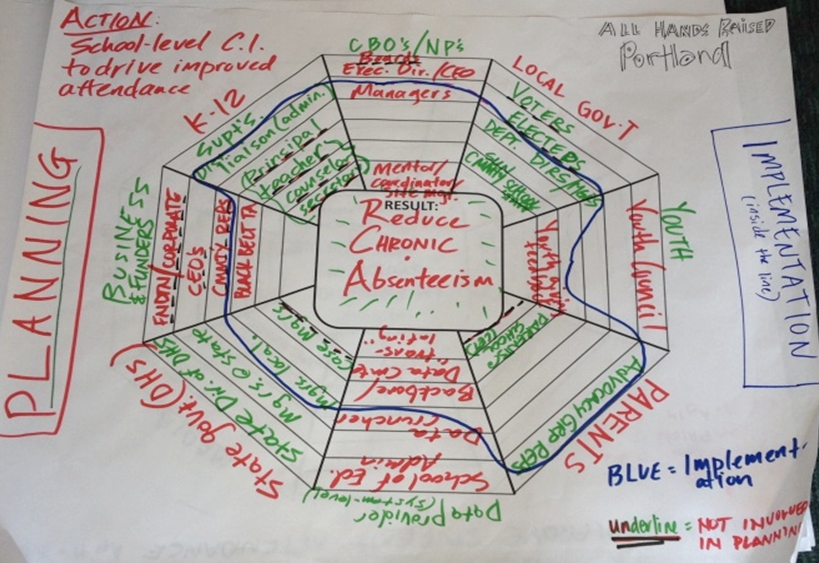
A StriveTogether community maps which stakeholders need to be involved in the planning and implementation of strategies to reduce chronic absence using a results at the center chart.
No one individual can do all that is needed to ensure that every child succeeds from cradle to career, and neither can the four to five individuals who are a part of the leadership program or improvement network team. They will need to build a coalition of changemakers who are ready to work on their result back home, but they also will need approval to be doing the real work in the room during the program or network. It is a tricky balance of ensuring that the broader group of stakeholders are informed and engaged throughout the program while not requiring the team to seek a full committee’s approval on every decision. Have conversations upfront about who really needs to be in the room during program sessions to design solutions versus who will need to authorize the work or give feedback on it along the way. The team must be empowered to lead the charge and trusted to bring the work (as well as competencies and skills) back to the larger community.
The team should be representative of the community it is intended to serve.
StriveTogether believes that efforts to improve educational outcomes must be done with — not for — the children and families being served. The team and the broader coalition should include diverse perspectives and reflect the community in aspects such as race, ethnicity and income. Teams participating in the StriveTogether Leadership Program and Impact and Improvement Networks identify disparity gaps in their communities and set targets for closing them. Achieving those targets requires a deep analysis of what factors are causing the inequities and the thoughtful development of strategies to address them. Having varied backgrounds around the table can combat prevalent assumptions around why disparities exist and spur innovative strategies to create more equitable systems.
Each team member should be motivated to use him or herself as an “instrument of change.”
There is an irony in collective impact that aligned, collaborative action actually requires individuals to make changes that contribute to the result. The team should not perceive themselves as an advisory group that makes a list of things that someone else should do. Each individual team member must be willing to roll up his or her sleeves. That means someone who sounds like they would be a good fit for the team on paper — based on their title or organization — might not be the right candidate if they don’t have the personal motivation to achieve the result. These teams are about moving from talking about the problem to acting on it!
Once the individuals are selected, help them become a team.
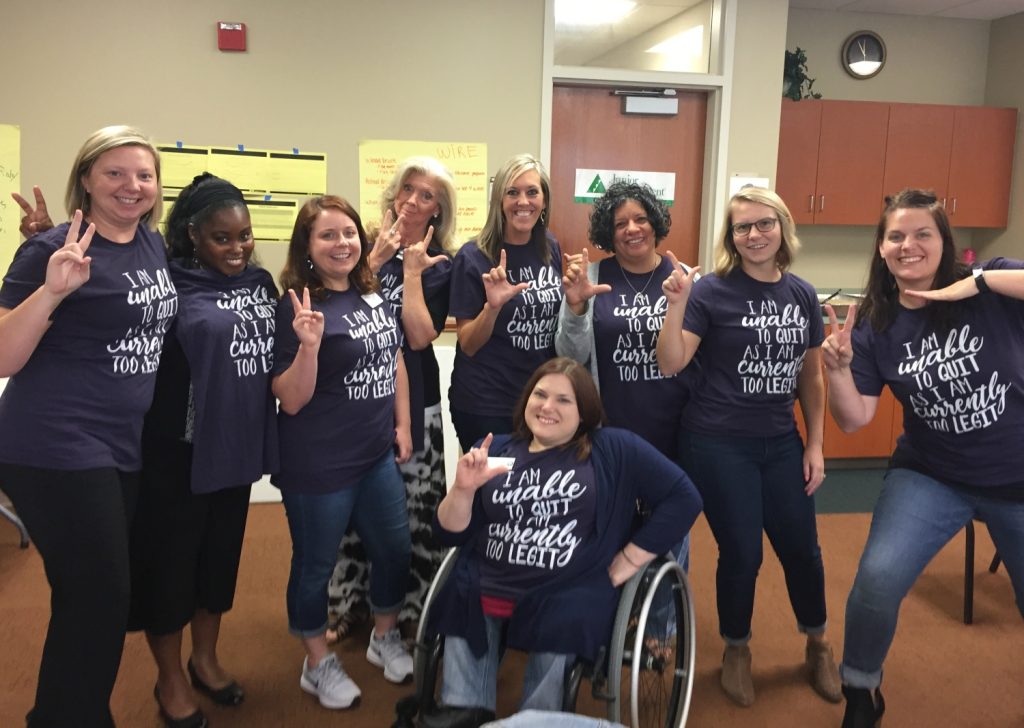
The third-grade reading proficiency Impact and Improvement Network team in Tulsa, Oklahoma, demonstrates team spirit, featuring their team name “2 Legit to Quit.”
Often, the four to five people who are selected to be a part of the leadership program or improvement network team have not worked closely together before. In the first session, they may introduce themselves to other team members. Important steps include ensuring there are opportunities and structures for them to build relationships with one another, set team norms and establish how they will check in with each other and get work done between sessions. One of the first things StriveTogether does in Impact and Improvement Networks is to have each group develop a team name, which requires them to work together and make a decision around a simple task early on and also allows them to form a single, unifying identity.
Building the right team to improve a result for kids sounds straightforward in theory, but in practice, it is often more of an art than a science. Team composition is critical to the success of cross-sector work, because cradle-to-career partnerships are founded on the principle that those who care about a community’s children can accomplish more by working together than by working apart.
The post Choose your team wisely: Lessons from building the capabilities of cross-sector leaders appeared first on StriveTogether.
]]>The post Insights from the Social-Emotional Learning Expert Convening appeared first on StriveTogether.
]]>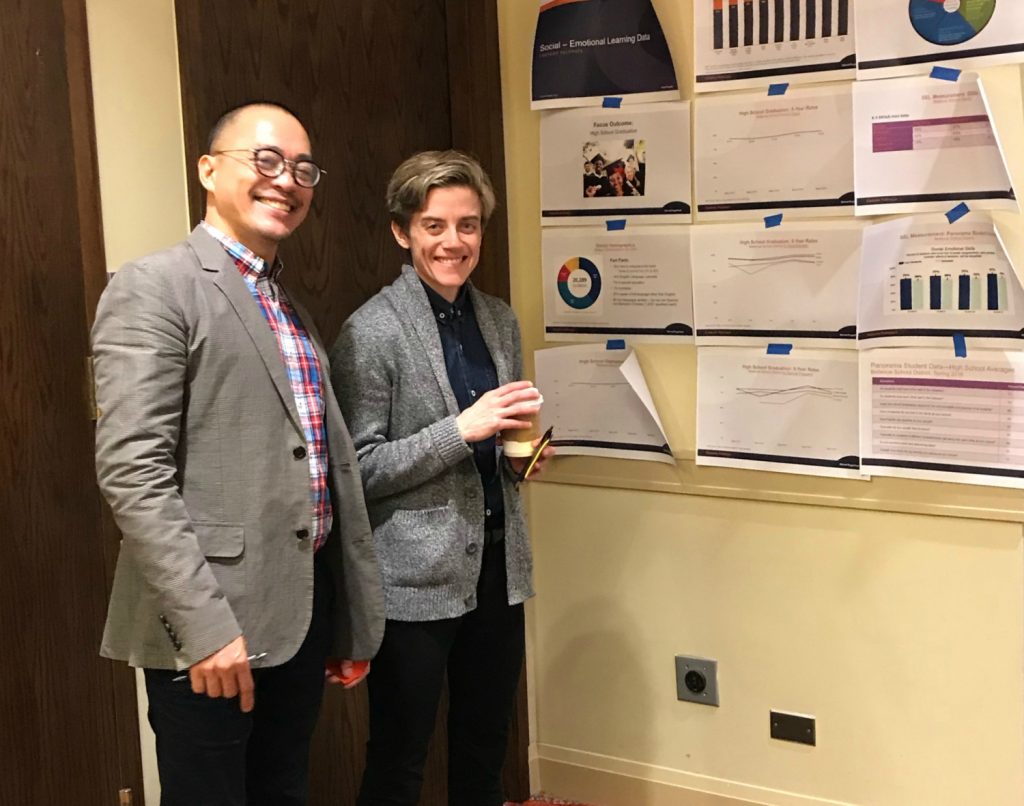
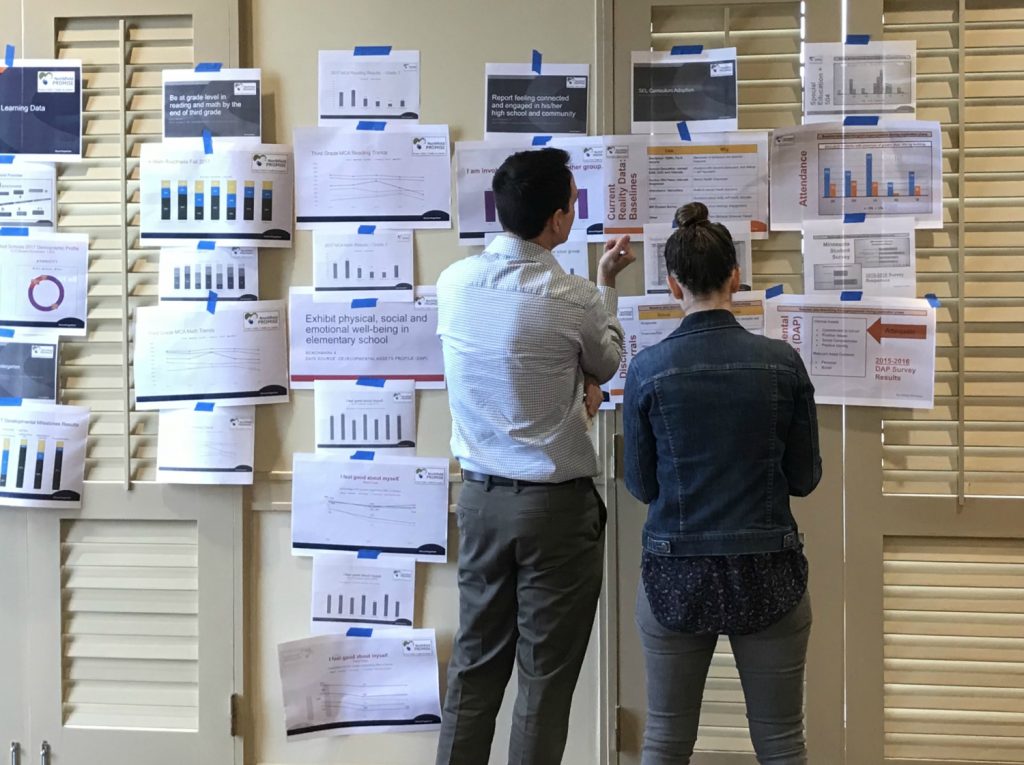
Attendees participated in a data walk to ground themselves in the results and learn more about the work being done in other communities.
Social-emotional learning has been a challenging area for the Network for a variety of reasons. There are many social-emotional learning competencies — how does a community choose which ones to focus on? Few reliable and valid assessments exist to measure competencies — how does a community develop or choose one? Stakeholders must align to improve students’ social-emotional learning — how can a consensus be reached?
To begin to tackle these questions, StriveTogether, in partnership with Transforming Education and Student Success Network, facilitated a day-and-a-half Social-Emotional Learning Expert Convening in San Antonio February 27-28 with eight partnerships from across the Network. Here are a few insights from the event:
- Social-emotional learning is a strong predictor of future success. Mindsets, essential skills and habits (MESH) can predict academic success, career success and overall health and well-being. Students with strong MESH have greater academic achievement during their K-12 and college career, and higher MESH predicts a greater likelihood of being employed. Additionally, there is a positive association between strong MESH and reduced mortality as well as lower rates of obesity, substance abuse and mental health disorders.
- Communities need to identify an agreed-upon set of social-emotional competencies. To develop supports that have the most effective impact, it is important to understand students’ social-emotional strengths and opportunities for growth. But first, a community needs to determine which competencies to focus on. Transforming Education, an organization that supports schools and communities in their work to improve social-emotional learning, helped one district identify four competencies to measure by filtering them through the 3Ms: Are the competencies meaningful, measurable and malleable? Many of the partnerships that attended the expert convening currently focus on the CASEL (Collaborative for Academic, Social, and Emotional Learning) competencies (self-awareness, self-management, responsible decision-making, relationship skills and social awareness).
 Validated measures for social-emotional learning are important but challenging to find or design. In one district, Transforming Education developed a self-report survey for students that has a high level of reliability and can be used across grade levels and sub-groups. Student Success Network supports organizations aligned around the importance of social-emotional learning and has developed a self-report for students that combines several different frameworks. One insight from both organizations is that designing a valid assessment is an iterative process and a task that develops and adapts over time.
- Communities must align on action that embeds equity. Participants had the opportunity to take what they learned from Transforming Education and Student Success Network and apply it to an equity framework. By considering the perceptions, beliefs and prejudices held by community members and practitioners around students’ social-emotional learning, they developed strategies to target the , system structures, patterns of behavior and events that impact student success and determine who needed to be included in their action plans to move the work forward.
The Social-Emotional Learning Expert Convening kicked off what will be a long, rewarding journey into this component of student success. Communities represented included Cincinnati, OH and Newport & Covington, KY (StrivePartnership), Marin County, CA (Marin Promise), Lenawee County, MI (Lenawee Cradle to Career), Northfield, MN (Northfield Promise), Bellevue, WA (Eastside Pathways), Memphis, TN (Seeding Success), Bexar County, TX (P16Plus Council of Greater Bexar County) and Norwalk, CT (Norwalk ACTS). All participants are fired up to improve community outcomes, both academic and social-emotional, to support children on their paths from cradle to career.
The post Insights from the Social-Emotional Learning Expert Convening appeared first on StriveTogether.
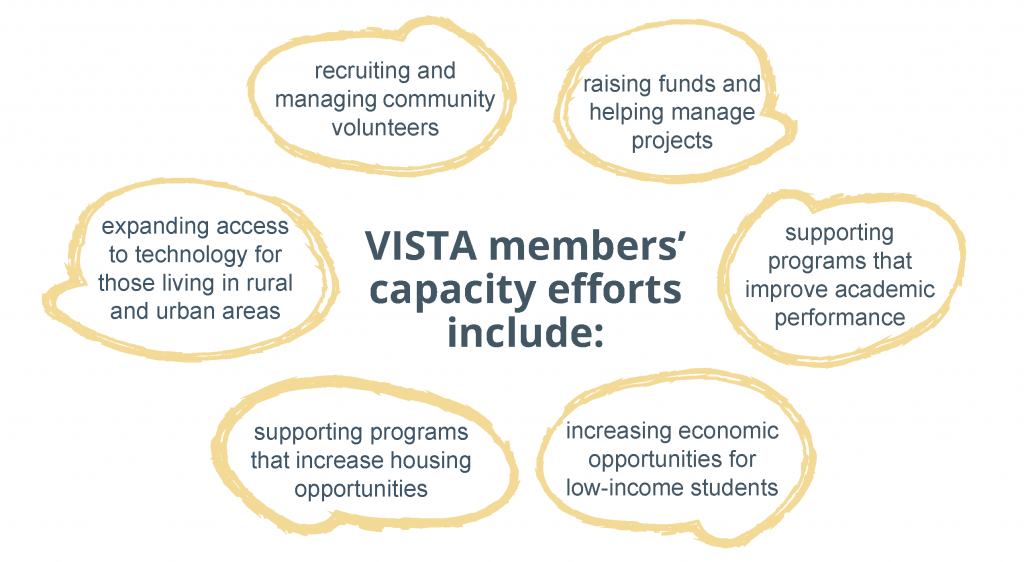
]]>The post AmeriCorps VISTA members build capacity with StriveTogether partners appeared first on StriveTogether.
]]>
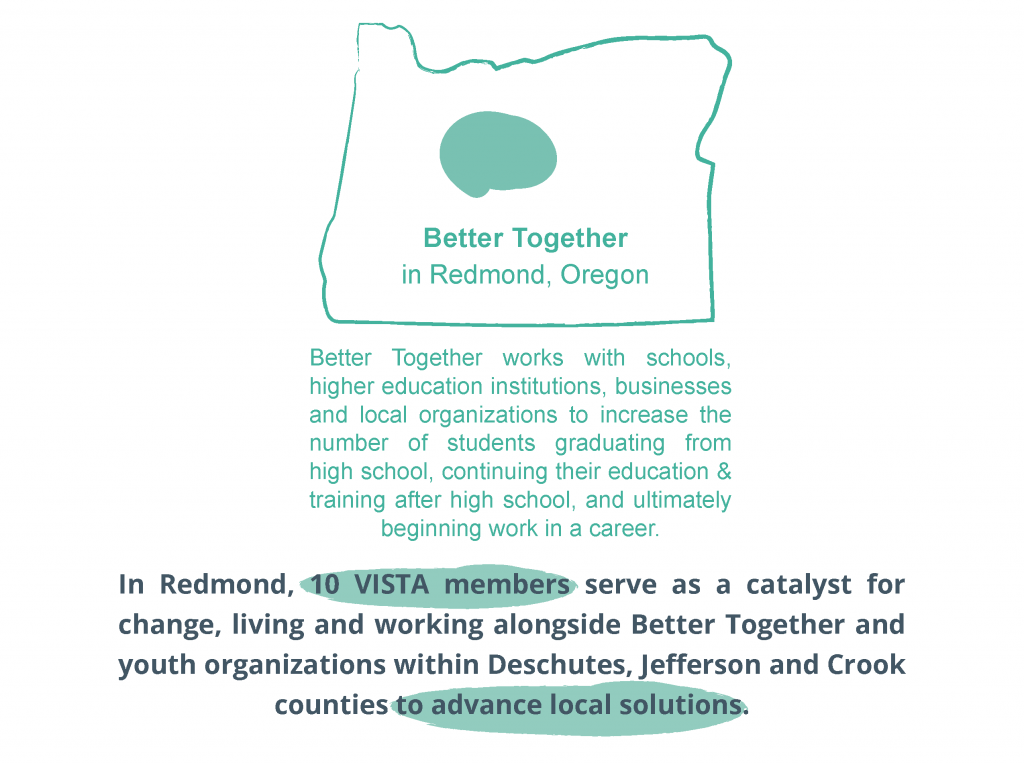
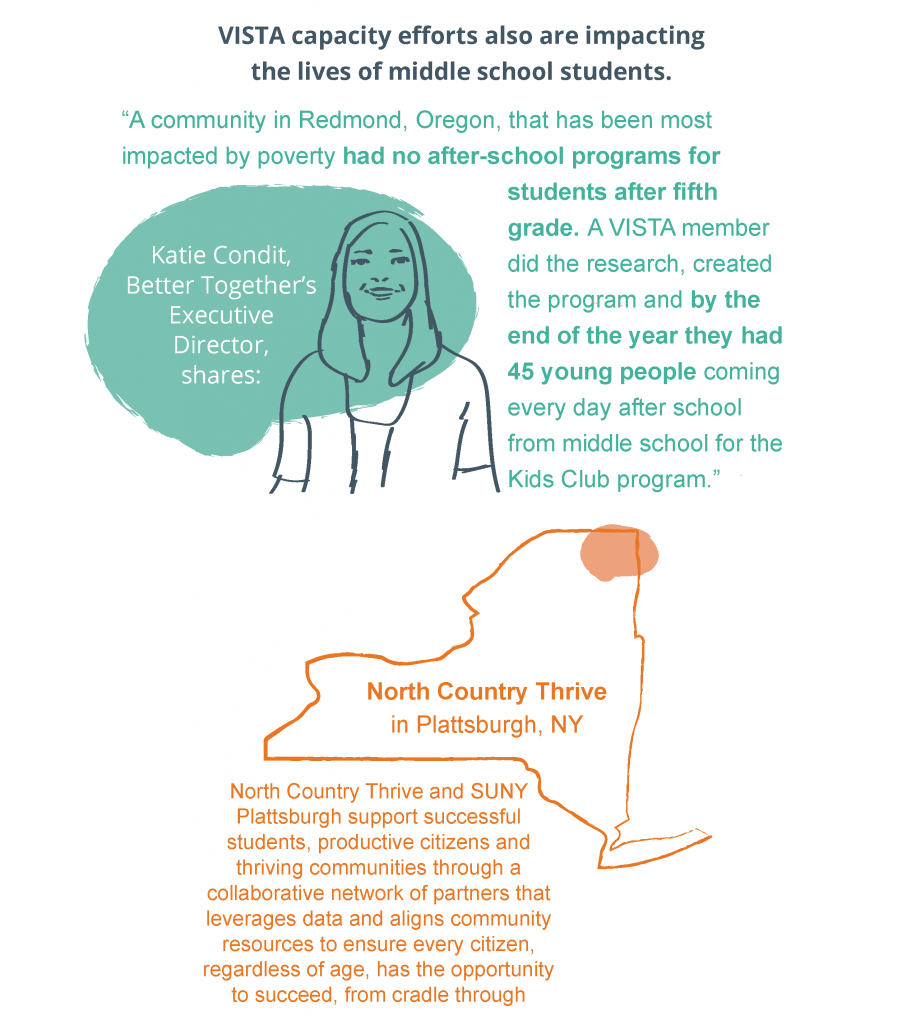
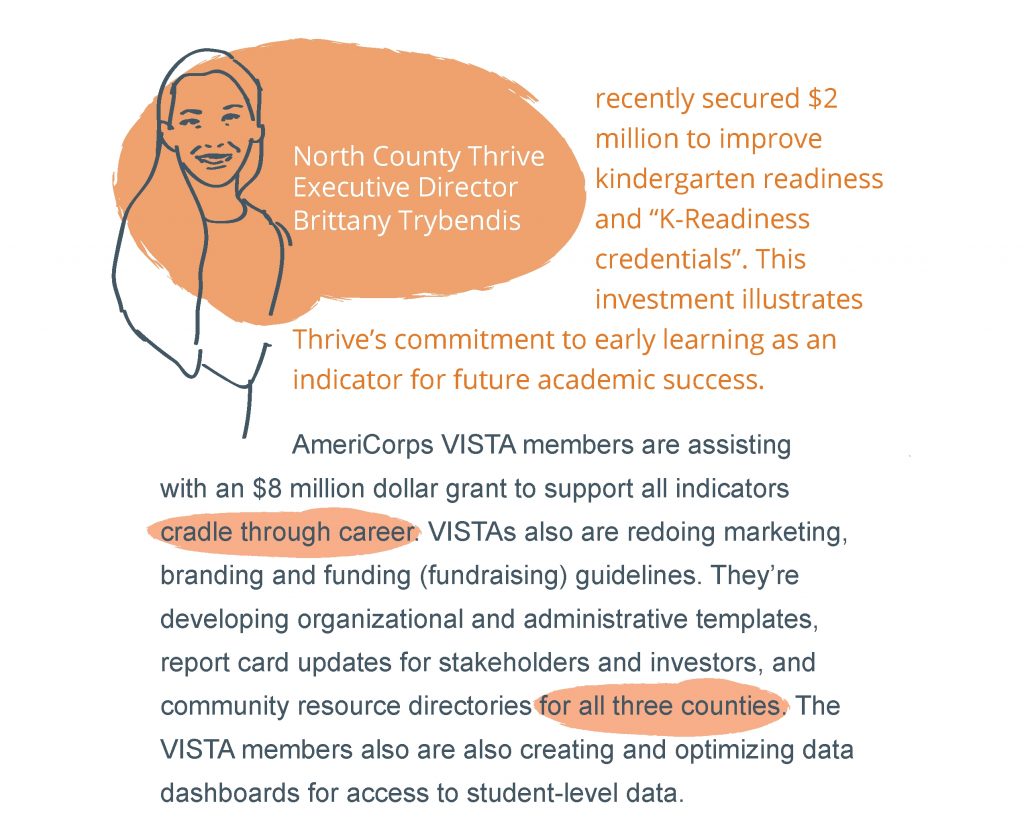
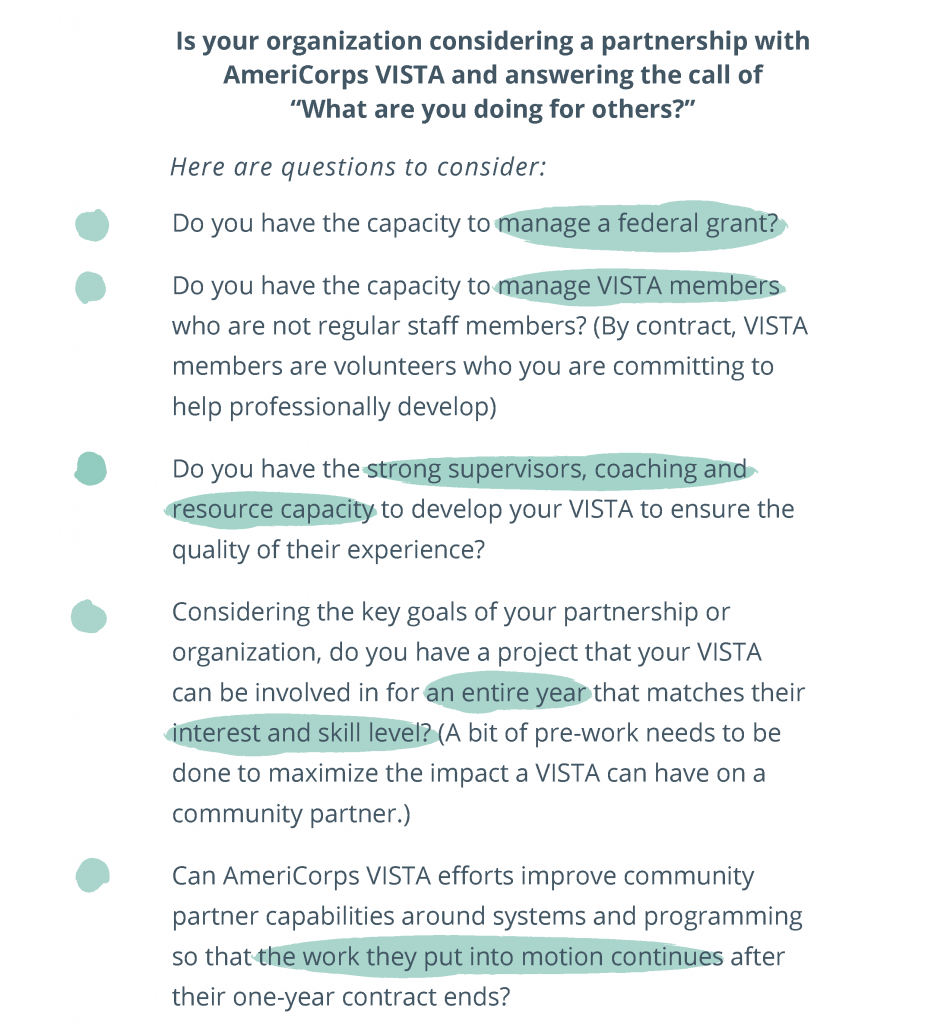
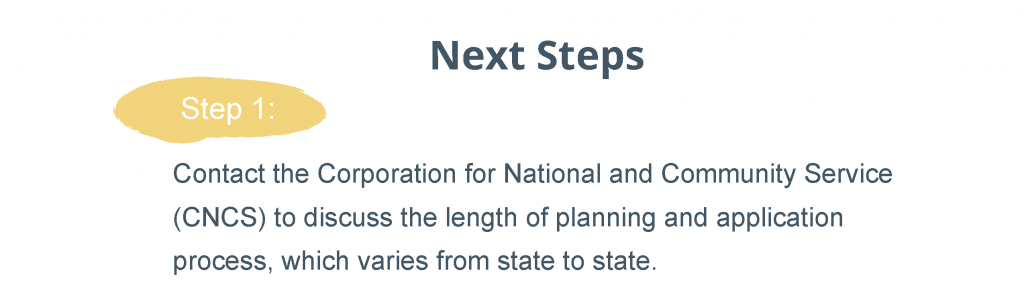
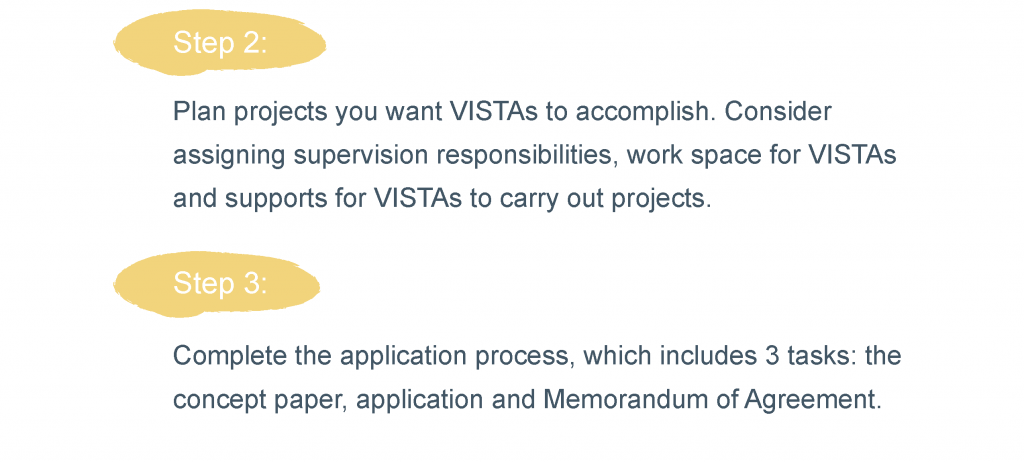
 Design and artwork by Tabitha Jordan-Nichols, StriveTogether’s graphic design co-op. Tabitha is a second-year student at the University of Cincinnati’s College of Design, Architecture, Art and Planning (DAAP), where she is majoring in communication design. View more of Tabitha’s work at www.tabithajordannichols.com.
The post AmeriCorps VISTA members build capacity with StriveTogether partners appeared first on StriveTogether.
]]>The post Creating a culture of continuous improvement in Salt Lake appeared first on StriveTogether.
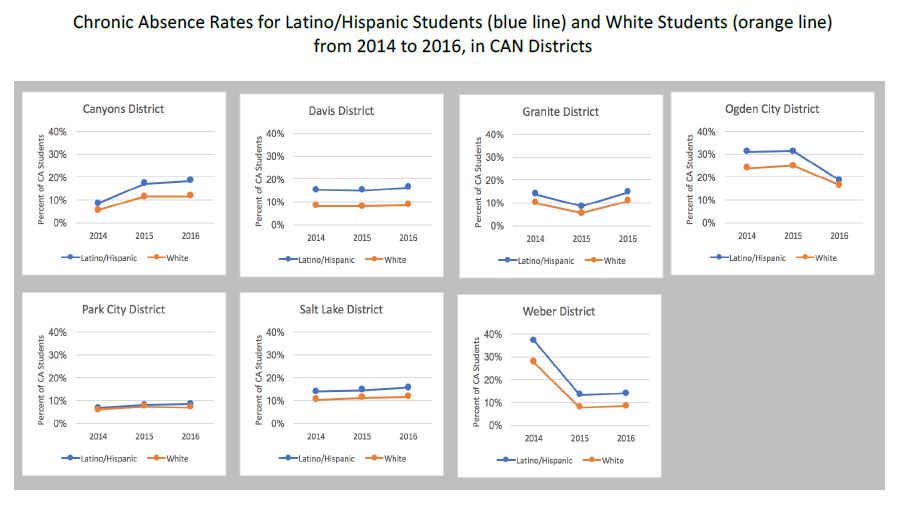
]]>Across districts in the Promise Partnership of Salt Lake, chronic absence rates range from 7 to 18 percent, with persistently higher rates for low-income and Latino students. United Way of Salt Lake (UWSL) recognized that chronic absence is a significant driver of academic achievement, and that reducing chronic absence could mean measurable academic gains. UWSL embarked on a one-year collaboration with StriveTogether to engage six school-based teams in an Impact and Improvement Network (IIN) focused on chronic absence. These networks are designed to help achieve measurable progress on an outcome or key driver while building the capabilities of partners to continue to make rigorous improvement part of their everyday work culture. 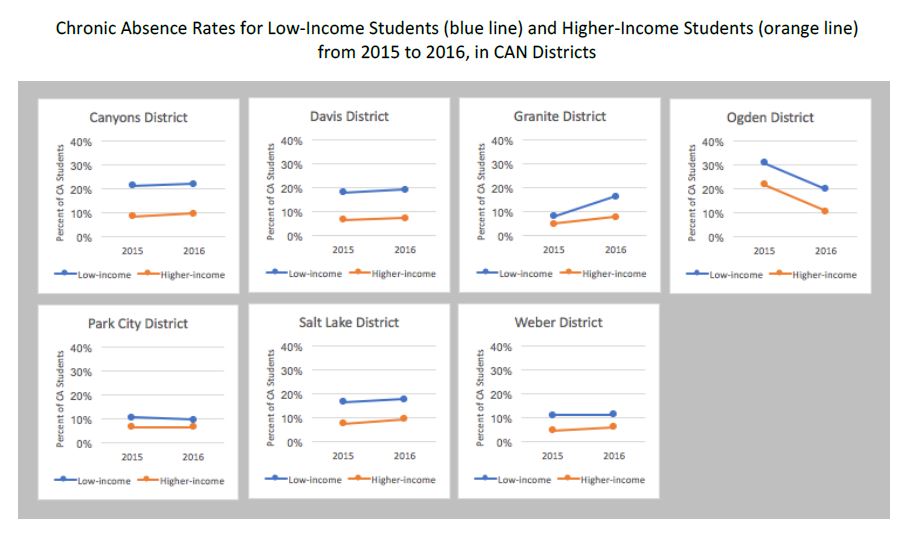
UWSL and StriveTogether designed the Chronic Absence Impact and Improvement Network to build the capabilities of both UWSL backbone staff and external partners. Below, UWSL team members reflect on their experience.
Abram Sherrod, United Way of Salt Lake Community School Director – supporting partnerships at Lincoln Elementary School
I knew that Lincoln Elementary had been working on strategies to address chronic absence prior to my tenure. A handful of talented and committed individuals were coming together to implement solutions — without the resources to systematically test and study them or to engage the key stakeholders most impacted. This reinforced my broader observation that often community school directors work in environments where decisions are by necessity made quickly, without resources for a theoretical framework to guide decision making or implementation.
The Impact and Improvement Network equipped our Lincoln Elementary team with that framework and concrete methods and tools. These all helped in developing strategies clearly linked to key drivers of absenteeism and interventions molded around the needs of parents and students. We learned how to test our interventions and in doing so created a sustainable system for tracking chronic absence at the school.
We are happy to report that Lincoln Elementary had one of the highest attendance turnarounds in the school district. Chronic absence rates fell from 27 percent to 11 percent for students requiring special education and from 10 percent to 7 percent for refugee students from the end of the 2015-2016 school year to the end of the 2016-2017 school year.
Amy Ahrens Terpstra, United Way of Salt Lake Senior Director of Network Partnerships, supporting outcomes-focused networks
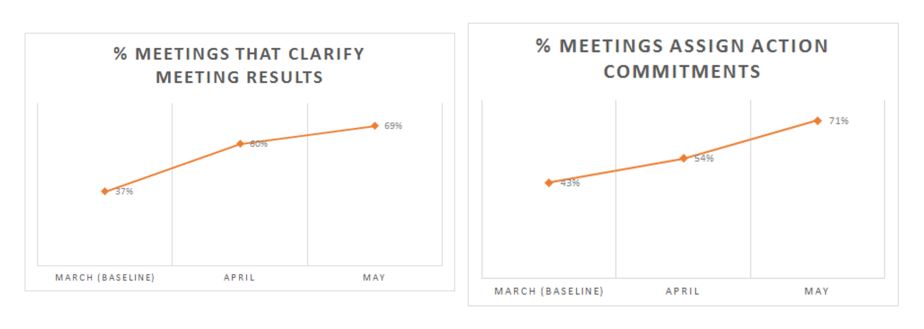
We decided to take full advantage of the Impact and Improvement Network and create an opportunity for other UWSL backbone staff not involved in school-level partnerships to also participate. Two data team members, our COO and several staff who lead collaborative action networks and school partnerships identified a common challenge — meeting quality — and worked alongside the school-based teams to systematically work through the improvement process and conduct small tests of change to improve it. Through the interventions we tested via several plan-do-study-act cycles, we improved meeting quality in five areas including starting and ending on time, defining roles, and assigning action commitments. We also shifted our shared approach to internal conversations in ways that have allowed us to continue to increase the frequency of our desired meeting behaviors.
Participating in the Impact and Improvement Network deepened my understanding of continuous improvement and the that this way of working presents. This has built my capabilities and confidence to lead networks through improvement processes.
As the Impact and Improvement Network comes to an end, we’re also being intentional about creating avenues to support and continue the school-based work. I facilitate and support a regional Chronic Absence Collaborative Action Network, and I am connecting the school-based teams from the Impact and Improvement Network with their respective district-based team from the Chronic Absence Collaborative Action Network. It is our hope that creating multi-tiered teams in the Network will accelerate progress toward dramatically reducing chronic absence in our region, since teams will now be comprised of school-level people and district-level people, each of whom has different spheres of influence for creating change.
Tyler Asman, United Way of Salt Lake Senior Director of Learning & Improvement
Continuous improvement is one of United Way of Salt Lake’s core values. The adoption and integration of what we learned during the Impact and Improvement Network has laid the foundation for strengthening our organization and making continuous improvement part of the fabric of our culture. In fact, we’re rolling out an organization-wide plan to build staff confidence in using in all of our work — from resource development to human resources and from the CEO to new hires — to improve our ability to impact our community.We hope that providing a flexible but robust framework for staff to accelerate their successes will ultimately lead to increased employee retention, stronger supervisory relationships, , greater accountability and, ultimately of course, better results for our community.
The post Creating a culture of continuous improvement in Salt Lake appeared first on StriveTogether.
]]>The post 10 tips for creating budgets at nonprofit organizations appeared first on StriveTogether.
]]>Here are some tips and tools to help ease the pain of building your next budget:
1) Use a template. Begin with a general template that defines your main revenue sources and contains basic expense line items such as personnel costs (salaries, benefits, bonus), office expenses (rent, utilities, copying, supplies), travel (airfare, hotel, meals), etc. You can build out the line items in greater detail as you continue to develop your budget, but starting with these will give you a good start. Visit our Partner Portal for a budget template.
2) Minimize your line items. Avoid adding too many line items or making them too specific. This can cause your budget to become overly complicated and lengthy, and it reduce the flexibility you have in allocating funds and costs throughout the year.

3) Budget by month. Use a format that allows you to budget your activity per month of your fiscal year, rather than on an overall annual basis. This allows you to track your monthly progress accurately and foresee any realignments that may be needed earlier, so you can reallocate funds or plan to raise more revenue if needed. Additionally, focusing on shorter time periods helps break down the specific activities that will occur per month and account for special events, one-time costs, etc.
4) Create an annual total. Include an overall annual column to roll each monthly estimate up to and budget on a year-to-date basis. Having the overall view along with the month-to-date view will allow you to measure progress against the overall goal as you move through the fiscal year.
5) Account for inflation. Use prior year results as an estimate to begin from. Be sure to account for inflation (roughly 3 percent) for the following year. When creating a multi-year budget, account for inflation on each line item, over each year.
6) Consider your fixed and necessary costs first. Start with fixed costs you know you will have regardless of activity level and that you need to cover such as rent, utilities, salaries and insurance and then build in the variable costs. Have a list of the “nice to haves” that you can add into your budget if you have projected funds left over after all the necessary expenses are covered.
7) Divide annual costs out by month. For line items that are easy to estimate on an annual basis and are relatively consistent, divide the annual amount by the number of months left in your fiscal year to arrive at your monthly amount.
8) Account for timing inconsistencies. Consider seasonality and timing of when revenue and expenses will come in and out, such as for events, annual appeal revenue drives, large gifts, etc. Make sure to understand the months that may have more revenue coming in or more expenses going out so you can plan to pay certain expenses when you have the cash or reserve enough cash to cover those expenses later.

9) Use prepopulated templates. Create tools such as general templates to help develop estimates for areas where revenue or expenses are consistent and repetitive such as travel or revenue proposals. For example, assign an average value for flights ($600), hotel stay per night ($250), per diem per day for food ($50), taxi/transportation ($50), etc., to quickly calculate trip costs throughout the year. Visit the Partner Portal for a travel budget template.
10) Calculate dependent line items from known costs. Use known values to budget for other related estimates, such as personnel costs. You can create a detailed personnel tab of your budget by listing each employee’s base salary for the year and calculating bonuses, benefits/taxes, etc., as a percentage of the known salary. A standard rule of thumb is to include a 3 to 5 percent bonus and benefits/tax costs at a rate of 25 to 30 percent of each employee’s salary.
Creating an organizational budget always takes time and lots of thought to develop, but hopefully these strategies can contribute to a more successful process for your group. Remember to involve key leadership from your organization to contribute the necessary details and accurate information to your budget. For questions or more information on building organizational budgets, feel free to reach out to me at speedb@strivetogether.org.
The post 10 tips for creating budgets at nonprofit organizations appeared first on StriveTogether.
]]>The post Independence Day: Lessons learned from navigating an organizational spin out appeared first on StriveTogether.
]]>
- Determine the right path. First and foremost, you have to determine whether spinning out into an independent 501 (c)(3) makes the most sense for your partnership at this time. There are already more than 1.5 million 501(C)(3) organizations in the U.S. Consider whether your community needs another one. You might find that another organization could serve as your parent organization or perhaps you could take over an existing 501(C)(3) organization with a similar mission. Decide whether becoming independent can help your partnership achieve its results and make a decision from there. In planning for StriveTogether’s spin out from KnowledgeWorks, we considered other national organizations with which we could partner to avoid creating additional infrastructure, but ultimately, after weighing the pros and cons of various options, we determined that independence was the right path.
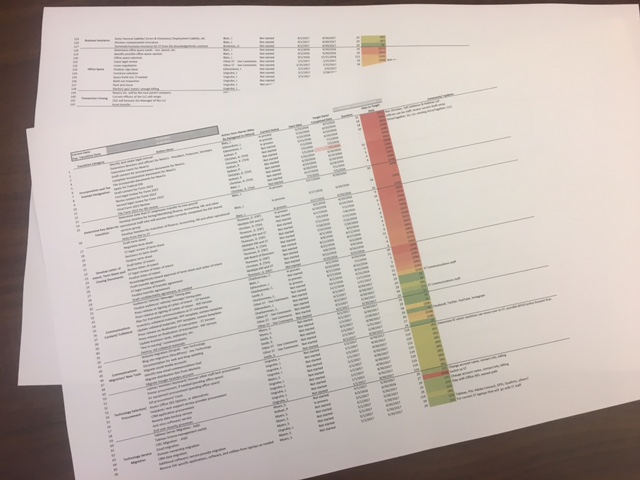
- Create a checklist. Once you’ve decided to go for independence, the next step is to create a massive checklist. I used an Excel spreadsheet and mapped the various steps to getting to independence, ranging from filing the appropriate incorporation and tax documents to changing our official name and address with vendors. My checklislt had 142 individual action steps organized into the following major categories: legal, communications, technology, human resources, accounting/financial and office space. The checklist included the task, who was responsible, the timeline for completing and the status. The checklist became my roadmap through the spin-out process and I reviewed and updated it weekly.
- Hire an attorney. I get it. Attorneys are expensive, but I honestly don’t know how you can get through this process without one. Early on in the spin out, we engaged a full-service law firm to help us. Throughout the process, we had to work with general business attorneys on the incorporation/organization formation, intellectual property attorneys on division of assets with our parent organization and general contract transfers, real estate attorneys on negotiations for our office space deal and human resources attorneys on the setup of benefits and other employee matters. We negotiated a nonprofit rate and tried to keep the legal bills to a minimum, but this was one of the biggest costs we incurred in going through the process.
- Make friends with those who’ve done it before. I personally found great value in connecting with other organizations that had been through similar transitions. People were happy to share their wisdom and lessons learned. They shared examples of their own spin-out checklists and request for proposals for vendors and were great for vetting ideas and solving problems as we navigated the process. I distinctly remember one person telling me it would be the busiest, craziest year of my life — and it absolutely was. Any transition like this is an undertaking and you’ll need support so make connections with others who have been there.
- Consider outsourcing. One of the key lessons I learned from others who had been through similar organizational transitions is to leverage consultants and consider outsourcing some functions. Initially we had planned to outsource the majority of shared services we had been receiving from our parent organization. This includes the finance/accounting, human resources/benefits and technology functions. Ultimately, we determined we needed to build financial capacity in house and hired a director of finance and operations, but we did outsource our human resources/benefits function by joining a professional employer organization and we hired a managed services IT firm to handle our technology needs.
Navigating through an organizational spin out is a journey and you will need to exercise great patience to get through it. Although the focus of this blog is on the more technical aspects, I could write another chapter on the adaptive aspects, but will hold that for another time.
The one thing I will say on the adaptive nature of transitions is that you have to celebrate the small wins throughout the process. We celebrated every milestone from getting approval from the KnowledgeWorks Board to pursue a spin out (May 19, 2016) to getting our 501(c)(3) letter (September 30, 2016) to signing the paperwork making it official (March 31, 2017).
And on July 7, 2017, just a few days after America’s Independence Day, StriveTogether will celebrate its own “Independence Day” by checking off item No. 142 on the checklist, as we move into our new office space, making all of the trials and tribulations over the past 18 months and every single one of my gray hairs totally worth it!
The post Independence Day: Lessons learned from navigating an organizational spin out appeared first on StriveTogether.
]]>The post How results-based leadership influenced Adam County Youth Initiative’s strategic plan appeared first on StriveTogether.
]]>In late 2016 our team and board of directors at Adams County Youth Initiative took some time to gain additional clarity on our mission, to define our role as the backbone and to further develop our internal infrastructure. Equally important, we took some time to craft our goals and focus for the year, which we are now referring to as our 2017 strategic plan.
As I stand at the wheel in terms of the work the ACYI backbone does, I am very keen about the responsibility our team has in not only knowing where we are headed, but in knowing how we are going to get there. Our strategic plan — serving as a succinct and clear road map — provides that direction and frankly makes us better partners on our community’s roadways.
In sitting down to map out strategic priorities for 2017, we started with the end in mind. Our destination is success for EVERY child, in every school, cradle to career (period)!
We unequivocally believe that a key component to a successful community is student achievement. When students succeed, our community succeeds. Why? Because students become our workforce, and it’s no secret that communities that have a talented workforce attract and retain employers. With jobs, income, benefits and more, families are able to live well and contribute to a better quality of life. This IS our true north.

Using the StriveTogether framework, otherwise known as the Theory of Action, our mission is to drive our community to improve key outcomes along every child’s path to education success (cradle-to-career outcome areas) through the development and support of:
- A shared community vision
- Evidence-based decision-making
- Collaborative action
- Investment and sustainability
When students meet benchmarks in each of our cradle-to-career outcome areas, their potential for long-term success greatly increases. Our planned activities for this year start and end with a clear focus on moving the needle in these outcome areas.
Once we clarified our vision, intent and mission, we became very clear about roles related to the ACYI partnership. We know that the only way to move from talk to action is to identify who is responsible for what and hold partners accountable to clear roles. Learning about B/ART, or the boundary of authority, role and task, at a recent StriveTogether results-based leadership workshop helped demonstrate the need for this type of clarity. So that’s just what we did.
The partnership consists of about 75 organizations including five school districts, eight law enforcement agencies, seven cities, two unincorporated communities and a broad range of nonprofits, faith organizations, businesses and philanthropists. Everyone plays a unique role in driving student achievement from cradle to career by leveraging data, community expertise and collaboration using continuous improvement. All of us must:
- Measure what matters. Use key indicators to measure student achievement across our community.
- Identify best practices. Identify practices that create an environment of success.
- Spread what works. Work to help align community resources to spread what works.

The role of ACYI staff is to mobilize the partnership — the collective coalition of stakeholders who have agreed to work together to benefit students throughout the community from cradle to career.
We are set to accomplish well thought-out goals and action items including measurable outcomes that support each of the following strategic priorities:
Shared Community Vision and Communication
- Convene and engage cross sector leaders and partners.
- Engage a broad array of community voices, including the youth voice into our work. We are intently focused on ensuring that our youth are at the table and engaged in every aspect of our partnership.
- Facilitate communication relevant to the partnership.
Data-driven Decision-making
- Facilitate the collection and use of disaggregated data across the partnership to practice continuous improvement.
Collaborative Action
- Provide the knowledge, tools and opportunities to enable collaborative action
Investment and Sustainability
- Engage partners, funders and policymakers to support operations and collaborative work.
We are holding steadfast to focusing on our strategic priorities and are excited to continue with this crucial work in the community.
 Becky Hoffman is executive director of the Adams County Youth Initiative in Adams County, Co. She leads a collective impact collaborative with over 75 organizations committed to the academic success of over 100,000 students. Hoffman provided key leadership in transitioning ACYI from an unincorporated federally funded grant to a stand-alone nonprofit adopting StriveTogether’s proven national framework.
The post How results-based leadership influenced Adam County Youth Initiative’s strategic plan appeared first on StriveTogether.
]]>The post Trust is (also) an action appeared first on StriveTogether.
]]>The first time I facilitated a collaborative action network meeting, I knew I was in a room full of people who wanted dramatic change in our community. I assumed that all we had to do was clarify our roles and get to it. I was wrong. The idea that “collaboration moves at the speed of trust” is commonly shared in conversations about collective impact. Its twin, “change happens at the speed of trust,” is also commonplace. Both suggest that trust has to be built before work can begin, so, how do you bring people together to build trust without doing work? To avoid losing collaborators due to inaction or trying to force people to do complex work before they are ready, it’s worthwhile to remember that trust is not just a noun. It is more than a thing that is built; it is also a verb. Here are three elements to consider when beginning (or shifting) work within groups.
1. Define trust as an action.
Bryk & Schneider’s “relational trust” is built on respect, personal regard for others, competence and personal integrity. There is no way to build relational trust without everyone demonstrating that they respect each other, will treat others well, are competent in their roles and can operate with integrity. Although I entered rooms with degrees and a solid professional history, I intentionally called out my lack of knowledge in the specific outcome on which a network was focusing. My position in the space was about facilitation. The people in the room were the experts. They held the knowledge. It wasn’t an easy posture to maintain (and I failed often), but I was intentional and explicit about respecting their role in the work. This work is their work, not ours. Using results-based facilitation (RBF) helped us make accountability a regular part of every meeting. Participants reported on their action commitments and explained what facilitated or impeded their progress. And when staff made errors, we owned up and were committed to modeling integrity and accountability. The speed of trust was defined by the staff’s ability to respect the groups enough to ask them to do their best work and hold each other accountable for the outcome to which they had committed. There was not a single “trust-building” activity in any network meetings — we built trust and momentum through the work and how we conducted ourselves.
2. Know thyself.
Identity matters when it comes to building trust. Who we are informs how people will respond to us and how we will react to others. Being aware of context and being honest with yourself and collaborators is a good place to start. I am a black female native Memphian who left my hometown and returned after 25 years. I have some credibility given the neighborhood where I started, but I’m essentially a stranger. At the same time, I challenge all sorts of stereotypes and low expectations of black women in Memphis. To some people I am family, to others I’m the help and to others I’m the enemy. To be effective, I have to manage those identities whether I claim them or not. When asked to substitute facilitate for my executive director, a young white man, I encountered some resistance from the white women who were leading the effort. One attempted to micromanage the design process; another tried to facilitate over me. I had to firmly, but professionally, assert my role as facilitator and my commitment to better outcomes for children. Knowing myself and how I am perceived by others allows me to be authentic and consistent. Everyone, regardless of how they categorize me, can always trust me to be me, which means I bring the most effective me into every space.
3. Do your homework.
Collective impact efforts are about bringing together people who have been contributing to the work for years, sometimes decades. Any room is likely to have existing relationships and experiences that could facilitate or derail efforts at any time. Identifying and preparing for potential threats and barriers to trust is essential to keeping things moving forward. The level of analysis that has been necessary to navigate early childhood in Memphis rivals preparation for contentious political races. The landmines are countless. Interpersonal dynamics in this sector were instructive on how different people and groups can enter collaborative spaces. Taking the time to meet separately with various factions and develop relationships with people by asking about their work and learning about their concerns helped me to design more effective meetings and avoid those landmines. I began my work assuming the existence of a shared understanding — whether of the problem or the solution — was sufficient to move work forward, but I have come to understand that trust matters. Lack of trust is still no excuse for inaction. It is simply a reason for acting differently and supporting others to act together.
 Adriane Johnson-Williams, Ph.D., was the founding facilitator for Seeding Success, a StriveTogether Cradle to Career Network partnership in Memphis, Tenn. She now works in philanthropy. She is a native Memphian committed to improving outcomes in her hometown.
The post Trust is (also) an action appeared first on StriveTogether.
]]>