The post ‘I got this’: Learning to organize from my position and place appeared first on StriveTogether.
]]>I am a mother of three sons in Saint Paul, Minn. My children are 7, 10 and 17. I do not have a bachelor’s degree, so I have only secured jobs that do not require a college degree. I began working in call centers and was good at it. As I moved through corporate jobs, I gained additional skills in sales, customer service and management. I was hired for a call center position at a financial firm that required securities licensing. I passed the relevant tests and I could trade stocks, bonds and other securities, in addition to supervising colleagues.
Without much notice, I was laid off. Because of my unique skills in securities licensing and my strong work ethic, I was confident that I would get another job quickly. Unfortunately, that did not happen. After months of rejection from various companies, I was behind on rent. My landlord was empathetic and allowed my family to remain in the property for four months for free. Eventually, my family had to move out of our apartment. We started moving in with other families that provided temporary housing. Although I was grateful for the families that opened their homes to us, I worried about being a burden. I sent my two youngest boys to stay with their great aunt in Chicago while I tried to pull things back together.
My family was homeless for a few weeks. I was embarrassed to tell my children’s school about our situation. My younger sons often showed up late and sometimes had to borrow uniforms from the school. When I finally told the school about our living situation, Elder Joanne, a staff member of the school’s Center for Culture, Families and Learning, shared information about a state-sponsored rental assistance pilot program that helped families secure stable housing to support their children’s academic stability. I applied for and was accepted into it. I finally felt like my family was on solid ground. The boys were doing better emotionally and academically. I had space to think beyond meeting our immediate needs. I finally could focus on my family’s future.
Then I met Elder Pam, a long-time housing advocate and respected community leader, who introduced me to the Saint Paul Promise Neighborhood Parent Council. When I joined this group of parents who secured stable housing through the same pilot, they were advocating at the Minnesota legislature to make this a permanent program. Quickly becoming an active member, I went to weekly meetings and formed relationships with group members.
My first experience engaging leadership was speaking on a panel in front of Ramsey County service team leaders. I began developing relationships with county leaders and I was asked by policy advocates to join them for legislative visits and testify at committee hearings. As a result of my advocacy efforts, I was invited to join local and state advisory groups, including Ramsey County’s Low Income Committee and Heading Home Together: Minnesota’s 2018-2020 Action Plan to Prevent and End Homelessness. For the Low Income Committee, I serve on the Citizens Advisory Council, a group of volunteers advocating for individuals and families that need help meeting basic needs for food, shelter, clothing and medical care, because their income falls below federal poverty guidelines. I am a member of the Regional Expert Network for Heading Home Together: Minnesota, a table of public and private stakeholders responsible for executing the state’s plan to end homelessness.
Through the network I built as a volunteer parent advocate, I came across a job opportunity one day. Although I had not done community engagement in a professional capacity, I was qualified for the position based on the skills developed through my work with the Parent Council and my previous customer service jobs. I was hired as a community engagement specialist for the Science Museum of Minnesota in the Access and Equity Department. While working there, I joined and graduated from the Amherst H. Wilder Foundation’s Neighborhood Leadership Program, which helped me focus on my personal leadership journey and skills. I also joined the foundation’s Community Equity Program, where I further honed my legislative advocacy skills.
Recently, I was hired by People Serving People, a Community Equity Program policy partner and the largest and most comprehensive homeless shelter for families in Minnesota. My role as the whole family systems manager is to lead a five-year learning process and partnership to explore the problem of homelessness that overwhelmingly impacts African American and Native American families. I am also a Boards and Commissions Leadership Institute fellow at Nexus Community Partners, where I am learning about how to impact change at different levels of government. I was elected chair of my neighborhood organization, the Summit-University Planning Council. Additionally, I am a newly trained Circle Keeper, which helps me to effectively facilitate group conversations.
Now, through the Education Partnerships Coalition, a statewide network of collective impact organizations in Minnesota, I work alongside organizers from rural and urban communities to coach other parents on how to speak up for their families and teach institutional leaders how to listen to us. Through this work, I build awareness that parents do not need fancy degrees to positively change state and local systems.
From my advocacy experiences, I have learned that my community is a rich and abundant place of knowledge. The beloved ecosystem that I have built over the years has nurtured my educational growth — like my own personal college. Every little choice and every little step I took made a difference for me, my family and my community. I am in a new position and place, both figuratively and literally. I am committed to making sure other parents see and exercise their power from their position and place.
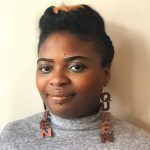 Erica Valliant is an organizer, activist and mother in Saint Paul, Minn., who works as the whole family systems manager at People Serving People. She also is a parent organizer with Education Partnerships Coalition, a grantee through the StriveTogether’s Cradle to Career Community Challenge Strategic Initiatives Fund. The coalition is comprised of Austin Aspires, Every Hand Joined, Generation Next, Growth & Justice, Northfield Promise, the Northside Achievement Zone, Partners for Student Success and the Saint Paul Promise Neighborhood.
The post ‘I got this’: Learning to organize from my position and place appeared first on StriveTogether.
]]>The post Census 2020: What nonprofits need to know appeared first on StriveTogether.
]]>Why does the count matter for nonprofits and those they serve?
An undercount of African American residents in the upcoming census could mean a loss of representation and funding, including one to two congressional seats; about $1.2 billion in federal funding over 10 years; at least $12,000 to $15,000 per decade in Health and Human Services funding along for each uncounted person; and diminished availability of funds for nonprofits. Public infrastructure is also determined by census numbers. Governments and business use the data to determine where to locate schools, transit and retail outlet for communities.
To ensure all are counted and receive their fair share of economic resources, political representation and social services, three key takeaways emerged from the Chicago Urban League event.
Understand who is excluded/undercounted and the barriers that uniquely impact that group. “Sadly, of the top 10 cities with the highest of number of African Americans, Chicago ranks number 2 in percentage of African American in Hard to Count populations,” shared Butler. In addition to certain African American communities, Hard to Count populations include young children, rural residents, other communities of color, immigrants, individuals experiencing homelessness and others. Many of these communities are undercounted for multiple reasons, such as living in housing units not on the Census Bureau’s Master Address File, living in a multi-unit building or in complex households, moving frequently and experiencing language barriers.
Specific attitudinal barriers such as distrust, apathy and privacy concerns were also discussed as reasons African American communities in Chicago are undercounted. Kareem shared, “While there is apprehension among African American communities regarding census data, how it will be used, who will have access to it and concerns about the privacy of sensitive information, it is important to recognize that the degree of these barriers might be different across communities. African American communities in Chicago are not monolithic.”
Nonprofit representatives during the session recommend creating a community culture assessment or using an existing community assessment tool to uncover the unique barriers that impact different neighborhoods.
Create solutions that directly address the barriers unique to that community or neighborhood. Personalizing messages based on Hard to Count population type is critical. Those who have completed the census before might need to be re-oriented to or re-educated about the process. Others who are unfamiliar with the new process of completing the census through mail and online might respond to social media messaging.
“It is important to meet people where they are and talk specifically about what the census is, how to complete it and the ways the census data will impact their lives. We need to give each group that comes through our organization targeted and tangible examples of where the benefits of being counted show up and talk to them in a way that resonates with what they are going through,” shared Angela Brown, Sinai Community Institute’s system director. Brown works with seniors on Chicago’s West Side and stressed the importance of framing the conversation around census data on matters that impact seniors, particularly their concerns around Medicaid.
Where a message on Medicaid benefits might land well with senior populations, other populations will respond to different priorities. For example, the 18-25-year-old African American male population includes residents who may have had higher levels of contact with the criminal justice system or are apathetic about the census process and see it as pointless. This group might need tangible examples of how being counted benefits programs that support individuals who were recently incarcerated.
Champion the role that nonprofits can play in a fair and accurate count. Whether nonprofits are framing the message of the 2020 census as active empowerment and “claiming resources and representation that belong to the people,” or resistance to “negative rhetoric around immigration and communities of color coming from the current White House administration,” they are well positioned in communities with Hard to Count populations. As a low-cost measure, no new program needs to be developed, considering the everyday contact nonprofits have with communities most at risk of being undercounted. According to the Nonprofit Vote, “Those nonprofits, who have already established relationship with the communities they serve, can act as a powerful vehicle for education about the importance of the census. When the message to be counted comes from a trusted entity, people are more likely to participate.”
The 2020 census is around the corner. As part of the nonprofit community, the Cradle to Career Network has an “inherent interest in ensuring that our communities have access” to economic resources, political representation and social services impacted by the census. Consider how you can use your position as a trusted entity in the community to ensure everyone is counted!
The post Census 2020: What nonprofits need to know appeared first on StriveTogether.
]]>The post Teens take action in Louisiana appeared first on StriveTogether.
]]>My name is Ta’Mya Davis and I am a junior at Benton High School in Benton, La. I serve as the communications chair for the Teen Advisory Committee (TAC) at Step Forward, a member of the StriveTogether Cradle to Career Network. The committee launched this past January with teens representing the diverse population of six parishes in the community.
I was first introduced to the Teen Advisory Committee through my school counselor who thought it would be a perfect match for me — boy, was he right! I became involved with the group because I recognized it as an extremely beneficial opportunity. It provided a chance for me to improve myself so I can become a more effective leader, give back to the community and work with diverse groups of people.
The Teen Advisory Committee is something that my community has needed for a long time. As of right now, Louisiana has one of the lowest graduation rates and teens experience high levels of anxiety and stress. I, personally, would like to see more teens get involved in their community to talk about these issues.
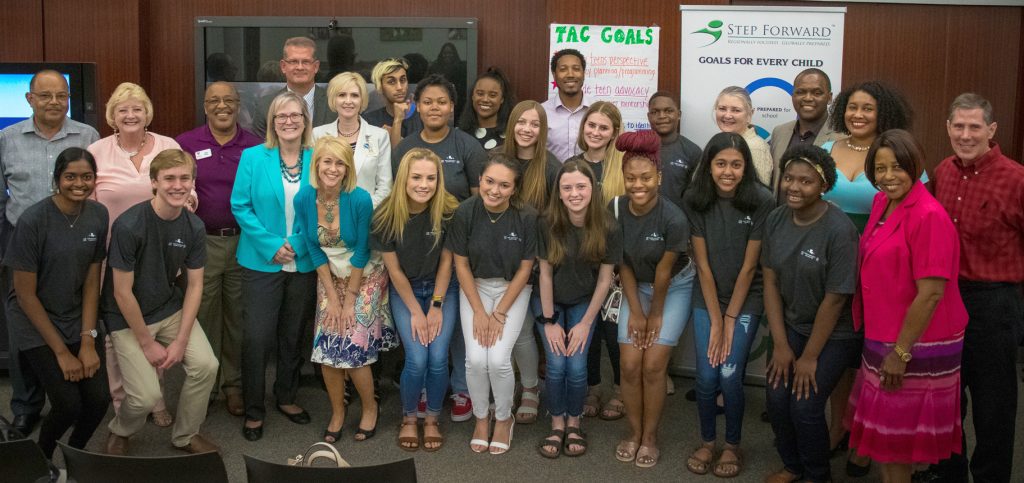 We, as a group, are currently working toward fixing and improving these problems. The Teen Advisory Committee has been an eye opener that helps adults realize the daily struggles and challenges that teens face in our community. This unique and amazing group allows us, the teens, to be the experts. Because we actually deal with these problems and experiences head-on, we can offer unique firsthand thoughts and opinions that adults don’t have. We have had many opportunities to present our platform and discuss our ideas with large groups of adults such as Step Forward’s Leadership Council and its Workforce Development and Middle-Grade STEM (Science, Technology, Engineering and Math) network team.
We usually present top-level findings at Step Forward’s meetings. For each challenge cited, we propose solutions. As an example, to enhance career readiness, we said hire more guidance counselors and expose students to “real-life” employment pathways. For the most part, the adults have been very open to hear what we have to say. Some adults were even shocked to hear some of the problems that we mentioned.
In a short amount of time, I have worked with other members of the group to establish bylaws and lay the foundation for present and future members. We are currently going through training and working on choosing a community service project that will be based on what we feel are the biggest problems teens in our community face today. The areas that we think need the most improvement are education, health, especially mental health, and civic engagement.
This decision was made by the 30 teens within the Teen Advisory Committee, including an executive committee of officers and committee chairs. The executive committee is the leadership of the group, which governs the organizational structure, membership, group activities and professional conduct. At a typical meeting, the president, Bhavani Tivakaran, calls the meeting to order. She and the vice president, Robert Lawrence, co-facilitate to make sure the meeting is running smoothly. The secretary, Annika Robinson, takes notes and reads the minutes from the previous meeting.
Before we close out our meetings, we usually discuss the time, date and location for the next meeting. As the communications chair, I keep the group updated on meeting dates/times by sending a “remind” message to the entire group. Our meetings are held once a month at a central location and last anywhere from 90 minutes to two hours. We accomplish a lot in the two hours that we meet.
Outside of my involvement with the Teen Advisory Committee, I am a member of several organizations: the Student Council, Students Against Destructive Decisions (SADD), Young Women Choosing Action (YWCA), band, interact club, literary rally and Junior Optimist International. Being in the Teen Advisory Committee has allowed me to improve and hone some of my leadership skills. Since becoming a member, I have improved my time management, communication and effective listening skills. Because I am involved in many other groups, I have to properly manage my time. When I am doing my job as the communications chair, such as sending out reminders, I must make sure that there is no miscommunication and that everyone understands the upcoming events. When we brainstorm ideas for our community service project, I am learning how to listen to everyone’s different views.
My participation in the Teen Advisory Committee has allowed me not only to become a better version of myself, but to help my peers do the same. Honestly, I have never been more excited to be a part of a group! The other members allow me to be optimistic about the future. They are ready to work, take action and improve the overall well-being of teens. I believe, without a doubt, that the Teen Advisory Committee will achieve great things and I am ecstatic to see what all we do. It is an honor to work alongside peers who have the same goal as me: to change the future for the better.
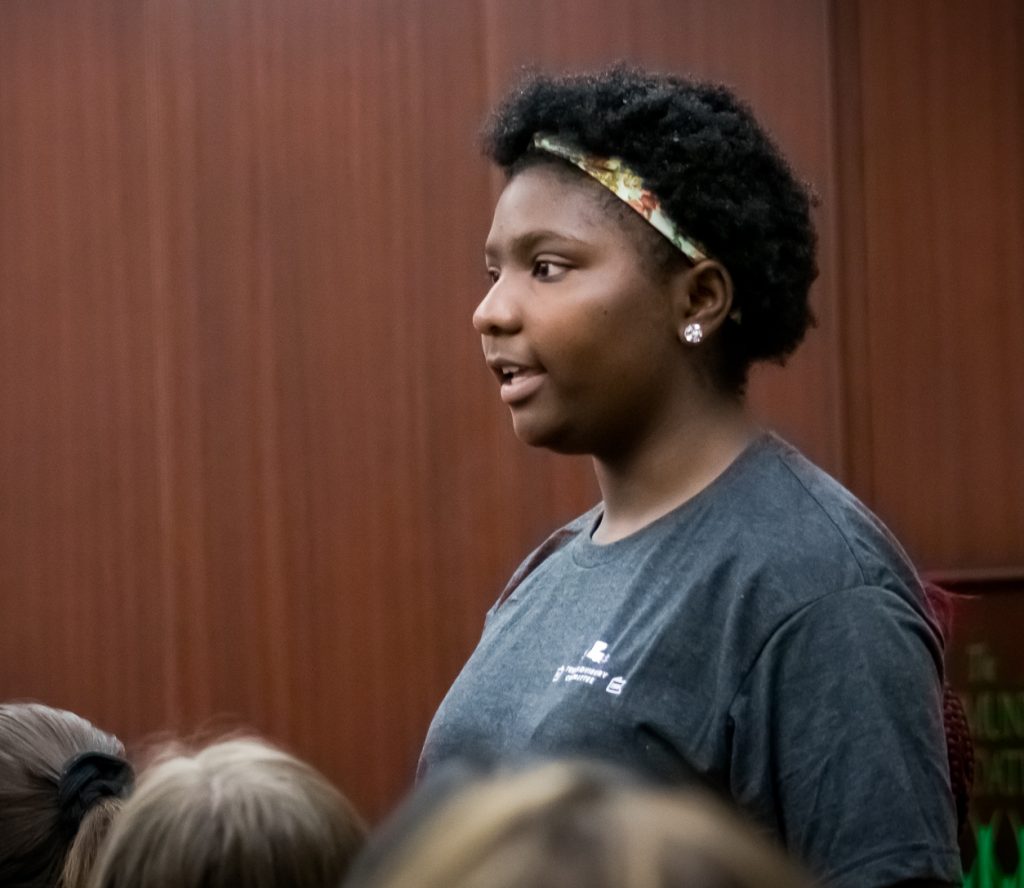 The Teen Advisory Committee was established by Step Forward, a member of the Cradle to Career Network. Training and funding for the committee were provided by International Youth Foundation’s LEAPS initiative as part of efforts to engage young people and communities in addressing youth challenges in rural Texas and northern Louisiana.
The post Teens take action in Louisiana appeared first on StriveTogether.
]]>The post Engaging the community: Progress and learnings from the Network appeared first on StriveTogether.
]]>But acknowledging the full value of the community to achieve racial equity continues to be an area where we know we can improve. To close persistent gaps and get better results for children of color, we must solve problems and find opportunities in partnership with youth and families.
Promoting community authority and racial equity were critical topics during a two-day event held by StrivePartnership under Executive Director Byron White’s leadership. The gathering was held in collaboration with the Kettering Foundation at its Kettering, Ohio, headquarters. Four members of the Cradle to Career Network were invited to discuss improving outcomes for urban youth. Here are four key insights that came out of the convening.
Equip families with the right resources. Our network member in Memphis, Tenn., Seeding Success, works with Memphis Lift to help students and families who have been zoned for low-performing schools. Students are in an inequitable education system, with too many young people graduating with a certificate of completion rather than a school diploma. Memphis Lift supports families to advocate for high-quality education for their children. The organization also provides resources so families can make the school placement choices that are right for their children.
Ensure community voice and expertise are heard. In Austin, Texas, 66% of jobs by 2020 will require some postsecondary credential, and young adults without one have only a 12% chance of earning a living wage within six years of high school graduation. With these statistics in mind, network member E3 Alliance hosted Deliberative Dialogues with students, parents and business leaders to explore the challenges they face, consider ideas for action and recognize existing assets in the community. By including the people most impacted in discussions, they heard about issues like college affordability and the perception that workforce certificates and two-year degrees are less valuable. E3 Alliance’s next steps are to convene a regional council to identify action steps to address challenges and maximize assets identified by community members.
Representation at the leadership table matters. In Tacoma, Wash., network member Graduate Tacoma’s goal is to impact more than 28,000 students, in a district that is made up predominantly of students of color and those impacted by poverty. To make true change, the individuals most affected by the challenges in the community must be at the table. This includes developing a diverse staff representative of the community and leveraging community authority to promote change. As an example, Tacoma barber Dominique Ervin has given books to kids who visit his shop and mentored young men of color. He now provides the Urban Barbershop Scholarship of $500 to students that can be used according to the recipients’ needs.
Shift from deficit framing to asset framing. StrivePartnership shared a story from the Roselawn Community Project. Residents in Roselawn surveyed their neighbors about community strengths to offset the deficit mentality prevalent in this work. Survey results identified seven projects to be led by residents, including projects to promote parent involvement and a sense of community. One key learning is that for the community to authentically lead, the work must slow down. We have to examine the composition of our leadership councils and action networks and ensure we have diverse representation at the table.
Throughout the conversation, several challenges emerged:
- Alignment: We must figure out how to promote dialogue between CEO-level leaders in communities to tear down silos and move everyone in the same direction to improve outcomes for children.
- Funding: Funders require grant reporting in a way that creates barriers to engaging with community organizations and highlight deficits instead of strengths. Some also focus on funding programs rather than systems change, which is the instrumental role that our network members play in their communities.
- Roles: Organizations often combine communication and community engagement as one position, but our network members recommend that these roles be separate, given the different natures of each function.
- Asset orientation: The focus on traditional performance outcomes distracts from other measures valued by community. How can leaders and practitioners shift to a more comprehensive assessment of communities without compromising their focus on results?
While challenges will continue to exist, I’m excited to see the progress being made by the Cradle to Career Network in leveraging community authority to advance racial equity. We are also working to bring you communication tools that you can use to better engage stakeholders. The communicators from across the Network are testing these tools so that they can be refined before we share them more broadly. Let us know how you are strengthening communication and engagement in your community by commenting below.
The post Engaging the community: Progress and learnings from the Network appeared first on StriveTogether.
]]>The post Transferring power to communities: Insights from Upswell 2018 appeared first on StriveTogether.
]]>Relationships are the anchor of progress. New York Times columnist David Brooks shared the power of individual connections in a talk that illuminated a path we can each take to real change. Our collective ability to make change is that each one of us is in relation to someone who doesn’t think exactly like we do. That individual relationship holds the potential to change a mindset. When mindset changes, behavior changes. And when behavior changes, our social fabric changes.
The relationships we form in community allow our work to become less divisive and more empathetic. Through these connections, we can determine how to arrive at decisions that are made with deep thought and consideration from all sides.
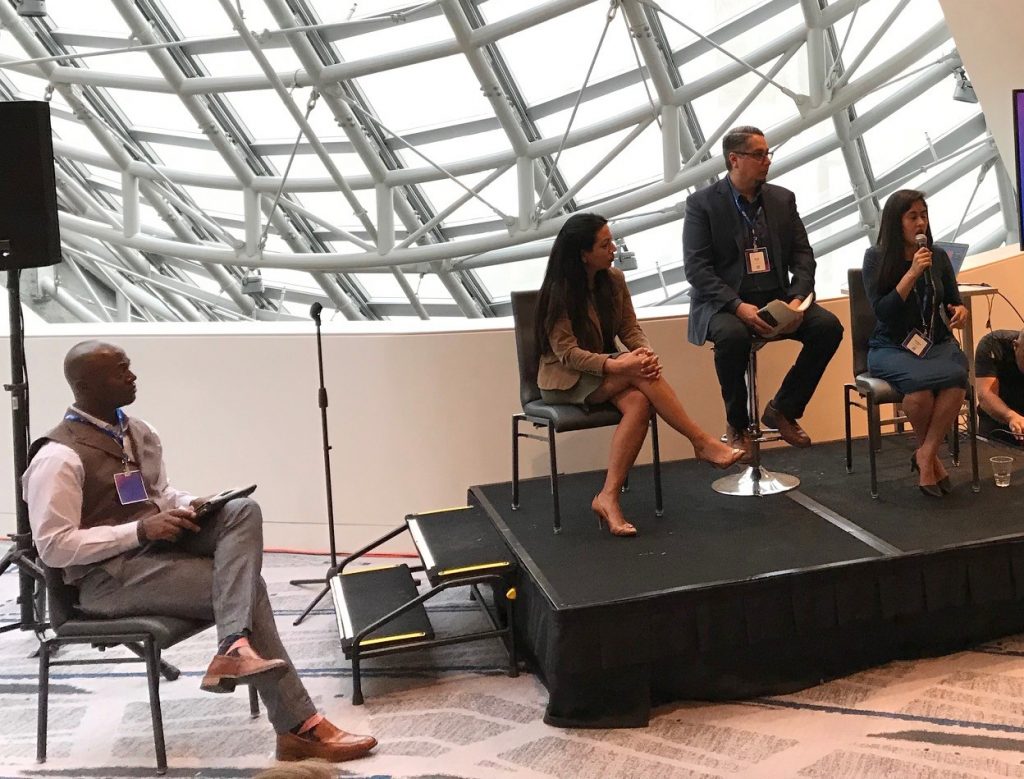 Community power manifests itself in different ways — meaning there’s more than one place to start. In a focus group called “Beyond Transforming Systems to Transferring Power,” I asked participants to share what it means to authentically engage the community. What does it look like when power is held by the community? Through our conversation, participants shared measures that can show when a community has come into its own power. Here are some of their ideas:
- When a community has power, it controls its own narrative. The community is viewed from an asset-based frame, not a deficit-based one.
- When a community has power, it’s reflected in physical presence of decisions being made. Community members have a seat at the table.
- When a community has power, community members are helping to direct where resources go, including philanthropic dollars.
- When a community has power, the people being served in community feel comfortable in the spaces they’re receiving support. For example, when families come to pick their children up from a homework center, family members linger to interact with staff members. The space becomes less transactional and more relational because of the relationships built and respect and value shared.
- When a community has power, community members are at the table for the co-design of processes and strategies, from initial stages through the policy process. Too often we involve community at the program level but leave behind their input at the policy stage. Rather than claiming to speak as a proxy for the community, we need to support community members to speak directly to decision making.
We shift power to communities because it makes sense — and it’s the right thing to do. In our conversations, I gathered ideas from attendees around a simple question with complicated answers: Why does this matter?
Participants shared how shifting power to communities has an economic advantage. If everyone has the opportunity to achieve economically, our communities and country become more stable. People are less dependent on the resources of the government, so those resources can be used in more sustainable ways. Results become more sustainable as well when communities own their agency in determining outcomes. If community members hold the power to determine what outcomes are, the community feels more ownership over the work — and ownership over continuing the work if resources end. Transferring power to communities also contributes to safety. A lack of opportunity or resources, leading to feelings of disenfranchisement, can create the attitudes and behaviors that may lead to unsafe communities.
But in addition to these value propositions and more, we work to shift power to communities for more than economic interests or fewer crimes. We do this work because of the moral of justice: It’s simply moral and just to include communities and ensure they have power over impacting their own outcomes. I look forward to hearing and lifting up examples from across the StriveTogether Cradle to Career Network of communities and community members owning their agency, from programs to policy, and using their power to improve the outcomes that are most important to them.
The post Transferring power to communities: Insights from Upswell 2018 appeared first on StriveTogether.
]]>The post Becoming unstoppable: Committing to the power of community authority appeared first on StriveTogether.
]]>The story of StriveTogether began on a bridge.
In August 2006, leaders from three communities met in the middle of the Newport South Bank Bridge, known locally as the Purple People Bridge, which spans the Ohio River between Cincinnati, Ohio, and northern Kentucky.
I was there as the event kicked off a regional partnership to improve outcomes for kids. It was amazing to see so many different people — school district leaders and college presidents, foundation and nonprofit executive directors, corporate CEOs and elected officials — come together. After that symbolic launch, we quickly got to work on an approach that would eventually become known as collective impact. Using this approach, we organized everyone around a common vision, focused on community assets instead of deficits and used data as a tool for collaboration.
That cross-sector effort still exists today and is known as StrivePartnership. And StriveTogether, started by several of the original leaders, including myself, now supports 70 communities across the country with the mission of helping 10.5 million kids succeed.
Over the years, we’ve revised and evolved our approach, distinguishing our own brand of quality collective impact. We’ve done this a few times based on lessons from partnerships in the StriveTogether Cradle to Career Network. So many systems impact young people from cradle to career, and our job is to make them all work better together. That’s why our new strategic plan has the goal of helping 24 communities strengthen and align the multitude of systems — like education, health care, housing and transportation — that shape opportunity for kids in America.
To close persistent gaps and get truly better results for kids, we recognize the critical role of community engagement in achieving equity. We’ve always known its importance. After all, it’s the first guiding principle in the StriveTogether Theory of Action, the framework for our approach. But acknowledging the full value of the community has taken us longer than I sometimes like to admit.
Here are three key insights for moving this work forward.
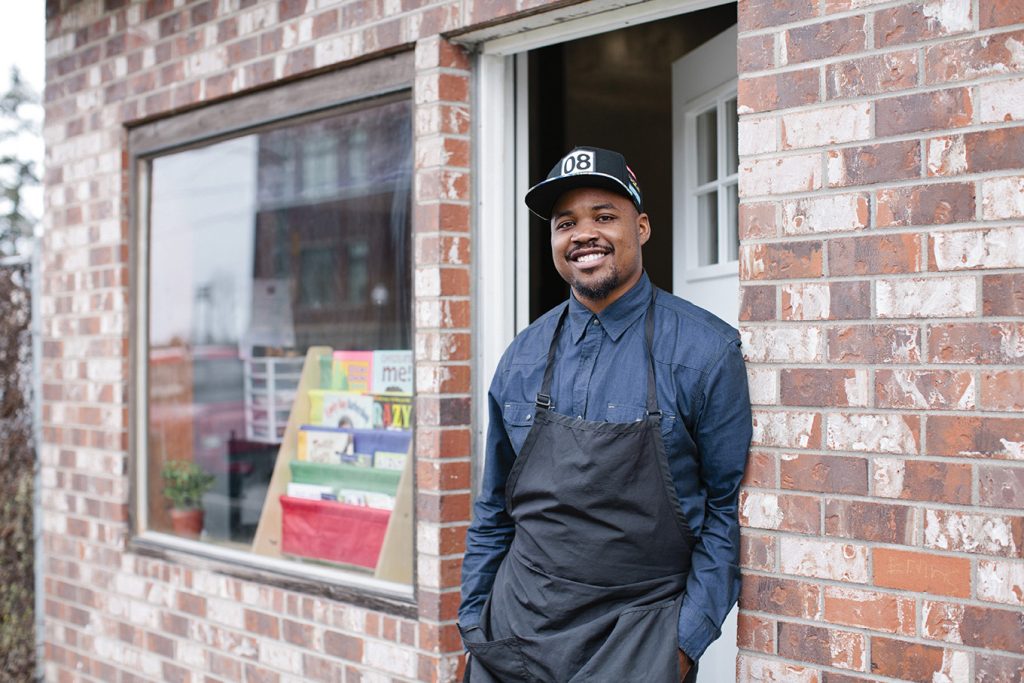
Dominique Ervin of Ervin’s Barbershop is one of 13 Tacoma, Wash., barbers participating in Graduate Tacoma’s Early Learning and Reading Network. The Books to Barbershops program taps into business-to-community connections by getting books into the hands of young boys of color.
Set community authority as an ongoing priority. At StriveTogether, we have emphasized equity and community voice by updating our Theory of Action and by making funding dependent on these goals through our Cradle to Career Community Challenge initiative. Across the Cradle to Career Network, partnerships are finding ways to activate community authority. Seeding Success, our Network member in Memphis and Shelby County, Tenn., has gone from sharing data findings with the community to helping other organizations collect and analyze data to make better decisions. Through these efforts, a Seeding Success partner reduced chronic absence rates at 15 schools by 27 percent.
Become an expert — at not always being the expert. In 2016, Cincinnati voters approved spending $15 million on quality preschool for 6,000 kids. This followed a campaign supported by StrivePartnership but led by community members including education advocates, preschool providers and faith leaders. Cradle to Career Network members also tap into community expertise by adding staff positions and diverse leadership. The Road Map Project, in South Seattle and South King County, Wash., replaced its advisory board with a leadership team that better represents students and parents in the area. Youth and community leaders now work alongside institutional leaders from the original group to advance racial equity.
Make room for the power of authentic community. In Bellevue, Wash., Cradle to Career Network member Eastside Pathways supported a project to train Hispanic community members as liaisons between families and local organizations. This initiative filled such a vital need that an organization formed to keep it going. In countless communities, grassroots groups — many with smaller budgets and people of color in charge — are fighting for racial equity and upward mobility. We have a lot to learn from the lived experience of these community pillars. As we continue seeking their expertise, we also must recognize and champion the power of the community in deciding their own destinies.
At our 2018 Cradle to Career Network Convening, partnerships across the country shared examples of how they are centering the voices of parents and students in their work. It’s been a month since our event and I’m still reflecting on how we can build on this momentum in our quest to end inequity and injustice.
A truly shared community vision — another hallmark of the StriveTogether approach — means shared power with those closest to the problems we’re trying to solve. Our commitment to the power of community authority must be backed by our actions every day. As spoken word poet Christian Paige said during a performance at our 2018 convening, a fully united community — with all voices valued — is unstoppable.
To read the full article that appeared in the Stanford Social Innovation Review, co-authored with StrivePartnership, click here.
The post Becoming unstoppable: Committing to the power of community authority appeared first on StriveTogether.
]]>The post Making mountains moveable: Igniting the community to create real change appeared first on StriveTogether.
]]>Lights in a collective too bright to be dimmed
We didn’t love our communities because they were beautiful.
Our communities are beautiful because we loved them.
— from Christian Paige’s “Trees”
As spoken word poet Christian Paige shared in a performance that kicked off the opening plenary, a community that is fully united, with all voices valued, is a community that is unstoppable.
Engaging the community — the first guiding principle of our Theory of Action — was the focus of our opening plenary at the 2018 StriveTogether Cradle to Career Network Convening. This morning at our ninth annual event, we heard from six communities that shared their paths in this movement: to raise up community voices, including voices of youth, to influence decision making and shape the directions of their communities.
How often do we make the mistake of doing this work for or to the community, rather than with the community? For far too long, girls and boys across our country, particularly those of color, have been just numbers, their voices unheard and their thoughts and ideas discounted because they are perceived to be too young. And for far too long, their parents have often been ignored because they are assumed not to care, and community members’ ideas have been undervalued if they don’t have the right degree or title.
Community engagement has always been a part of our Theory of Action, but it’s an area in which we have a lot of room to grow. Authentically engaging the opportunity youth who left high school at age 16 is harder and takes more time than engaging the CEO of the local United Way. Although this may be an area for growth, partnerships across the country have added seats to the table. They are ensuring community, family and student voice and action is central to their work to ensure every child is successful, from cradle to career.
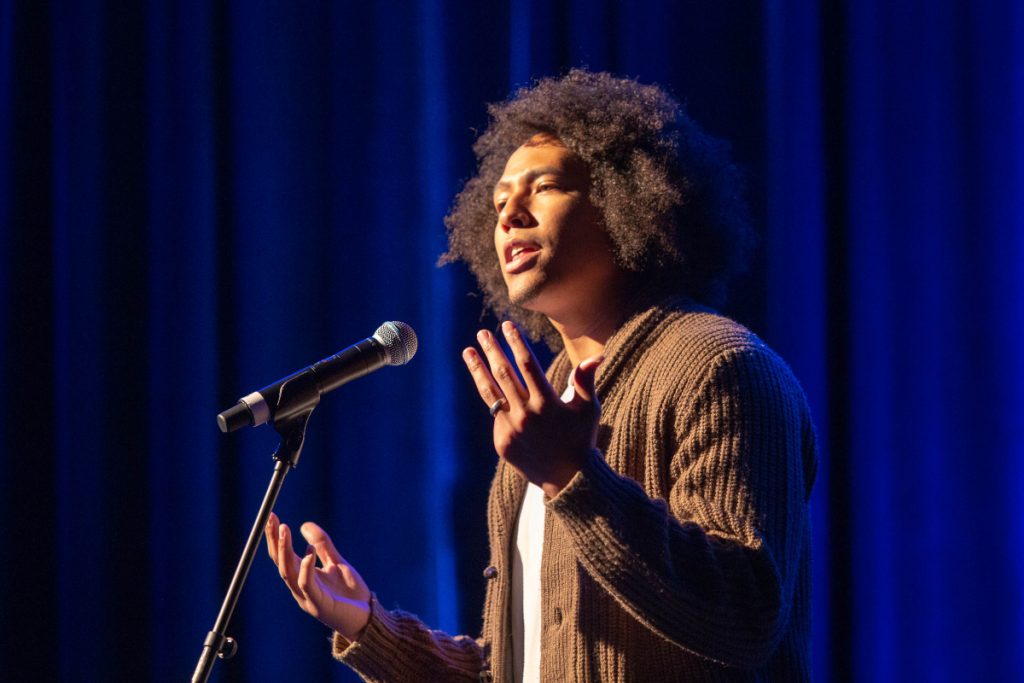 I was moved by the personal stories and reflections of the youth and Cradle to Career Network members on stage with me this morning. In San Antonio, Texas, the youth commission informs local government strategies to tackle issues ranging from transportation to safety. “I look to the future, and I look to be the one to create these changes. I can’t sit back and expect someone to do it for me,” said Majd Aljadaa, a first-year student at the University of Texas at Austin and a member of the San Antonio Youth Commission.
Majd was joined on stage by Abby Nash, deputy director of P16Plus Council of Greater Bexar County. Abby shared what she heard from a youth leader in her community, quoting, “I don’t need to be empowered; I have power. I just need a space to use it.”
In Tacoma, Wash., that space looks different from what you might expect. It’s not an after-school program or a classroom. At his barbershop, Dominique Ervin plays a unique role in supporting the success of every child in his community. He participates in Graduate Tacoma’s Books to Barbershops program and is tuned into the dreams of local youth, helping them turn those dreams into life paths. “Once I became a barber, I began to see the youngsters in my community not given the opportunities to be what they wanted to be. So I partnered with Graduate Tacoma to give them those opportunities,” Dominique said.
 “So often we forget that the community is right across the street from us at the local barbershop,” said Tafona Ervin, executive director of Graduate Tacoma. “We need to think beyond our table, get out in the community and think about how we’re going to engage authentically.”
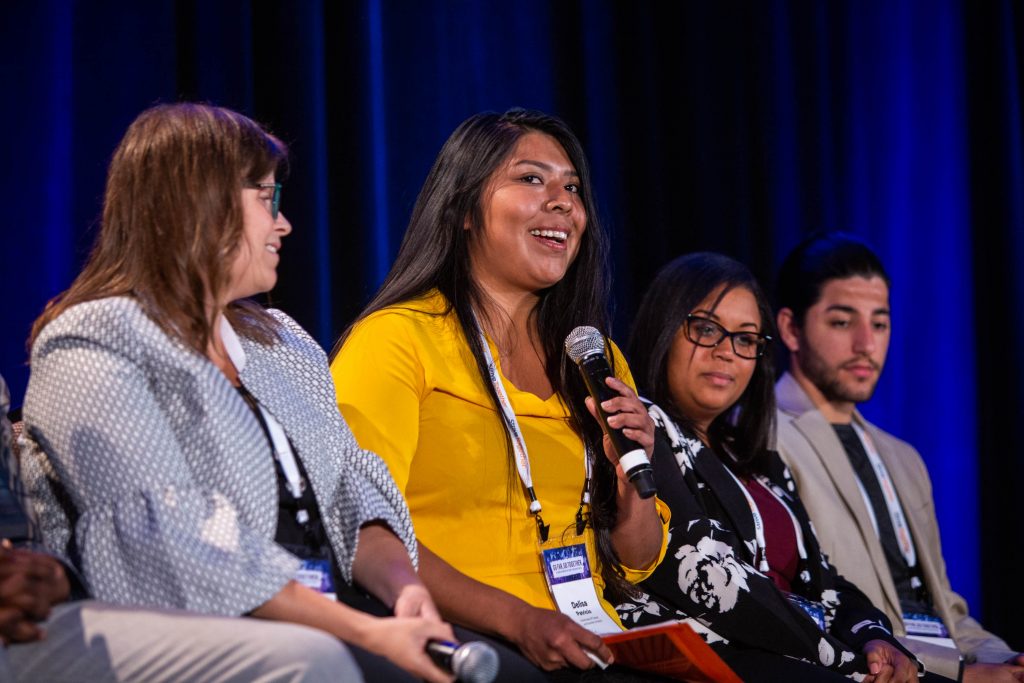
True connections come most naturally from peers, and Delisa Patricio, a United Youth Leadership Council administrative member in Pima County, Arizona, is using these relationships to create a better future for other young people. “I advocate for youth in my community who are disengaged from resources that I was once unaware of myself. And I want to change that,” Delisa said.
Delisa’s work is supported by Ashley Janicki, Opportunity Youth Change Network facilitator at Cradle to Career Pima County. She says that creating opportunities for community members to lead and share their voices often isn’t enough. Efforts need to be accessible and intentional. “It’s not just who’s at the table, but what does the seat look like? Is it inviting, is it welcoming, and are you building the relationships necessary to have that authentic engagement?” Ashley said.
In addition to Pima County, Bexar County and Tacoma, we highlighted three other communities this morning through a video featuring their work. We saw how 97 youth representatives are contributing to decision making in Northfield, Minn. (Northfield Promise); how Promotores are providing resources to and gathering information from their fellow Hispanic community members in Bellevue, Wash. (Eastside Pathways); and how girls are being trained as qualified researchers to collect data on community needs in Adams County, Colorado (Youth Initiative of Adams County).
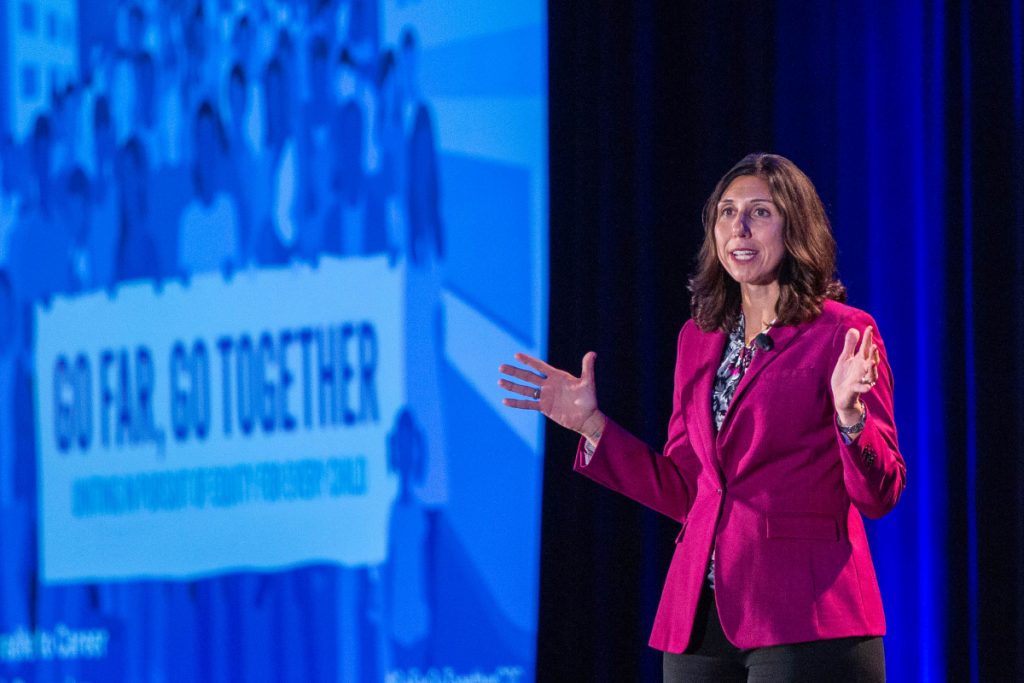 In these communities and others across the country, voices are being uplifted — but so much more work needs to be done. That’s why we revised the Theory of Action, the guiding framework for our work, to place more emphasis on equity and community engagement. The leadership and voice of community members, particularly young people, are critical to ensuring that strategies and decisions are built around what’s best for a community’s future. The efforts we saw today are just the beginning. Changing systems to empower youth and families will take time, and a sustained, collective effort.
So don’t call us anything that starts with a deficit
Call us scholars
Call us leaders
Call us Change
Call us trees
And discover what happens when you decide to water a seed.
— from Christian Paige’s “Trees”
Watch our community engagement plenary here.
The post Making mountains moveable: Igniting the community to create real change appeared first on StriveTogether.
]]>The post Where are they now? StriveTogether catches up with past Bill Henningsgaard Cradle to Career Champion Award winners appeared first on StriveTogether.
]]>A tireless advocate for kids, Bill Henningsgaard brought together partners with a common vision for helping every child in his community succeed through Eastside Pathways, a cradle-to-career partnership in Bellevue, Washington. Eastside Pathways was one of the first members of the Cradle to Career Network and Bill was known for being a consistent voice, thoughtful contributor and critical friend from the beginning.
StriveTogether established this award to honor his legacy after he and his son, Max, died in an airplane accident in 2013. The award is given to an individual involved in a Cradle to Career Network community who embodies the passion, commitment and persistence modeled by Bill every day in his local work and in the broader collective impact field.
Mary Jean Ryan, the Road Map Project’s executive director, says the example set by Bill remains a daily inspiration. She received the award in 2013.

Mary Jean Ryan
“I realize how lucky I am to be able to do the work I do and contribute to my community,” Mary Jean said. “Bill was a very generous person — a great giver. His death was untimely and particularly tragic — in part because he had so much more to give. It is our giving that defines our lives. If I start to feel a little tired or worn down by the endless pushing against the status quo, I think of Bill and summon renewed energy for our collective crusade for a better future for children.”
In honor of the fifth year — and fifth recognized champion in this work — we wanted to reintroduce you to our past winners and share their stories as they work tirelessly to improve outcomes for every child, cradle to career.
Dan Ryan, 2014 Champion Award winner and All Hands Raised CEO
What accomplishment have you seen in your community that you are most proud of since receiving the Cradle to Career Champion award?
As a community, we have focused more closely on reducing the disparities that exist in suspensions and expulsions across the county, and over the course of the past five years have made progress on improving the systems that impact our students — our partner districts all have adopted equity policies and discipline incidents were reduced. Over the last year, we have focused at the school community site level to find those practices that most directly correlate with increased engagement and a subsequent decrease in referrals. And, the practices look promising: at one partner school, behavior referrals are down 46 percent as a result of this work, and at another partner school, referrals for boys of color are down 46 percent compared to last year.
Dan Ryan (left)
How do you embody the mantra “be the change” to achieve results for kids in your community?
All Hands Raised staff members walk the talk: as a group we are adaptive, agile and culturally responsive. This is necessary to deliver over $1.5 million in pro bono services to our seven partner school districts and engaged community partners. The integration of Results Count into the work allows us to be confident in the “be the change” stance.
Why do you believe it is important to recognize champions for change in this work?
It is critical to share the work. All Hands Raised has the gift of partnering with school and community organizations to tell stories — stories of impact, stories of lessons learned and stories of hope — that reveal champions who deserve recognition and are often unseen. It is an honor and a responsibility to serve this role in the community.
If you had to share a few words of wisdom for folks working to change systems to eliminate disparities and improve outcomes for every child, what would they be?
Be confident and calm to hold the space for uncomfortable dialogue. Keep kids at the center of everything you do, especially this. Allow the data to frame the dialogue, yet allow the personal stories to build the trust that will actually change the systems. Listen, listen and then listen some more.
Greg Landsman, 2015 Champion Award winner, The 767 Group CEO and former StrivePartnership executive director
What accomplishment have you seen in your community that you are most proud of since receiving the Cradle to Career Champion award?
In November 2016, we passed the Cincinnati Preschool Promise, one of the largest expansions in quality preschool in the country. This effort, which will provide two years of quality preschool for Cincinnati’s children, was part of a larger effort to provide much needed funding for our schools as well. Voters approved the measure with the largest margin of victory of any education levy in Cincinnati’s history. This was a major “cradle-to-career” policy change.
StrivePartnership is also very close to securing Ohio’s first ever Pay for Success investment as part of our early literacy venture philanthropy fund, Every Child Capital.
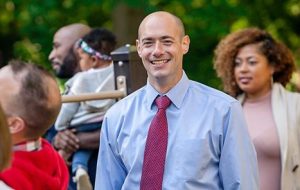
Greg Landsman
How do you embody the mantra “be the change” to achieve results for kids in your community?
I helped to lead the Cincinnati Preschool Promise and Every Child Capital, both of which provide systemic change on behalf of children, particularly those who have been left out and behind.
Why do you believe it is important to recognize champions for change in this work?
To inspire others to appreciate the enormous power they too have in leading change.
If you had to share a few words of wisdom for folks working to change systems to eliminate disparities and improve outcomes for every child, what would they be?
Have big ideas and the perseverance to get them done, no matter the obstacles.
Scott and Anne Jones, 2016 Champion Award winners and Every Hand Joined supporters
What accomplishment have you seen in your community that you are most proud of since receiving the Cradle to Career Champion award?
Every Hand Joined’s data manager has now been on staff for a year. There is a marked difference in the work of our networks (action teams) and in the analysis of their decision-making by having access to a deeper level of data. One example is that data collected from kindergarten readiness instrument demonstrated the importance of preschool, regular attendance and going for two years. Another example: The Math Network is reevaluating the delivery of its early numeracy kits to all families of kids in preschool based on data that pointed to the need to rethink how to train parents in using the kits. Also, the Every Hand Joined Network is working on social/emotional development and it has captured the attention of the middle school principals, counselors and teachers. They now implement a Search Institute survey called REACH and build strategies for linking kids to after-school programs and mentors based on the kids’ “Spark.”

Anne Jones

Scott Jones
How do you embody the mantra “be the change” to achieve results for kids in your community?
Strong partnerships with the co-leaders of our networks. Each network has an Every Hand Joined facilitator and two leaders — one from the school district and one from community. Together they represent different perspectives and can impact others.
Data presented in a user-friendly manner is more convincing than assumptions and helps get the attention of the non-believers.
Every Hand Joined is doing a more effective job of communicating its successes as a result of working with partners throughout the community. More people are open to ideas if they understand the impact — ideas that show measurable progress rather than mandating change.
Why do you believe it is important to recognize champions for change in this work?
It is particularly helpful if the champions represent diversity in your community. Smaller communities need to know “everyone” can be a champion. Too often it is the same people who get recognized.
If you had to share a few words of wisdom for folks working to change systems to eliminate disparities and improve outcomes for every child, what would they be?
As frustrating as it is when it seems that everyone is on a different page and holding to what worked for them, be patient. The only changes that stick are those that are supported by a broad base of people who will be affected by the change.
Know someone at or involved with your local cradle-to-career partnership who displays exceptional leadership, vision and commitment to ensuring that every child is supported in his or her educational journey, from cradle to career? Visit the Partner Portal now to learn more about the nomination criteria before the August 18 deadline. This year’s award recipient will receive a professional development stipend and will be recognized during a special presentation at the 2017 Cradle to Career Network Convening October 3-5 in Phoenix, Arizona.
The post Where are they now? StriveTogether catches up with past Bill Henningsgaard Cradle to Career Champion Award winners appeared first on StriveTogether.
]]>